
Complex Regional Pain Syndrome (CRPS) is one of the most debilitating chronic pain conditions known to modern medicine, causing severe and persistent pain that is often disproportionate to the initial injury. Traditional treatments for CRPS, including medications, nerve blocks, and physical therapy, frequently provide only partial relief and fail to address the underlying neuroimmune dysfunction driving the disease. Stem cell therapy is emerging as a promising treatment option for CRPS, offering the potential to target the root causes of this condition rather than simply masking symptoms. By harnessing the regenerative and immunomodulatory properties of mesenchymal stem cells (MSCs), The Regeneration Center aims to reduce neuroinflammation, promote nerve regeneration, and restore function for patients living with CRPS and reflex sympathetic dystrophy (RSD)[1].
Understanding Complex Regional Pain Syndrome (CRPS)
Complex Regional Pain Syndrome is a chronic neurological condition that typically develops after an injury, surgery, stroke, or heart attack. The hallmark of CRPS is intense, burning pain that far exceeds what would normally be expected from the triggering event. CRPS most commonly affects the arms, legs, hands, or feet and can spread to other areas of the body if left untreated. The condition was formerly known as Reflex Sympathetic Dystrophy (RSD) and causalgia, but these terms have been consolidated under the CRPS classification to better reflect our current understanding of the disease’s complex pathophysiology.
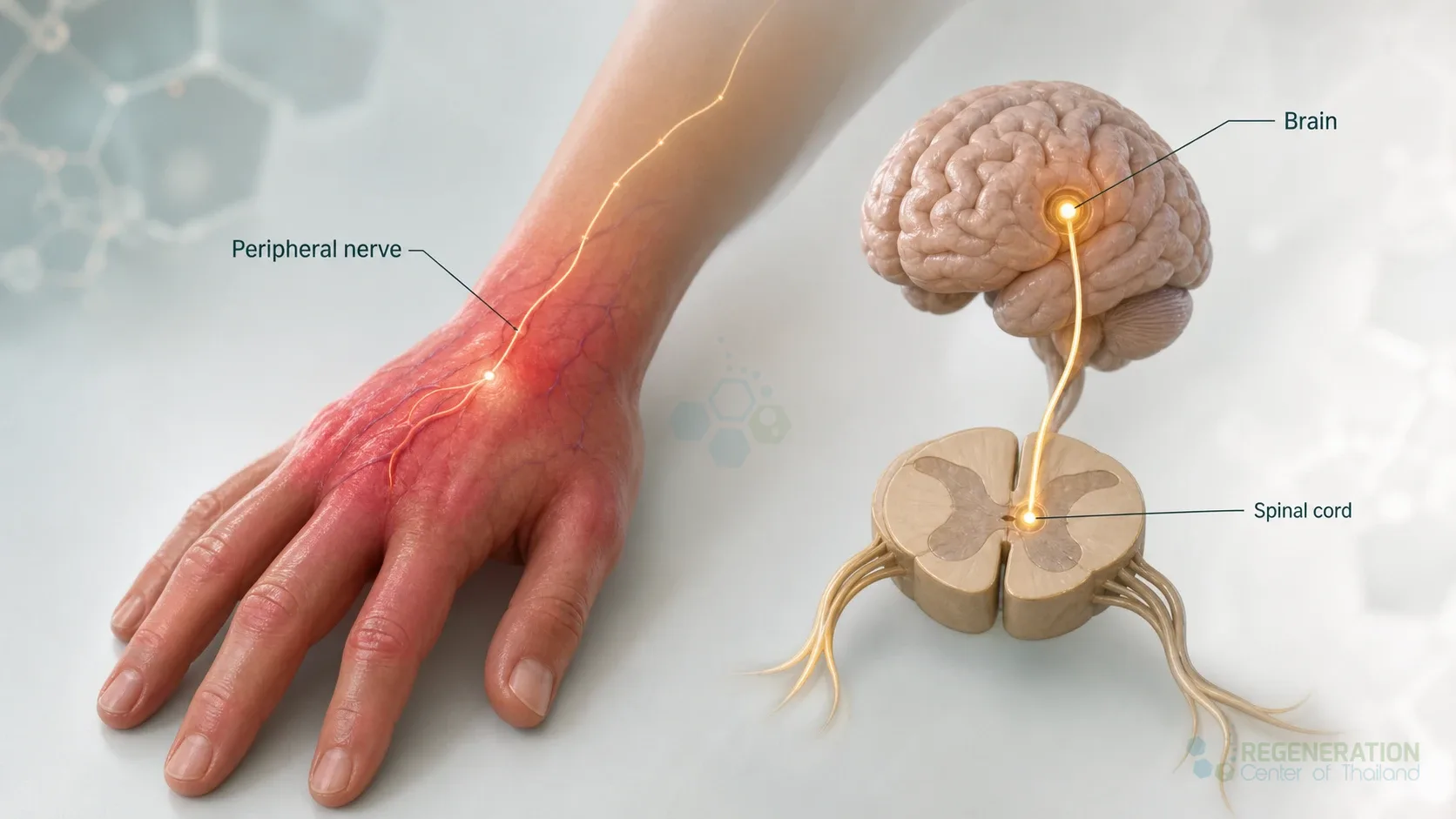
CRPS affects approximately 5.46 cases per 100,000 people annually, with women being affected more frequently than men. The condition can occur at any age, but is most common in individuals between 40 and 70 years old. Without early intervention, CRPS can become a lifelong condition that severely limits mobility, daily functioning, and overall quality of life. Understanding the underlying mechanisms and available treatment options is essential for patients seeking effective relief from this challenging condition.
Types and Causes of CRPS
There are two recognized types of Complex Regional Pain Syndrome, each distinguished by the presence or absence of confirmed nerve damage. Both types share similar symptoms and treatment approaches, but accurate classification helps guide the therapeutic strategy at The Regeneration Center.
CRPS Type I (formerly Reflex Sympathetic Dystrophy) accounts for approximately 90% of all CRPS cases. It develops after an illness or injury that did not directly damage the peripheral nerves in the affected limb. Common triggers include burst fractures, sprains, sports injuries, surgical procedures, and even minor traumas such as needle sticks. Despite the absence of identifiable nerve damage, patients with Type I experience the full spectrum of CRPS symptoms, including severe pain, swelling, and autonomic dysfunction.
CRPS Type II (formerly causalgia) is associated with confirmed damage to a specific peripheral nerve. This type can develop following injuries such as femoral or sciatic nerve injury or other forms of peripheral neuropathy. While the underlying nerve damage can be objectively verified through diagnostic testing, the resulting pain and dysfunction in CRPS Type II are similarly disproportionate to what would be expected from the nerve injury alone [2].
The exact cause of CRPS remains under active investigation, but current research points to a complex interplay of neuroimmune dysregulation, neuroinflammation, and autonomic nervous system dysfunction. Studies have identified an autoimmune component to the disease, with elevated levels of pro-inflammatory cytokines such as TNF-α, IL-1β, and IL-17 in affected tissues. This chronic inflammatory state disrupts normal pain signaling pathways and contributes to the central sensitization that characterizes CRPS.
Symptoms and Progression of CRPS
The symptoms of Complex Regional Pain Syndrome can vary significantly between patients, but several core features are consistently present. Recognizing these symptoms early is critical, as prompt treatment dramatically improves outcomes. The Regeneration Center evaluates each patient’s symptom profile to develop a personalized stem cell treatment protocol.
The primary symptoms and warning signs of CRPS include:
- Intense, continuous burning or throbbing pain in the affected limb that is disproportionate to the initial injury
- Extreme sensitivity to touch and cold (allodynia and hyperalgesia)
- Swelling and stiffness in affected joints
- Changes in skin temperature, color, and texture in the affected area
- Abnormal sweating patterns and changes in nail and hair growth
- Muscle spasms, tremors, weakness, and progressive muscle atrophy (loss of muscle mass)
- Decreased ability to move the affected body part and reduced range of motion
- Emotional distress, including anxiety and depression, related to chronic pain
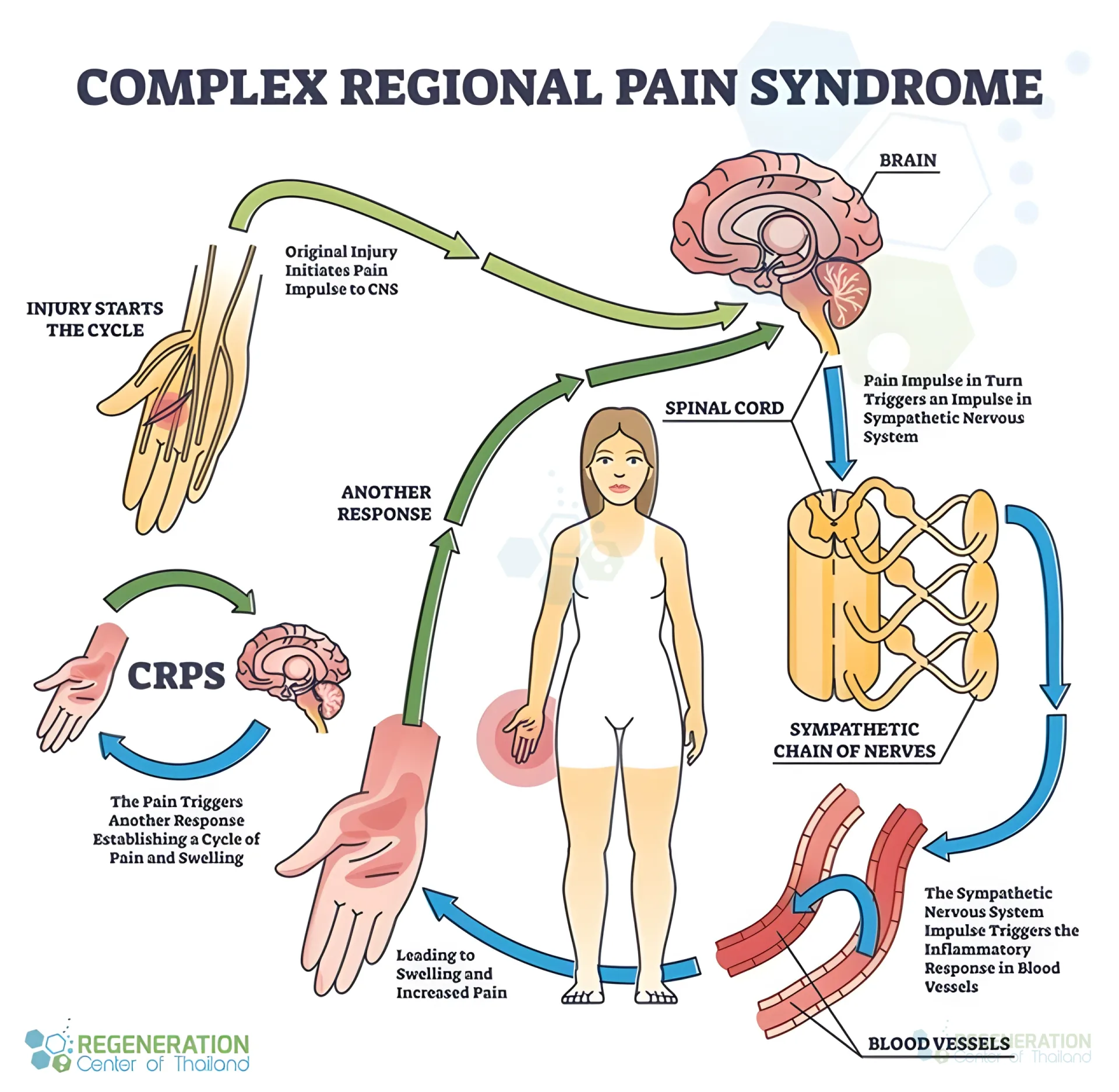
CRPS typically progresses through three overlapping stages, though not all patients follow this exact pattern. In the early acute stage (lasting weeks to months), patients experience intense burning pain, swelling, redness, and increased skin warmth. During the dystrophic stage (months 3-6), pain may intensify and spread, while the skin becomes cool and pale, and nails become brittle. In the atrophic stage, the affected limb may experience irreversible changes, including severe muscle wasting, joint contractures, and loss of bone density. Early stem cell intervention at The Regeneration Center aims to halt this progression before permanent tissue damage occurs.
Traditional CRPS Treatments and Limitations
Traditional treatment approaches for Complex Regional Pain Syndrome rely on a multidisciplinary combination of physical therapy, medication management, and interventional procedures. While these methods can provide partial symptom relief, they often fail to address the underlying neuroimmune dysfunction that drives the disease. Understanding the limitations of conventional treatments helps explain why many patients seek advanced alternatives such as stem cell therapy.
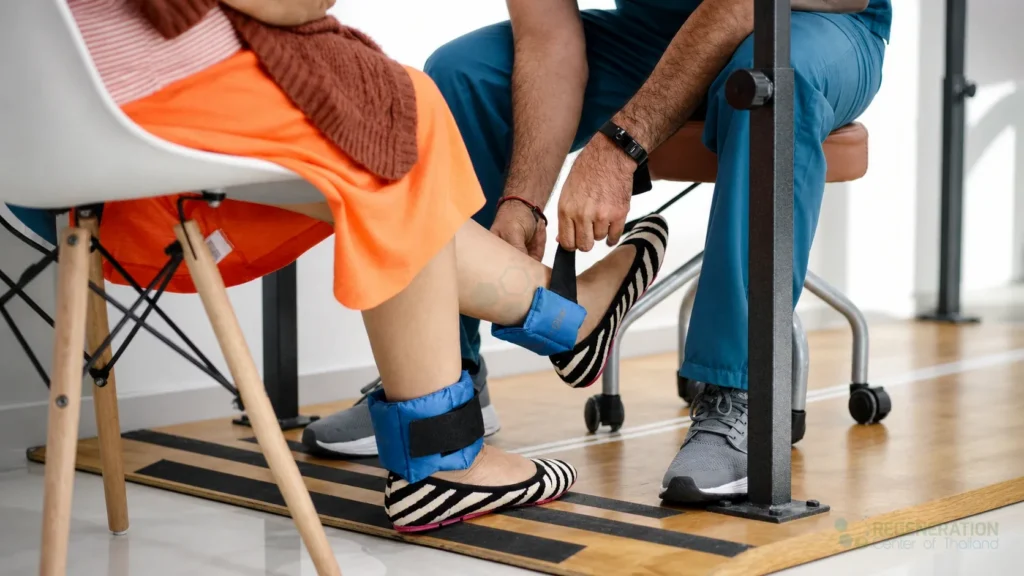
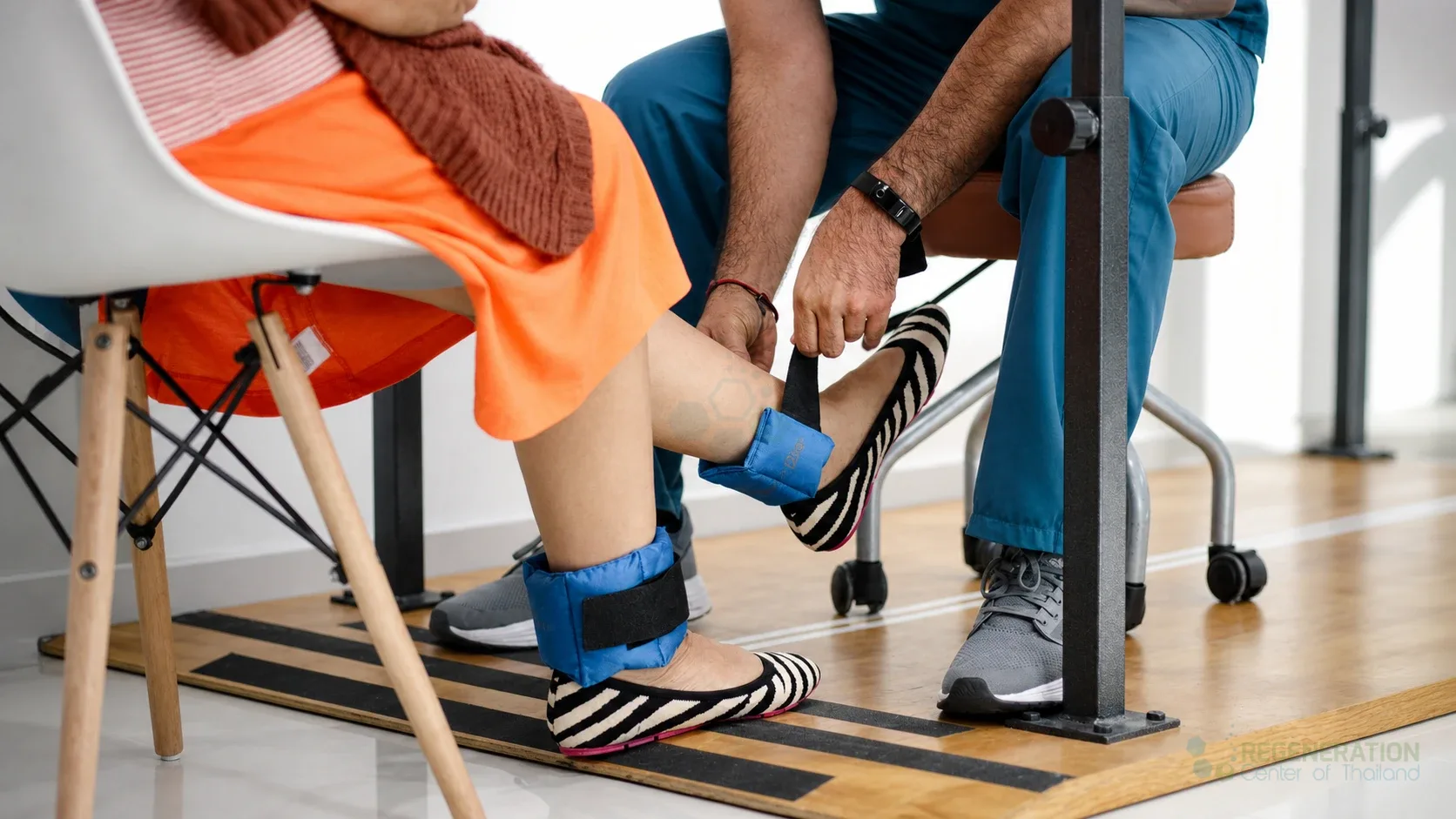
Physical and occupational therapy represent the foundation of CRPS management and are most effective when initiated early, ideally within the first year of symptom onset. These therapies focus on improving the range of motion, strengthening weakened muscles, and desensitizing the affected limb. However, the severe pain associated with CRPS can make physical therapy extremely difficult to tolerate, limiting its effectiveness for many patients with spinal cord and nerve-related conditions[3].
Pharmacological approaches for CRPS include corticosteroids, bisphosphonates, anticonvulsants, antidepressants, and topical medications. Corticosteroids can provide moderate short-term pain reduction during acute flare-ups, but symptoms typically return after discontinuation. Long-term opioid therapy lasting more than six months is not supported by current clinical evidence for CRPS management. These medications address symptoms but do not target the root cause of the disease.
Interventional procedures such as sympathetic nerve blocks, spinal cord stimulation, and intrathecal drug delivery systems may offer temporary relief for some patients. However, these approaches carry procedural risks, require ongoing maintenance, and provide variable results. The fundamental limitation shared by all traditional CRPS treatments is that none have been shown to modify the underlying disease process or promote genuine tissue repair and nerve regeneration.
Stem Cell Therapy for Complex Regional Pain Syndrome
Stem cell therapy for CRPS represents a paradigm shift in how we approach this devastating condition. Unlike traditional treatments that focus on symptom management, mesenchymal stem cell (MSC) therapy targets the neuroimmune dysregulation at the core of CRPS. The Regeneration Center has developed a comprehensive protocol that uses isolated and expanded UC-MSC+ cells, combined with neural cell-specific growth factors, to address the multiple pathological mechanisms driving Complex Regional Pain Syndrome.
At The Regeneration Center, our stem cell treatment protocol for CRPS utilizes multiple delivery methods, including intravenous infusion, intrathecal injection, and targeted local delivery to the affected areas. The specific treatment approach is tailored to each patient’s condition, symptom distribution, and severity. Our medical team evaluates diagnostic imaging, nerve conduction studies, and comprehensive medical history to develop the most effective treatment plan for each individual case.
How Mesenchymal Stem Cells Target CRPS
Mesenchymal stem cells address Complex Regional Pain Syndrome through several complementary mechanisms that work together to modulate the immune system, reduce neuroinflammation, and promote nerve tissue repair. These interconnected pathways make MSC therapy particularly well-suited for treating CRPS, which involves dysfunction across multiple biological systems simultaneously[4].
Immunomodulation and Autoimmune Regulation: Research has identified an autoimmune component to CRPS, with the immune system attacking healthy nerve tissue and perpetuating chronic pain signaling. MSCs regulate this autoimmune response through direct cell-to-cell communication and the secretion of regulatory substances that modulate immune system function. Specifically, MSCs reduce the production of pro-inflammatory cytokines (TNF-α, IL-1β, IL-17) while promoting anti-inflammatory signaling pathways. This helps restore the balance between immune activation and immune regulation that is disrupted in CRPS patients.
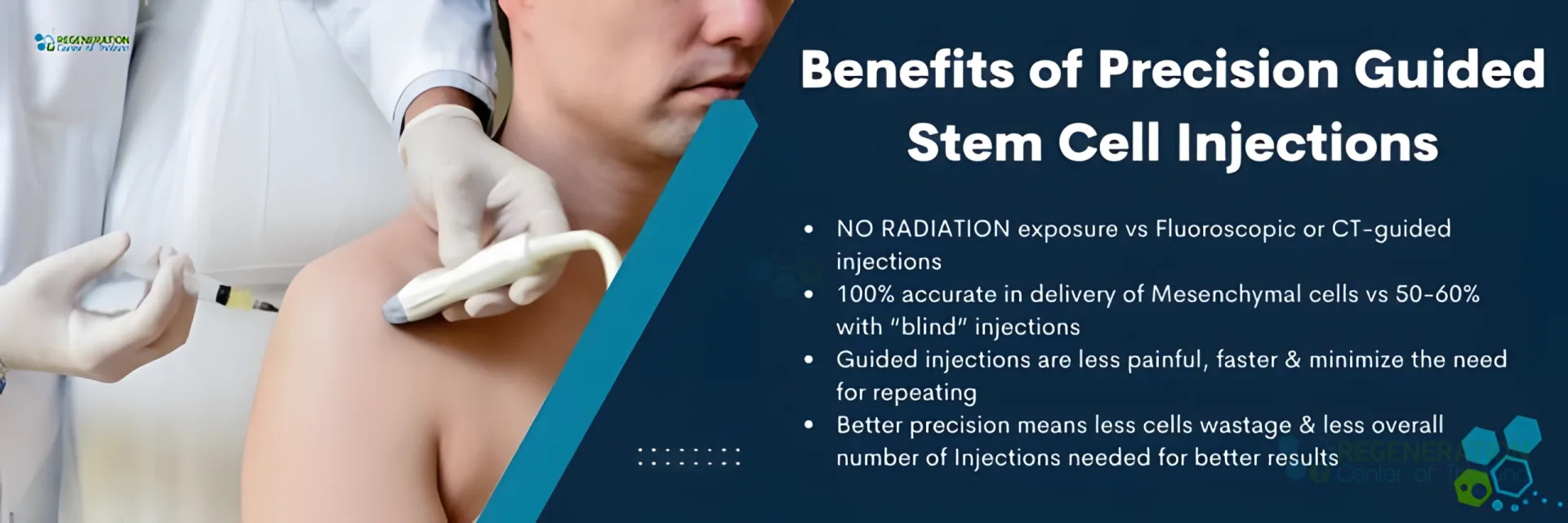
Anti-inflammatory Properties: Chronic neuroinflammation is a central driver of CRPS symptoms, contributing to pain sensitization, tissue damage, and disease progression. When MSCs enter an inflammatory environment, they secrete potent anti-inflammatory molecules, including transforming growth factor β1 (TGF-β1), indoleamine 2,3-dioxygenase (IDO), and prostaglandin E2 (PGE2). Additionally, MSCs release exosomes and microvesicles that convert pro-inflammatory M1 macrophages and microglia into anti-inflammatory M2 phenotypes, effectively shifting the tissue environment from a destructive inflammatory state to a healing, regenerative state.
Nerve Regeneration and Neuroprotection: Damaged and dysfunctional nerve tissue lies at the heart of CRPS pathology. UC-MSCs promote injured nerve regeneration by supporting axon regrowth and remyelination of damaged nerve fibers. The cells secrete neurotrophic factors, including nerve growth factor (NGF), brain-derived neurotrophic factor (BDNF), and glial cell-derived neurotrophic factor (GDNF), which provide direct neuroprotection and stimulate the repair of damaged neural circuitry. This regenerative capacity sets UC-MSC+ stem cell therapy apart from all conventional CRPS treatments.
Angiogenesis and Tissue Repair: CRPS frequently involves impaired blood flow to the affected limb, contributing to tissue damage and delayed healing. MSCs promote angiogenesis, or the formation of new blood vessels, improving circulation and oxygen delivery to damaged tissues. This enhanced blood flow supports the overall healing process and creates a microenvironment favorable for sustained nerve and tissue repair.
Sources & Types of Stem Cells for CRPS
The Regeneration Center uses several sources of mesenchymal stem cells to treat Complex Regional Pain Syndrome, selecting the source based on each patient’s specific clinical needs and treatment goals. Understanding the different cell sources helps patients make informed decisions about their care.
Umbilical Cord-Derived MSCs (UC-MSCs / Wharton’s Jelly MSCs): Umbilical cord tissue provides a rich source of young, highly proliferative mesenchymal stem cells. UC-MSCs demonstrate the highest rate of cell proliferation and clonality among MSC sources, along with significantly lower expression of senescence markers. These cells possess superior immunomodulatory properties, making them particularly effective for autoimmune-mediated conditions like CRPS. The Regeneration Center isolates and expands these cells using proprietary techniques verified through flow cytometry analysis.
Bone Marrow-Derived MSCs (BM-MSCs): Adult stem cells harvested from bone marrow offer reliable immunomodulatory and regenerative properties. BM-MSCs have been extensively studied in clinical settings and demonstrate consistent anti-inflammatory effects, making them a well-established option for CRPS patients. Our research has shown that BM-MSC transplantation significantly reduces pain sensitivity in nerve injury models.
Adipose Tissue-Derived MSCs (AD-MSCs): Stem cells derived from fat tissue provide a readily accessible cell source with strong immunosuppressive capabilities. Clinical applications have demonstrated that adipose-derived MSCs show comparable efficacy to bone marrow-derived cells for pain reduction in neuropathic conditions, offering patients an additional viable treatment option through allogeneic cell transplantation.
Benefits of Stem Cell Therapy for CRPS Patients
Stem cell therapy for Complex Regional Pain Syndrome offers several significant advantages over conventional treatment approaches. The Regeneration Center has observed meaningful improvements in patients who undergo our stem cell treatment protocol for CRPS and related neuropathic pain conditions.
One of the primary benefits is the potential for genuine disease modification. Unlike medications and nerve blocks that temporarily mask symptoms, stem cell therapy targets the underlying neuroimmune dysfunction driving CRPS. By addressing the root cause, MSC therapy has the potential to halt or slow disease progression, preventing the irreversible tissue changes that occur in advanced stages of the condition. This represents a fundamental shift in how CRPS is managed.
Pain reduction is a central benefit that our patients experience. MSCs deliver long-lasting analgesia through their paracrine activity, secreting anti-inflammatory molecules and neurotrophic factors that modulate pain signaling pathways. Clinical observations and published case studies have documented significant reductions in allodynia, hyperalgesia, and spontaneous pain following MSC treatment. Several CRPS patients who progressed from being unable to bear weight to walking without adaptive aids within 30 days after UC-MSC+ stem cell treatment at the Regeneration Center.
Improved functional recovery is another meaningful outcome. As pain decreases and nerve regeneration progresses, patients often experience improved range of motion, reduced muscle spasms, and enhanced ability to perform daily activities. The combination of regenerative therapy and structured rehabilitation allows patients to regain the independence and quality of life that CRPS had taken from them.
Additional benefits observed after mesenchymal stem cell therapy for CRPS include:
- Reduction of neuroinflammation and chronic pain sensitization
- Improved blood circulation and tissue oxygenation in the affected limb
- Restoration of normal skin color, temperature, and texture
- Decreased reliance on pain medications and reduced medication side effects
- Enhanced nerve conduction and sensory function
- Improvements in sleep quality, mood, and emotional well-being
- Reduced swelling, stiffness, and joint dysfunction
CRPS and Related Conditions
Complex Regional Pain Syndrome shares pathological features with several other conditions treated at The Regeneration Center. Understanding these connections is important because patients with CRPS may also benefit from treatment approaches developed for related conditions, and cross-referencing therapeutic strategies can enhance outcomes.
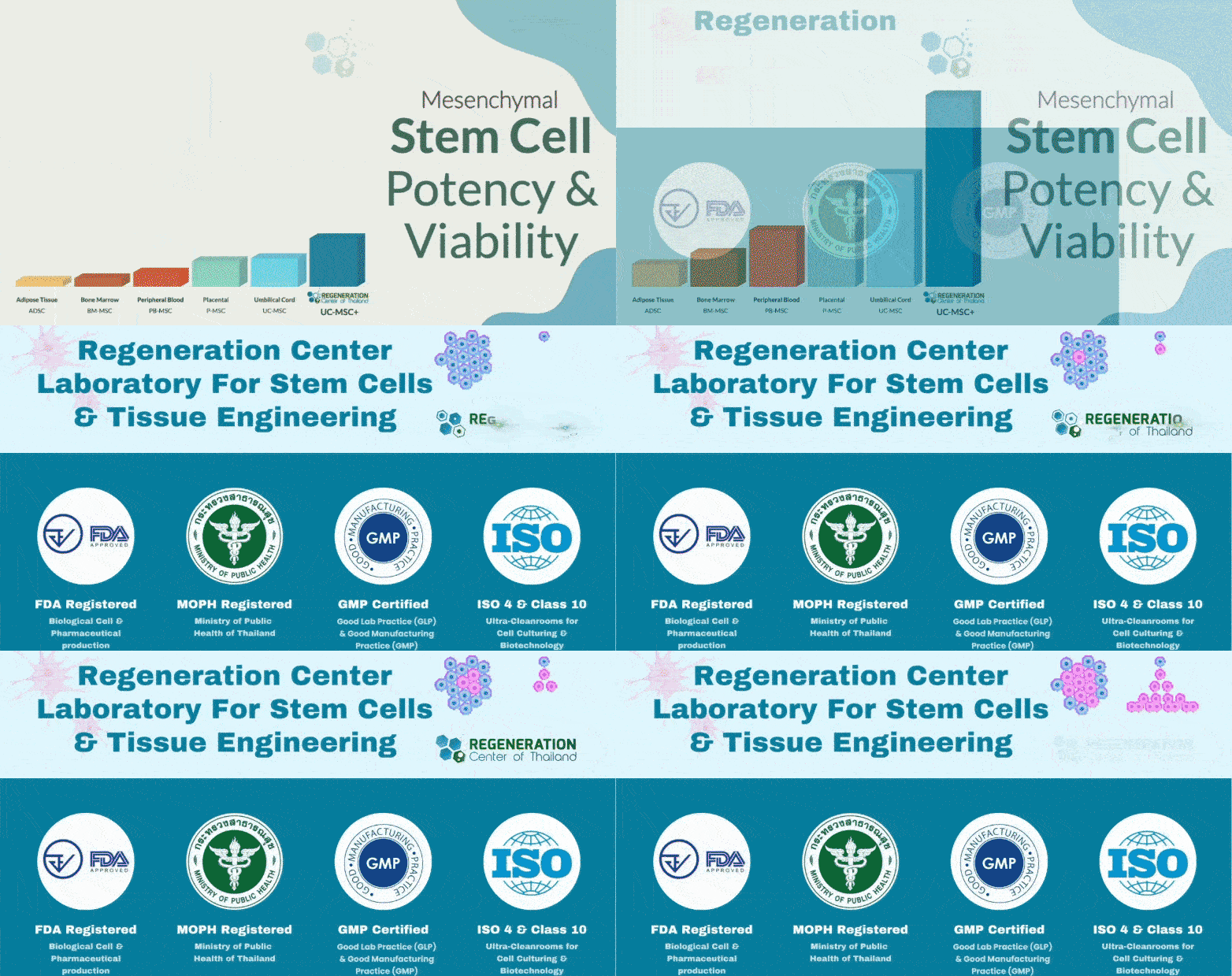
CRPS involves significant peripheral neuropathy, with dysfunctional nerve signaling contributing to chronic pain and sensory abnormalities. Our neural stem cell protocols developed for peripheral nerve conditions, including femoral nerve injury and sciatic nerve pain, incorporate techniques that are directly applicable to CRPS treatment. The regenerative approach to nerve repair using UC-MSC-derived growth factors and fractalkine cell-signaling compounds promotes remyelination and restores normal nerve function.
The autoimmune component of CRPS also links it to other autoimmune conditions, such as rheumatoid arthritis and lupus, in which immune system dysregulation drives tissue damage. The immune-modulatory properties of MSCs, which prove effective in these autoimmune conditions, are equally relevant to addressing the immune-mediated components of Complex Regional Pain Syndrome.
TREATMENT RISKS & PRECAUTIONS
Please note that not all patients are good candidates for the stem cell treatment of Complex Regional Pain Syndrome (CRPS), reflex sympathetic dystrophy (RSD), or chronic neuropathic pain conditions. Patients with late-stage CRPS with irreversible tissue damage, severe underlying medical conditions, active infections, blood-clotting disorders, uncontrolled autoimmune complications, or travel restrictions may not qualify for the estimated 10-14-day treatment protocol. The Regeneration Center conducts thorough evaluations to determine patient eligibility and does not offer human embryonic stem cells or induced pluripotent stem cells for the treatment of CRPS.
Potential Risks and Limitations
Stem cell therapy holds significant promise for treating Complex Regional Pain Syndrome by promoting repair, regeneration, and healing of damaged nerve tissue. However, understanding the potential risks and limitations of this treatment is essential for making informed decisions about your care. Introducing stem cells can occasionally trigger mild inflammatory reactions at the injection site, and individual responses to treatment can vary based on disease severity and duration.
Patient selection is a significant factor in the success of stem cell therapy for CRPS, and The Regeneration Center performs thorough evaluations to determine candidacy. Factors such as age, overall health, the duration and stage of CRPS, the extent of existing nerve and tissue damage, and any concurrent medical conditions will influence eligibility and expected outcomes. The long-term effects of stem cell therapy for CRPS are still being studied through clinical applications, ongoing clinical trials, and research programs. While initial results and case studies are promising, patients should be prepared for the possibility that multiple treatment sessions may be needed and that results can vary between individuals.
Physical Rehab After Stem Cell Therapy for CRPS
Physical rehabilitation plays a crucial role in maximizing the outcomes of stem cell therapy for CRPS. Following treatment, structured rehabilitation helps the body integrate the regenerative benefits of MSC therapy while progressively rebuilding strength, mobility, and function in the affected limb. The Regeneration Center works closely with each patient to design a post-treatment rehabilitation plan tailored to their specific needs and recovery goals.
Rehabilitation protocols for CRPS patients following stem cell therapy typically include graded motor imagery, mirror therapy, progressive weight-bearing exercises, desensitization training, and aquatic therapy. These approaches help retrain the nervous system, reduce pain sensitivity, and restore normal movement patterns. Our medical team can assist in coordinating rehabilitation with certified therapists in your home country after you complete your treatment in Bangkok.
CRPS Stem Cell Treatment Evaluation, Guidelines & Costs
Get safe and effective treatment for Complex Regional Pain Syndrome at The Regeneration Center. A clear diagnosis, supported by recent test results including nerve conduction studies and diagnostic imaging, is important for evaluating and treating CRPS with stem cells. A request for a medical review can be made online or in person, but our medical team needs to better understand your needs before proposing an effective treatment protocol for this condition.
Please note that the treatment requires travel to our stem cell hospital in Thailand for the estimated 10-14-day therapy course. Our CRPS pain management solutions help address the root causes of the disease and improve our patients’ quality of life safely. Medical visas and accommodations for an extended stay at serviced apartments are provided upon request.
If your daily activities are affected by Complex Regional Pain Syndrome or chronic neuropathic pain, please contact us today. Our medical professionals are experienced and trained in treating chronic pain conditions and neuropathic disorders to ensure your condition improves so you can return to everyday life with reduced discomfort and restored function.
Published Clinical Citations
[1] ^Thanaboriboon C, Matos Macêdo MC, Perez J. Complex Regional Pain Syndrome in Cancer Cases: Current Knowledge and Perspectives. Int Med Case Rep J. 2024 May 18;17:497-506. doi: 10.2147/IMCRJ.S451291. PMID: 38778887; PMCID: PMC11110819.
[2] ^ Arunakul M, Kohkaeng W, Samornpitakul P, Arunakul P, Kulalert P, Rachayont K. Effects of Mecobalamin on the Functional Outcomes of Complex Regional Pain Syndrome Type 1 of the Foot and Ankle. Foot Ankle Int. 2024 Nov;45(11):1231-1238. doi: 10.1177/10711007241278691. Epub 2024 Sep 19. PMID: 39297877.
[3] ^ Kitisomprayoonkul W, Sungkapo P, Taveemanoon S, Chaiwanichsiri D. Medical complications during inpatient stroke rehabilitation in Thailand: a prospective study. J Med Assoc Thai. 2020 May;93(5):594-600. PMID: 20524446.
[4] ^Cheng J. Research Targets Stem Cell Therapy for Complex Regional Pain Syndrome. Cleveland Clinic Consult QD. 2022. NIH Grant Award for CRPS Stem Cell Research. Cleveland Clinic.