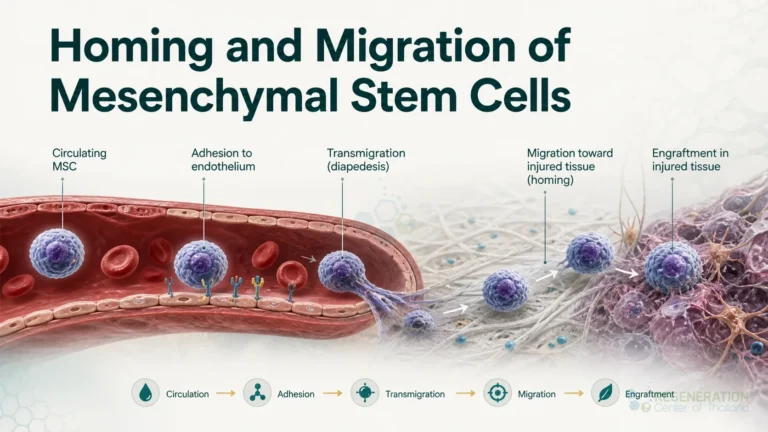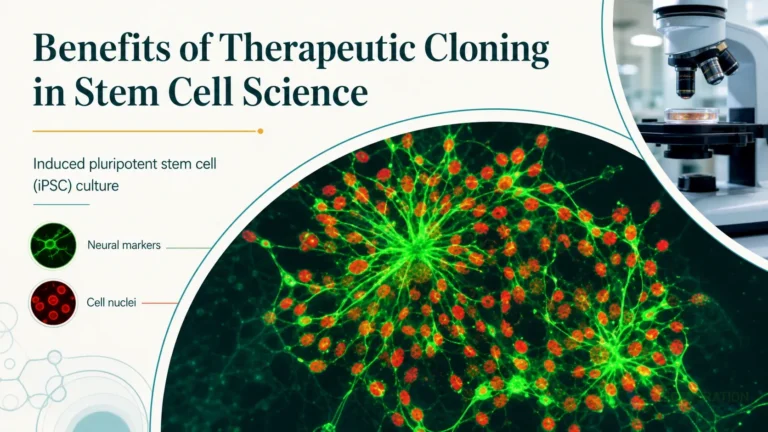

Mesenchymal (MSC) derived stem cells are the bodies own restoration system. Nature allows MSC cells to deliver a homing signal that helps recruit other stem cells in the body to mobilize and “fix” an injured area. Researchers at Rosalind Franklin University of Medicine have recently reported that MSC Mesenchymal stem cells are much better prepared to begin the bodies natural recovery process. Much more than even the self-repair done by the damaged tissues themselves.
Mesenchymal Stem Cells
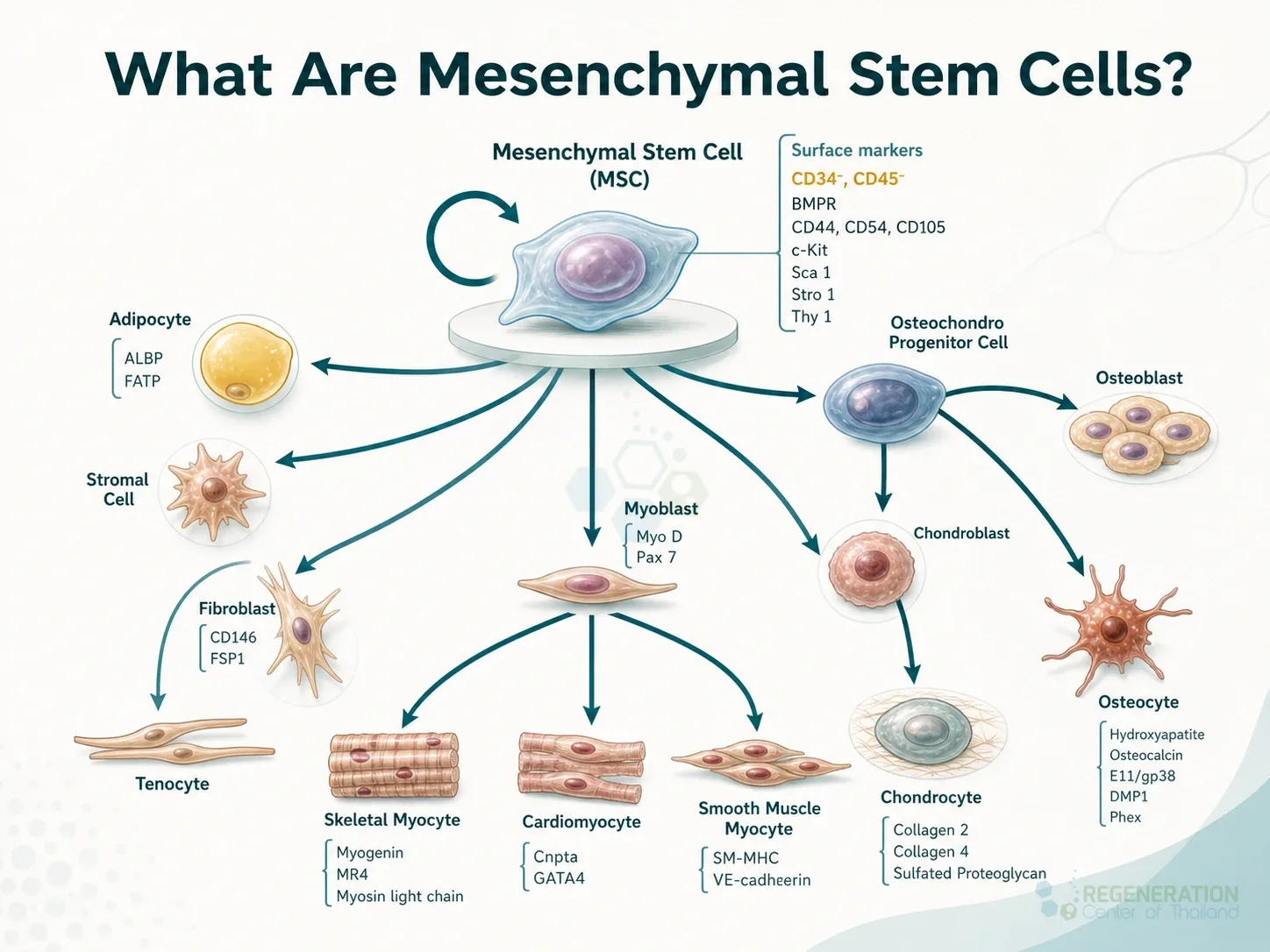
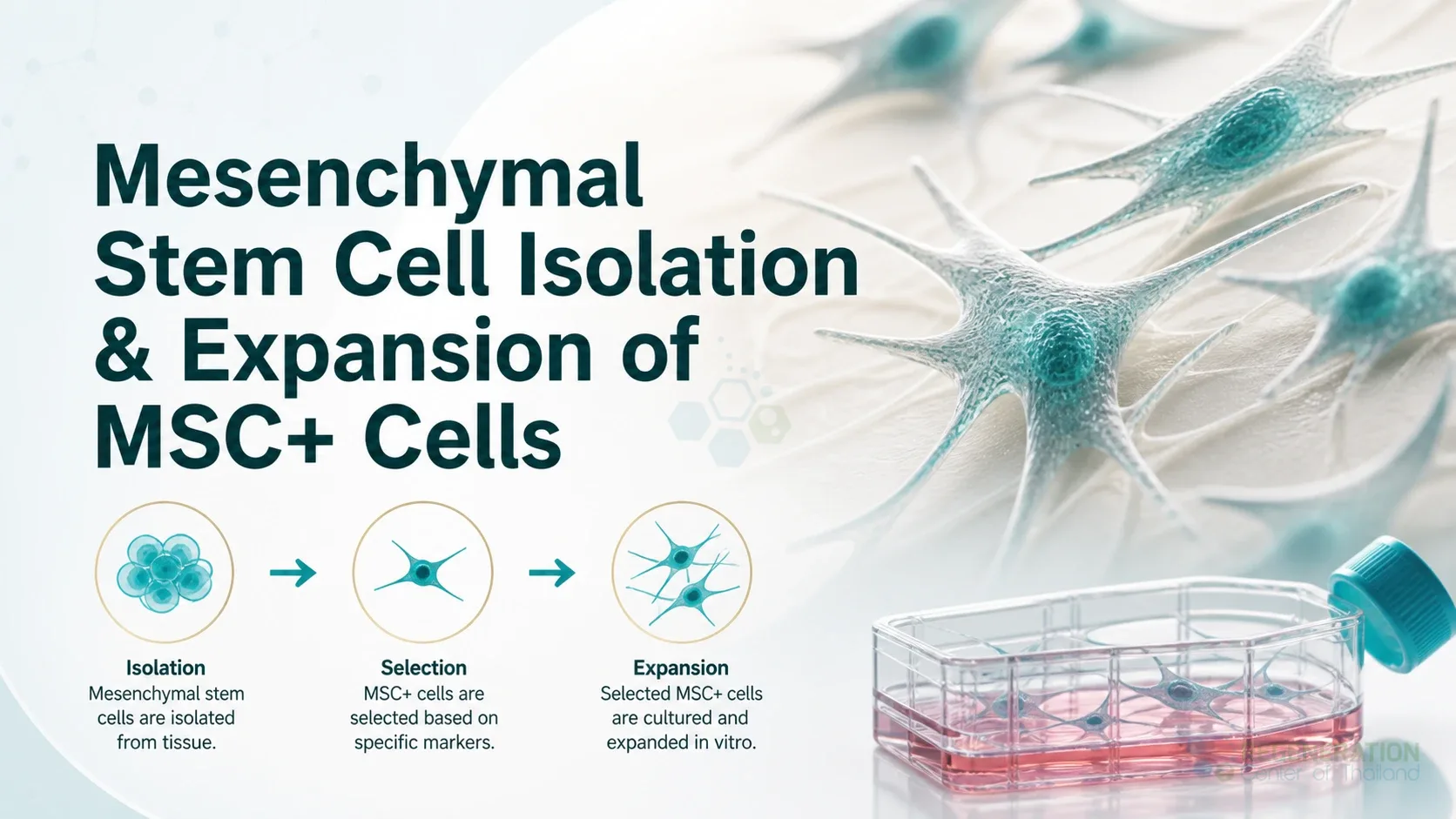
Doctors have been extracting MSC cells for the use of stem cell treatments in Thailand for over 10 years now. The MSC cells are typically drawn out from bone marrow, adipose tissue or dental pulp and then processed and expanded in closed-system stem cell lab in Bangkok. The MSC+ stem cells are then grafted or delivered via IV drips to the patient to begin the regeneration process. After years of successful treatment the doctors have developed a distinct protocol that promotes rapid signaling and healing with cell populations in the patients body. Evidence has clearly shown that patients receiving MSC derived cells recover much more quickly than those patients who had not received treatments in Thailand through direct MSC enriched stem cell grafts.
The key to regenerative medicine and healing today should not hinge on the location of the grafted MSC+ stem cells. The human physique, already has a natural delivery system that can be used to promote a faster healing process. Researchers have also looked into the overall habits of MSC+ stem cells in a wide array of before and after stem cell treatments including patients with Diabetes,Crohn’s disease, congestive heart failure, bone defects,cerebral palsy and arthritis or joint/ ligament damage repair. Although MSC+ stem cells are widely studied in regenerative medicine and tissue repair, long-term studies are still limited, so doctors and researchers cannot yet describe exactly how MSC+ stem cells function along with other multipotent cell lines including Neural Stem Cells, Hematopoietic Stem Cells, Pancreatic Stem Cells, Cardiac Stem Cells and Neural Progenitor Cells.
Isolating Mesenchymal Stem Cells
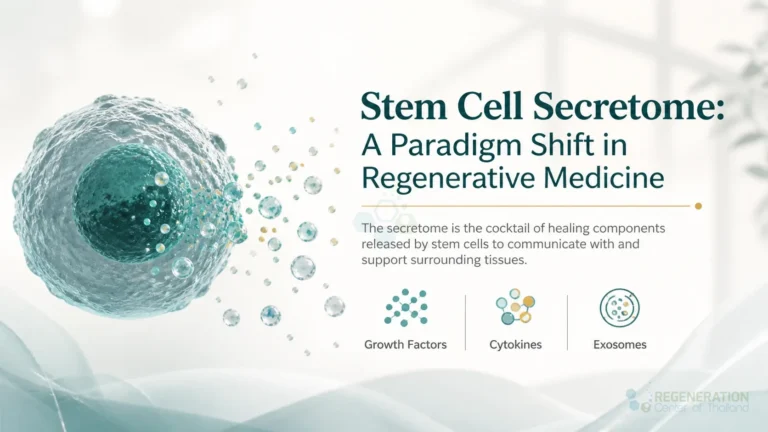
Our stem cell doctors are interested in research on whether the signaling or “homing” effects of MSC+ cells could one day support a cell-free treatment approach that uses the molecules these cells release instead of injections of the cells themselves. We home to establish new and innovative treatments by utilizing cellular molecules as medication as an alternative to costly and inefficient pharmaceutical treatments of today.
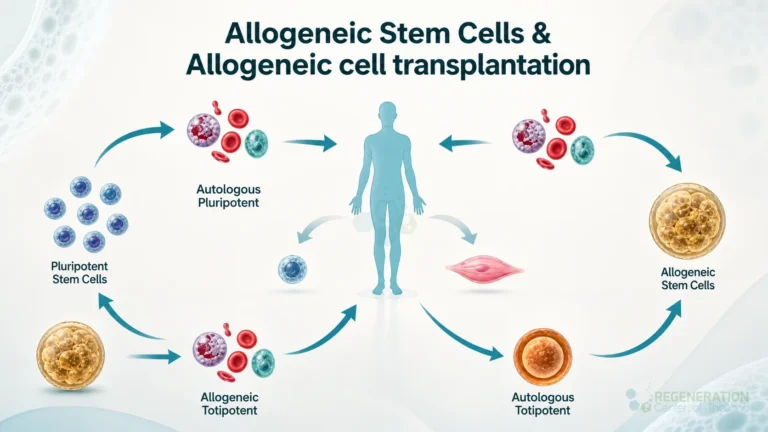
Mesenchymal stem cells typically refers to adult stem cells that are derived from several types of tissues in the human body such as adipose tissue. However, there is still confusion as to whether different tissues carry the same type of mesenchymal stem cells from from autologous transplants or allogeneic transplants.
MSC cells are short for “Mesenchymal Stromal Cells” and are considered to be multipotent cells that can differentiate into a limited range of cell types, mainly bone, cartilage and fat cells. They can self-renew for a period of time, but they do not have immortality, and their growth slows with repeated culture.
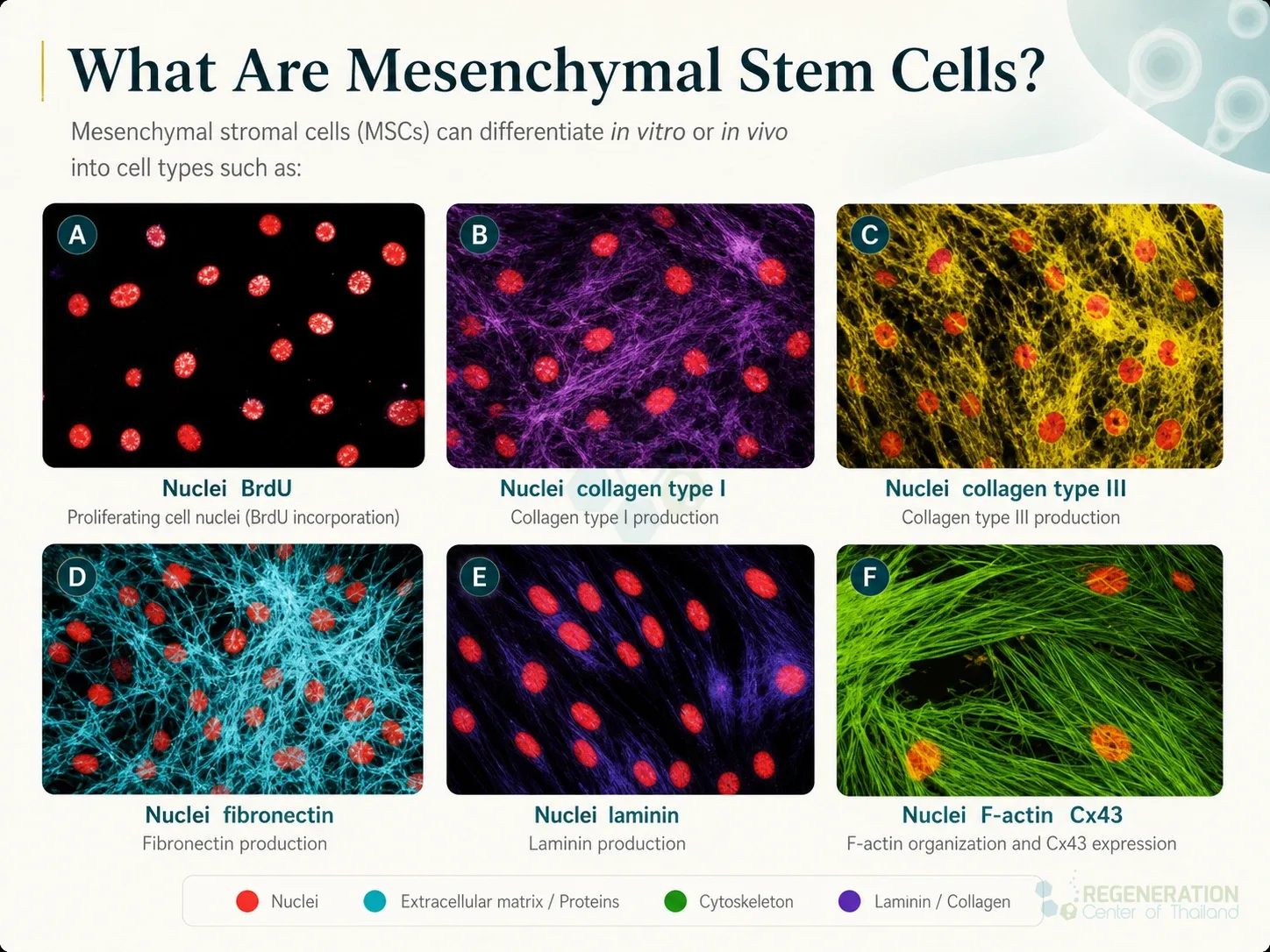
Mesenchymal Stromal Cells have been clinically proven to be able to differentiate in vitro (in the lab) or in vivo (in people) into cell types such as:
- Adipocytes
- Osteoblasts
- Blood Cells and Hepatocytes
- Chondrocytes
- Myocytes
- Brain Cells and Neurons
- Pancreatic islet cells for treatment in Diabetes
Regeneration center of Thailand offers a unique protocol using MSC stem cells from cord blood, Dental Pulp, Amniotic Membrane, Peripheral Blood and placenta derived MSC stem cells in most of our regenerative medicine programs.
To learn more about MSC+ Stem Cells or to inquire about a specific treatments we offer please contact us today.