Exceptional healthcare for enhancing life
Compassion
Innovation
Trust

Cellular Therapy

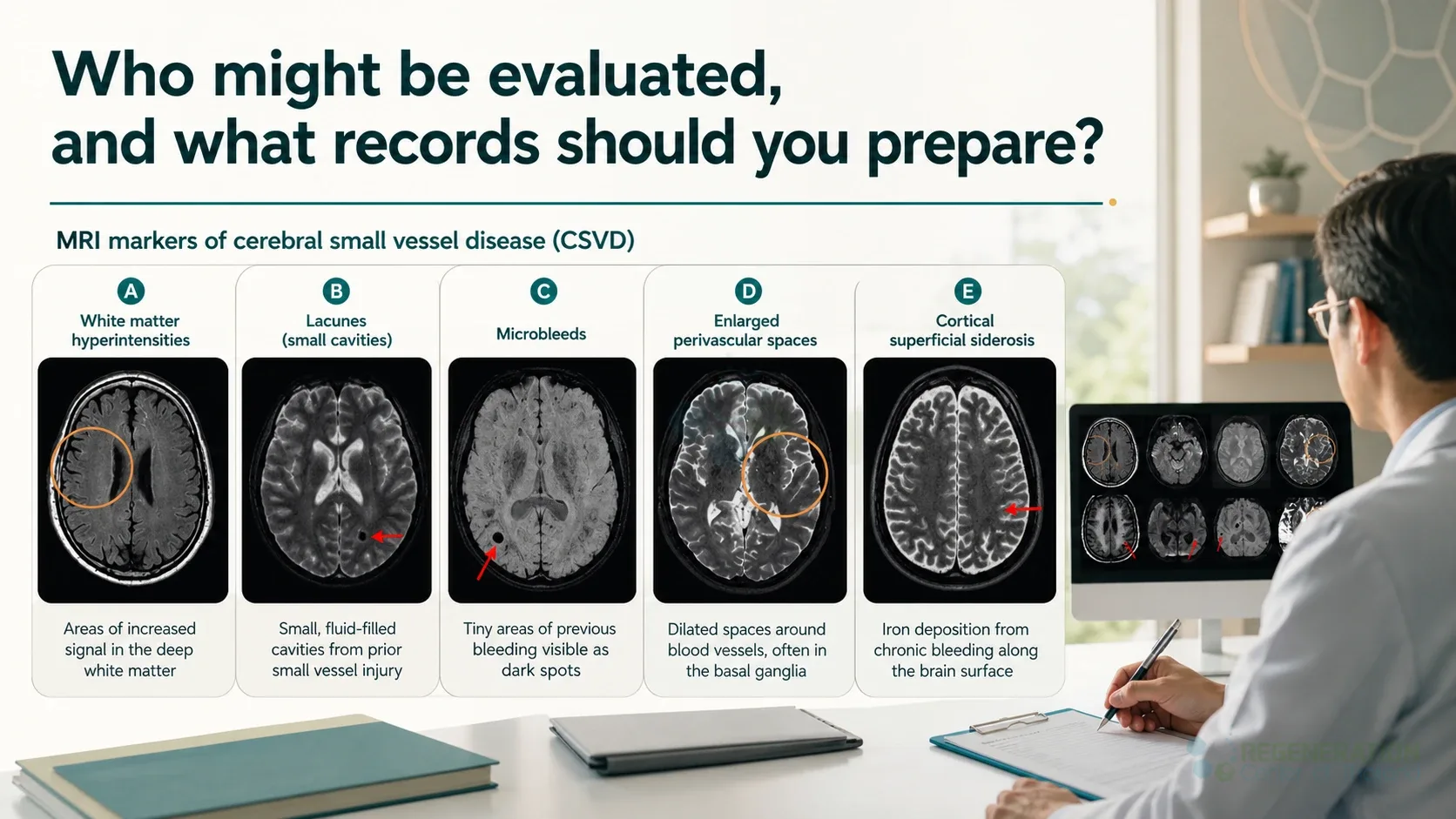
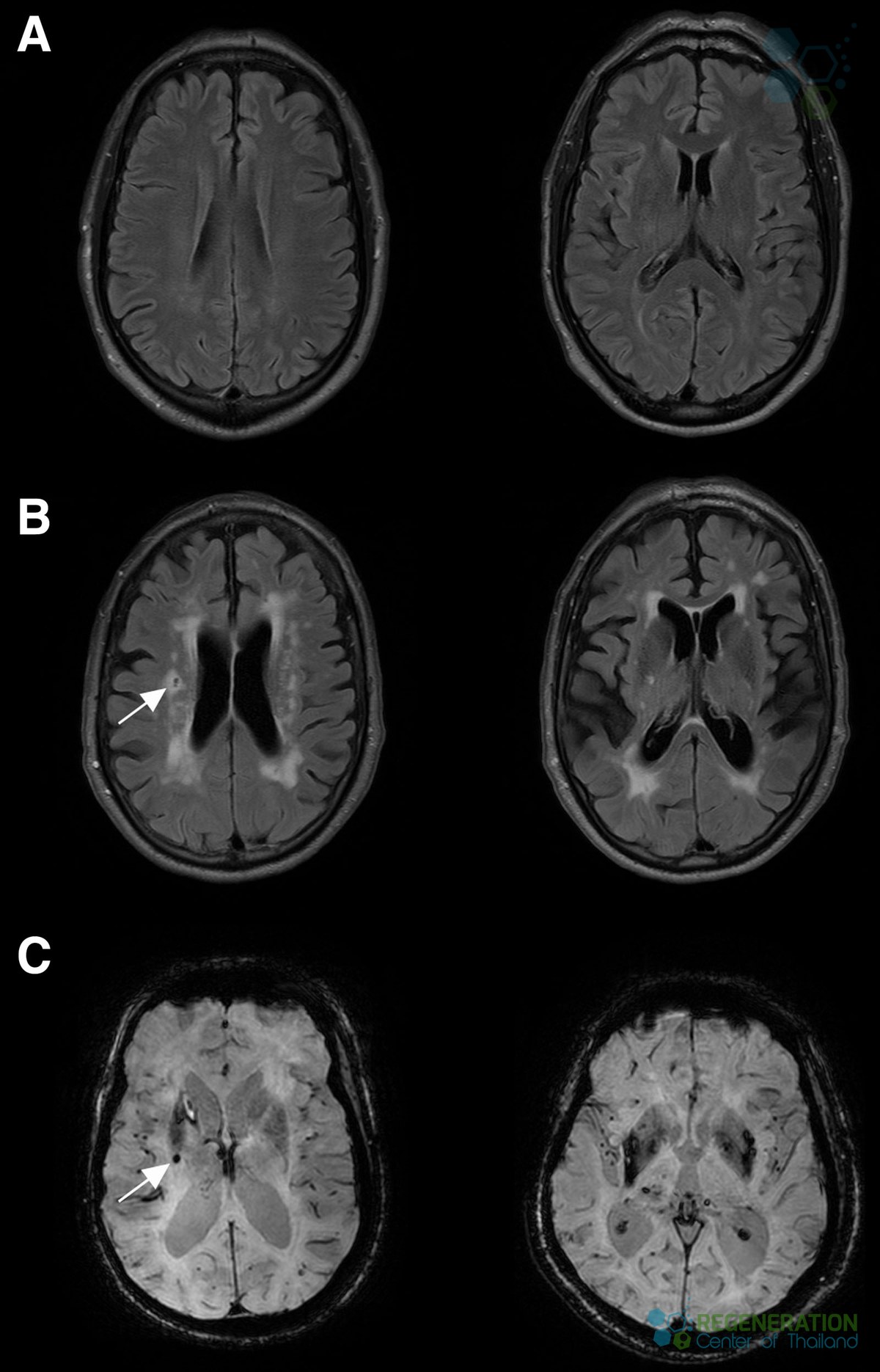
cerebral-small-vessel-disease-mri-lacunes-microbleeds-markers for Stem Cell Treatment for Cerebral Small Vessel Disease (CSVD).
Internationally trained medical team
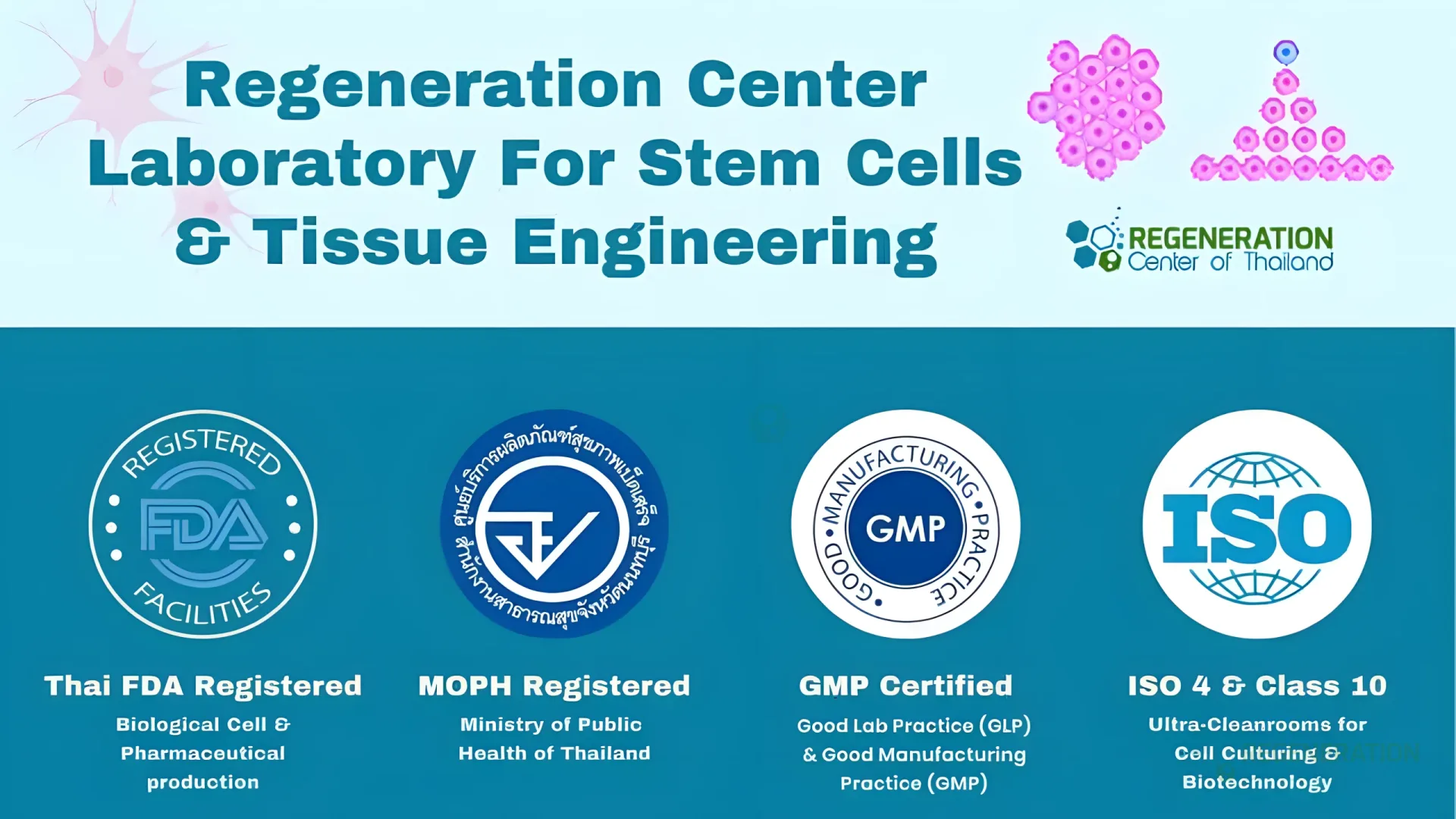
GMP-approved & licensed facilities
19+ years of stem cell research
Experience the Regeneration Center difference

Clinically Enhanced UC-MSC+ Therapies

The Regeneration Center provides comprehensive, scientifically backed stem cell treatments for a range of conditions and degenerative diseases. Our internationally trained medical team provides unparalleled expertise in cell biology, tissue engineering, gene therapy, and bioinformatics through years of stem cell research, clinical trials, and clinical applications of modern cellular therapeutics. We aim to effectively address the scientific challenges of stem cell research by implementing regenerative medicine. Our cell expansion lab and treatment centers in Bangkok offer effective protocols for chronic conditions using (MSC+) mesenchymal stem cells.

For over 19 years, The Regeneration Center has been a premier research institution for stem cell therapies, adhering to the highest medical standards for all our patients. Our medical team is fully licensed to perform regenerative medicine in the Kingdom of Thailand. All four medical facilities are GMP-approved and fully licensed (including cell banking) to provide immediate medical relief for several chronic, autoimmune, neurological, orthopedic, and degenerative vascular diseases. Our cell therapy and cell expansion protocols leverage proprietary techniques developed over years of stem cell research, enabling successful multistem cell treatment protocols for many diseases.

Functional Medicine Using MSC+ cells to create personalized treatments that deliver measurable results. Most treatments use adult somatic cells, Peripheral Blood PBSC, Placenta Derived, “UMBC” Umbilical Cord Blood Derived, Umbilical Cord Tissue “UC-MSC”, Bone Marrow and dental pulp cells while adipose tissue or “fat” stem cell harvesting is being used in non-critical and cosmetic treatments. Our integrative medical center also offers cryogenic cell banking services, Imaging (Radiology) services, genetic tests/screenings, along with immunotherapies and cancer treatment options.

The benefits of stem cell treatments are not a new phenomenon. The first known bone marrow stem cell transplant took place back in 1959 on victims of radiation whose own bone marrow cells had been damaged. For over 50 years now, hematopoietic “blood” stem cell therapies have provided benefits and effectiveness for various medical conditions. The Regen Center is dedicated to providing safe and effective therapies, including radiation-free cancer immunotherapies, for conditions such as lymphoma, Leukemia, myelodysplastic disorders, myeloproliferative disorders, multiple myeloma, and amyloidosis.

19+Years in regenerative medicine
4Licensed Bangkok facilities
2Cell-source pathways
Cellular medicine

Enhanced UC-MSC+ Stem Cell Therapies

Cellular-therapy evaluation brings together the diagnosis, medical history, current treatment, imaging, laboratory findings and the evidence relevant to the requested condition. That review helps the medical team decide whether a consultation is appropriate and which questions must be resolved before a protocol can be considered.

Licensed clinical network

A long-standing regenerative-medicine program

Since 2007, the center has coordinated regenerative-medicine inquiries through a Bangkok network of licensed clinical facilities and quality-controlled laboratory services. The care pathway connects records review, physician consultation, diagnostics, cell preparation and follow-up while keeping every decision tied to the individual case.

Individual cell-source selection

Functional medicine around the cellular protocol

Autologous and allogeneic cell sources are not interchangeable products. Source selection, laboratory preparation, route and supporting care depend on the clinical question, health status and available evidence. Functional-medicine review, radiology, genetic testing, immune evaluation and cell banking can be incorporated when they add useful clinical context.

Evidence and history

Established foundations, careful translation

The long clinical history of hematopoietic stem-cell transplantation sits alongside newer, still-evolving applications of cellular medicine. Our role is to separate established practice from investigational use, review the evidence for the specific diagnosis and explain uncertainty, alternatives and eligibility in language patients and families can use.
Our signature programs

Focused programs for complex and degenerative conditions

Explore four frequently requested pathways. Each opens into condition-specific information and begins with medical-record review rather than a preset treatment package.

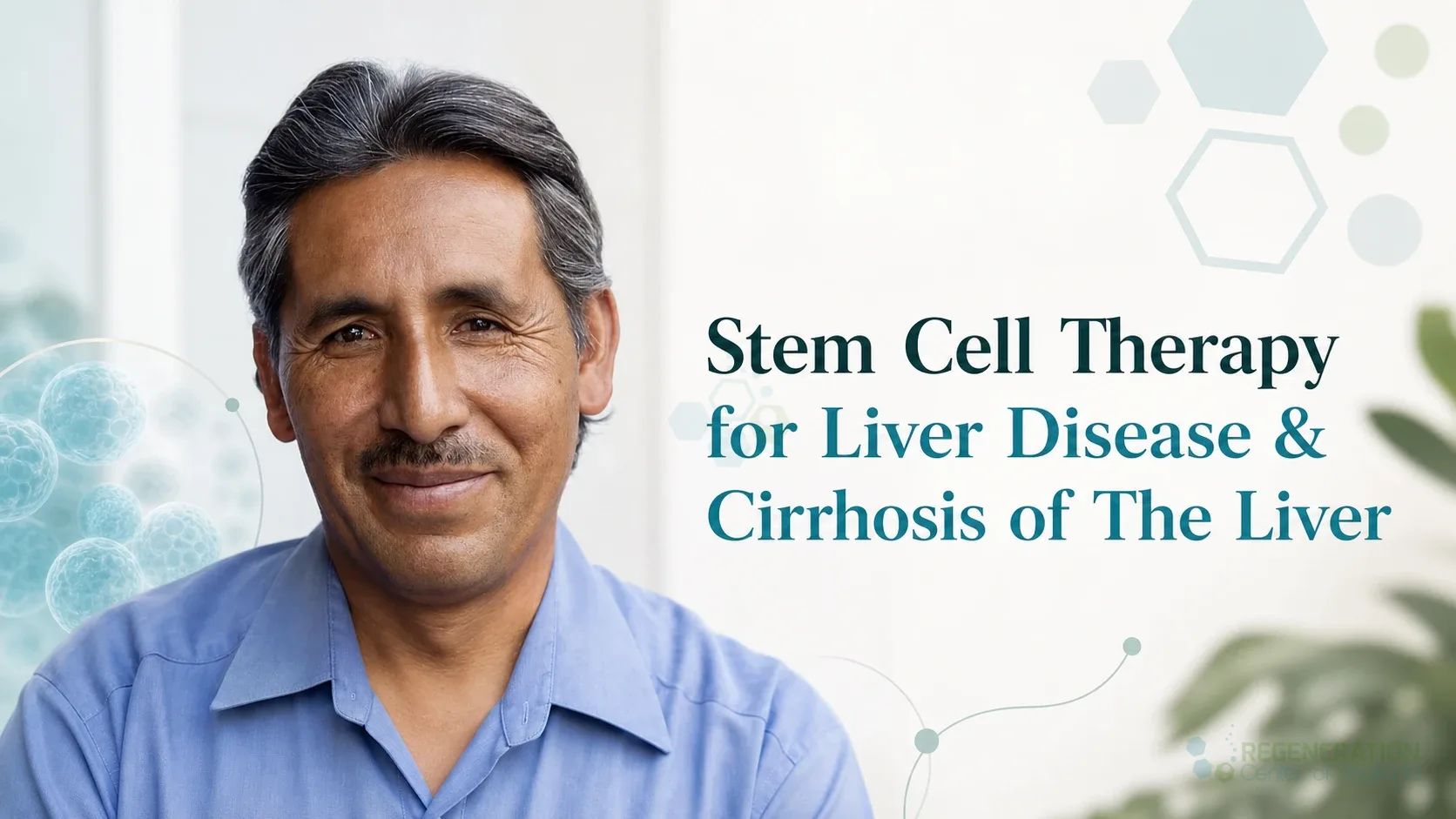
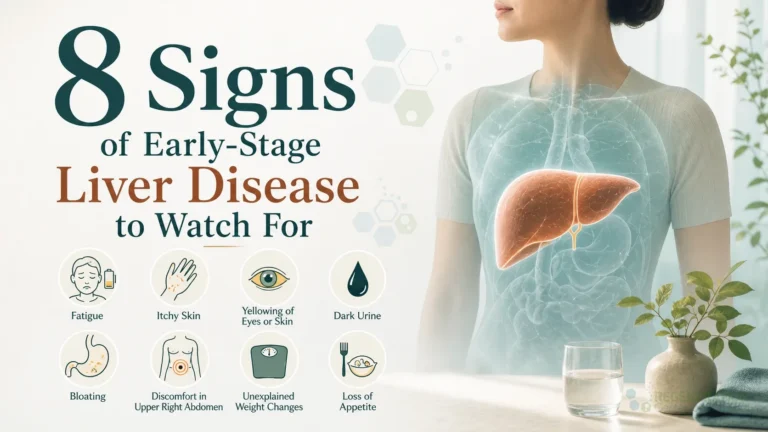
Editorial image for Stem Cell Therapy for Liver Disease & Cirrhosis of The Liver, including the section headline.
01Gastroenterology · liver · pancreas

Gastroenterology GI Tract

A Human Gastrointestinal (GI) Tract consists of a muscular tube that starts at the mouth and continues through the pharynx, oesophagus, intestines and stomach. Diseases and disorders of the GI (gastrointestinal) system usually affect the throat, stomach, pancreas, small intestine, liver and/or colon areas. The gastrointestinal tract is also a very rich repository of adult stem cells that normally assist in the proper growth and differentiation of cells in the digestive organs. Liver diseases and Pancreas dysfunctions such as Type 1 diabetes, Type 2 diabetes, diabetic nephropathy , pancreatitis & pancreatic cancer along with digestive disease like crohns, ulcerative colitis can be treated and reversed using enhanced mesenchymal stem cells.

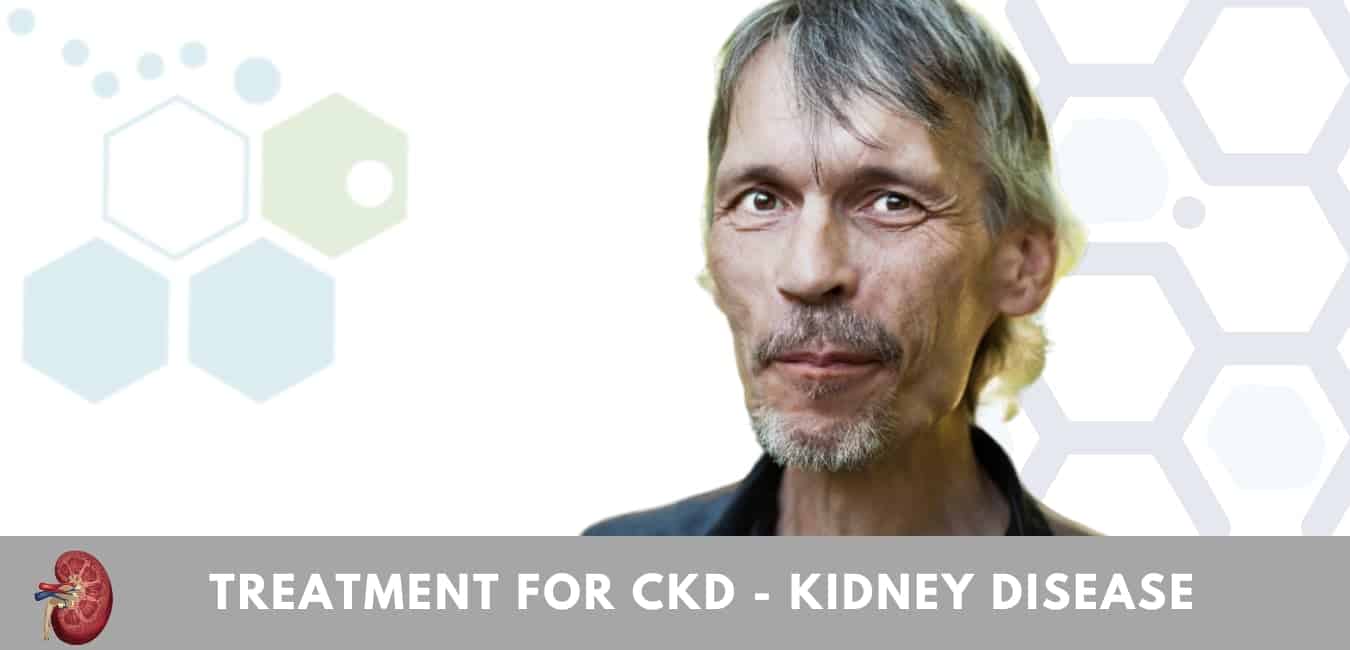
Clinical illustration for kidney and renal medicine
02Nephrology · renal function

Nephrology – Kidney

It is estimated that nearly 12% of the world's population is affected by “CKD” or chronic kidney disease. CKD and end-stage renal disease “ERSD” are increasingly common in global stem cell therapies with over 3 Million people being kept alive using renal replacement therapy and dialysis. Kidney stem cell therapy offer an alternative to kidney transplant surgery through a process known as nephrogenesis. Our renal protocol targets 24 distinct cell types and compartments (vascular, glomerular, interstitial and tubular). The protocol helps repair an injured kidney through systematic replacement of the dead cells, cellular fusion and by augmenting a process known as the paracrine effect. Cellular therapies are used to treat conditions such as polycystic kidney disease.

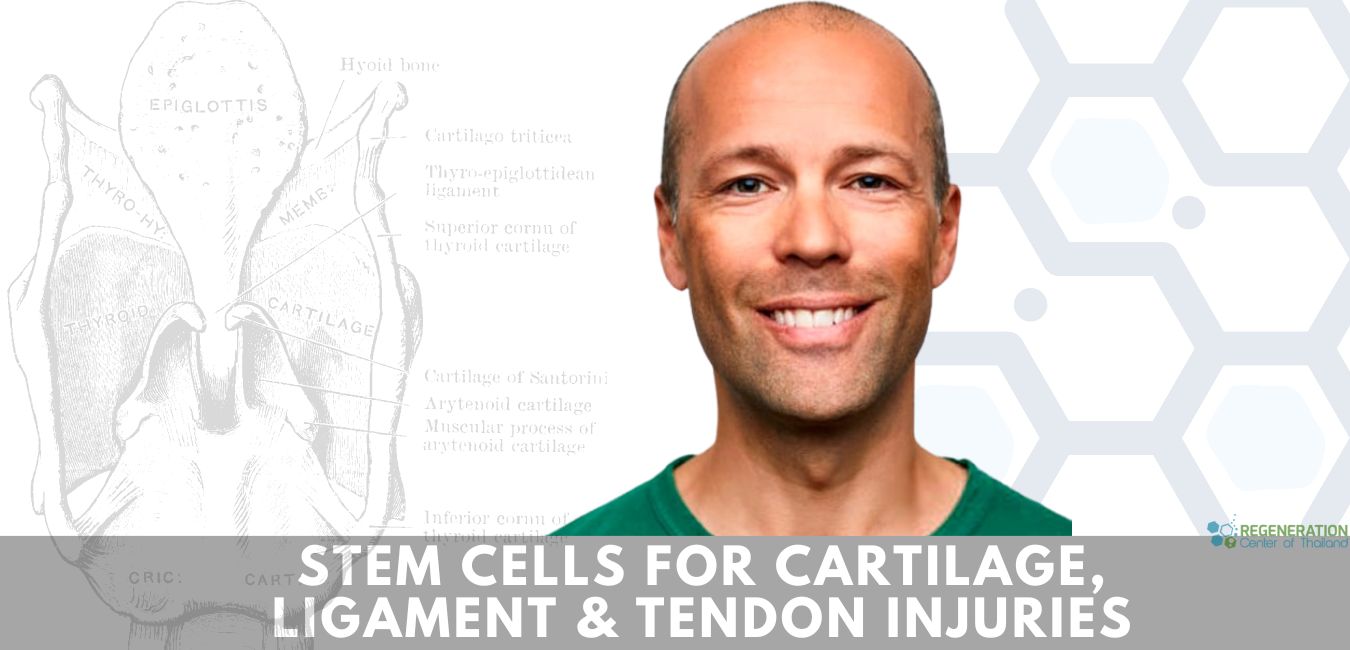
Orthopedic assessment of cartilage, ligaments and tendons
03Orthopedics · joints · connective tissue

Orthopedic Musculoskeletal

Traditional surgical repairs of bone defects and tissue injuries required the use of medical implants (hip,knee) or bone grafting. Today, clinical stem cell therapies and tissue engineering have changed the orthopaedic industry. Isolateed and cultured cells are used in many conditions to non-surgically restore proper function, eliminate pain, improve range of motion and improve the overall strength and functions of the joint. Adult mesenchymal stem cells can also establish Vasculogenesis, stem cell proliferation, promote vascularisation and most importantly help to modulate the inflammatory process preventing healing. Cell therapies and regenokine treatments are used for treating: knee injuries bone fractures, regenerate cartilage for back injuries & back pain, arthritic hips, shoulder injuries, sports injuries in damaged cartilage,ligaments and/or tendons, degenerative disc disease, osteoarthritis and rheumatoid arthritis.

Healthy-aging and wellness consultation
04Functional medicine · healthy aging

Age Management

The Prevention vs. Treatment argument is best summarized with the famous quote “an ounce of prevention is worth a pound of cure.” We believe health benefits should only be measured by the combination of the quality-of-life and longevity of the person. Regenerative medicine looks to increase the quality AND quantity of your lifespan by offering scientifically-based protocols customized to the patients needs. Through the power of multipotent stem cells we seek to regenerate, restore and repair vital tissues in the aging body. Lab enhanced stem cells are used in many cosmetic applications in breast reconstruction post mastectomy to age-management therapies to help you look and feel better in as little as 1-2 weeks in Thailand.

Regenerative Solutions

Request Medical Evaluation

Personalized care begins with a confidential review of your medical history.

Where clinical excellence meets excellent results A better healthcare experience
Treatment approaches

Two cell-source pathways, selected for the individual case

Autologous and allogeneic describe where the cells come from. They do not describe a condition, outcome or one-size-fits-all treatment.

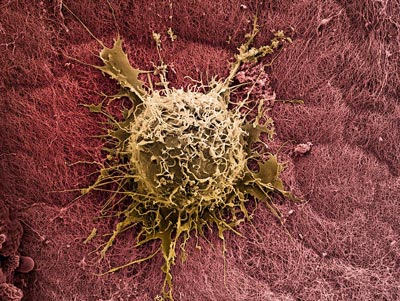
Microscopic illustration of patient-derived bone marrow stem cells
01Your own cells

Autologous protocols

Cells are collected from the patient, prepared for the intended clinical pathway and returned under physician supervision. Collection method, cell yield and suitability depend on health status and the treatment objective.

Autologous preparation can involve peripheral-blood progenitor cells, bone-marrow-derived cells or adipose-derived cells. Before collection, the team reviews current medication, infection risk, blood counts, anesthesia or procedure considerations and whether the patient’s own cells are appropriate for the intended application.

Cell sources may include
  • Peripheral blood PBSC
  • Bone marrow BMSC
  • Adipose-derived cells
Understand autologous cells
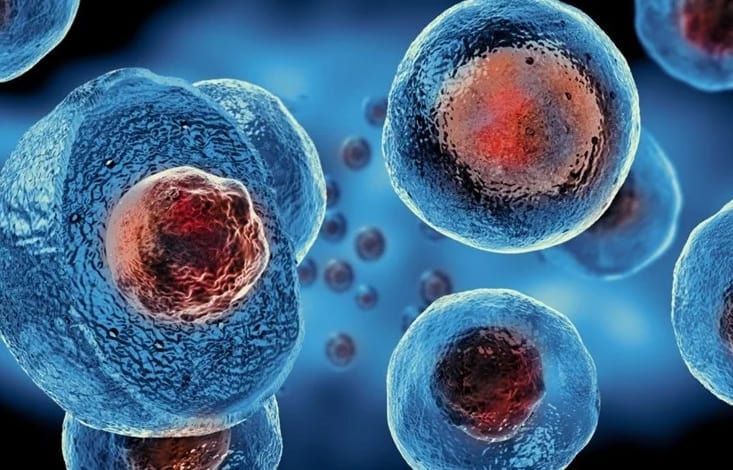
Cultured cells prepared through a controlled laboratory pathway
02Donor-derived cells

Allogeneic UC-MSC+ protocols

Cells are derived from screened donor tissue and expanded or prepared through a controlled laboratory pathway. Source selection depends on the condition, available evidence, quality controls and physician review.

Donor-derived preparations may originate from umbilical-cord tissue, Wharton’s jelly, placental tissue, dental pulp or other screened sources. The laboratory pathway, release criteria, compatibility considerations, intended route and follow-up plan are reviewed as part of the complete protocol. They are not treated as interchangeable product labels.

Cell sources may include
  • Umbilical cord UC-MSC
  • Wharton’s jelly WJ-MSC
  • Placental
  • Dental pulp
  • Neural
Understand allogeneic cells

Cell source, dose, route and supporting care are determined only after a physician reviews the diagnosis, medical history, test results and current treatment.

Patient perspectives

Every patient journey starts with a careful review

The clinical pathway is individual, but the first step is consistent: understand the diagnosis, the evidence and the patient’s priorities before discussing options.

Request evaluation
Our specialties

Complex-care programs across multiple specialties

Select a medical specialty to learn more about the conditions we evaluate and treat, their clinical significance, and the level of assessment and treatment information available through our center.

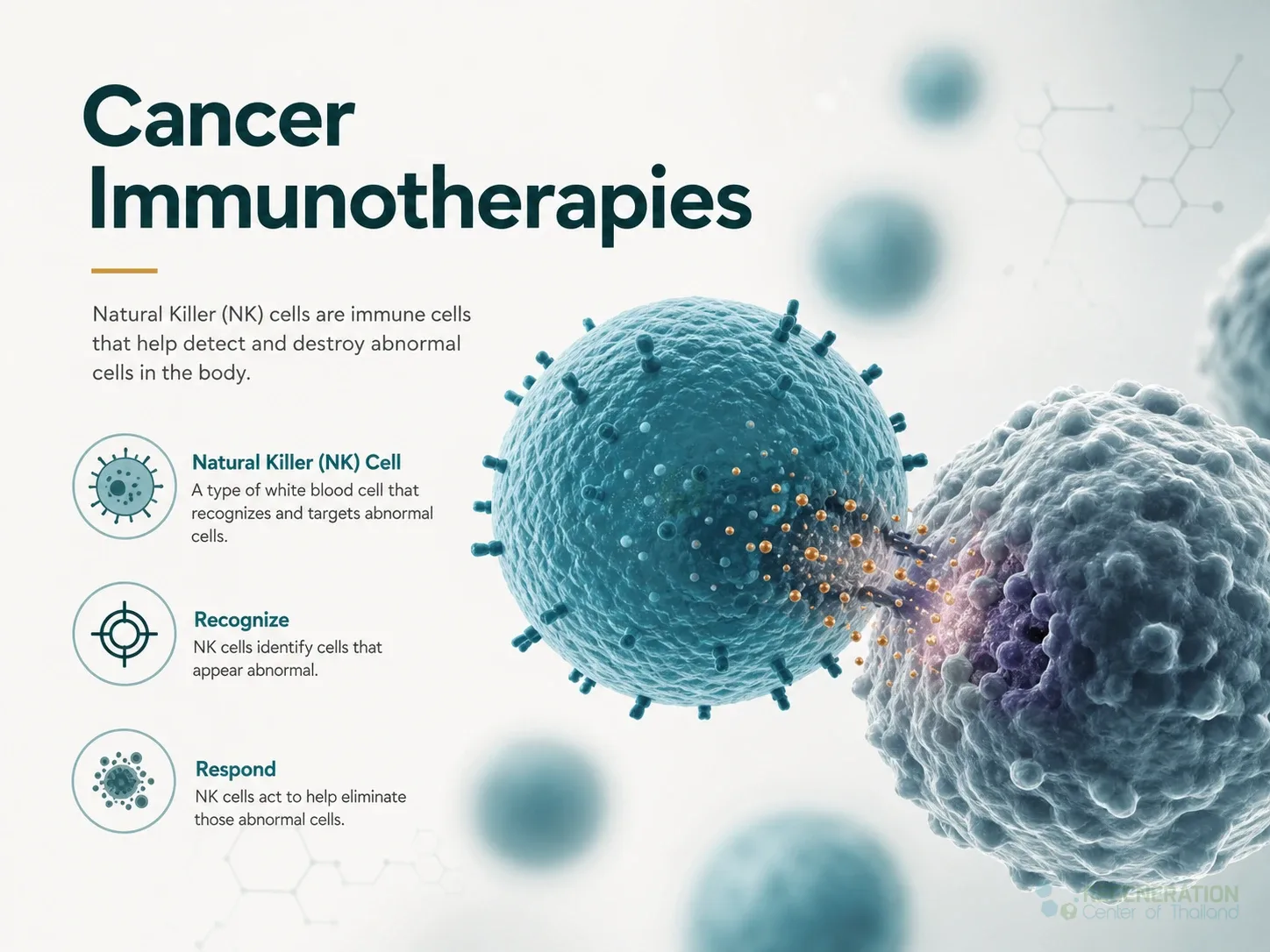
Clean clinical illustration for Cancer Immunotherapies with concise explanatory text.
01

Oncology · Immune-cell evaluation

Cancer Immunotherapies

Cancer is the rapid and uncontrolled growth of cells in the body. Cancer cells invade and migrate to distant sites in the body resulting in severe health consequences. Over 9 Million people across the world die each year from cancer. The leading types of cancers occur in the lungs, prostate, liver, digestive, pancreas, colorectal and stomach areas. For women, the most common cancers occur in the breast cancer, lung cancer, stomach and uterine cervix. 40% of all cancer deaths can be prevented with early accurate detection & treatments. Traditional treatment options for cancer vary and can include chemotherapy, tissue excision and guided radiofrequency ablation. Stem cell transplants are used to treat patients with lymphoma or if relapsed after treatment. Alternative treatments include NK Cells, HIFU and cancer immunotherapy with uses the patients own immune system to attack cancer stem cells boosting the immune system.

Cardiovascular cellular-therapy clinical image
02

Cardiology · Heart & circulatory system

Heart & Circulatory System

Cardiovascular or heart disease is the undisputed #1 cause of death around the world claiming more than 19 million lives every year. Myocardial infarctions & heart diseases like CHF,PAD & CAD limit the ability to regenerate damaged heart tissue causing cardiopoietic cells to stop replacing themselves weakening the heart muscles & less efficient pumping blood. Many patients typically require surgery and may need to surgically replace or repair heart valves or necessitate to bypass the coronary arteries with stents and grafts. Cardiovascular stem cell transplants using guided cardiopoietic cells for treatment after a diagnosis or heart attack. Our stem cell therapy for congestive heart failure – CHF & peripheral vascular disease using cord blood stem cells to repair damaged heart tissue and regenerate cardiac pacemaker cells, cardiomyocyte muscle cells and endothelial cells that help deliver oxygen back to the cardiomyocyte cells.

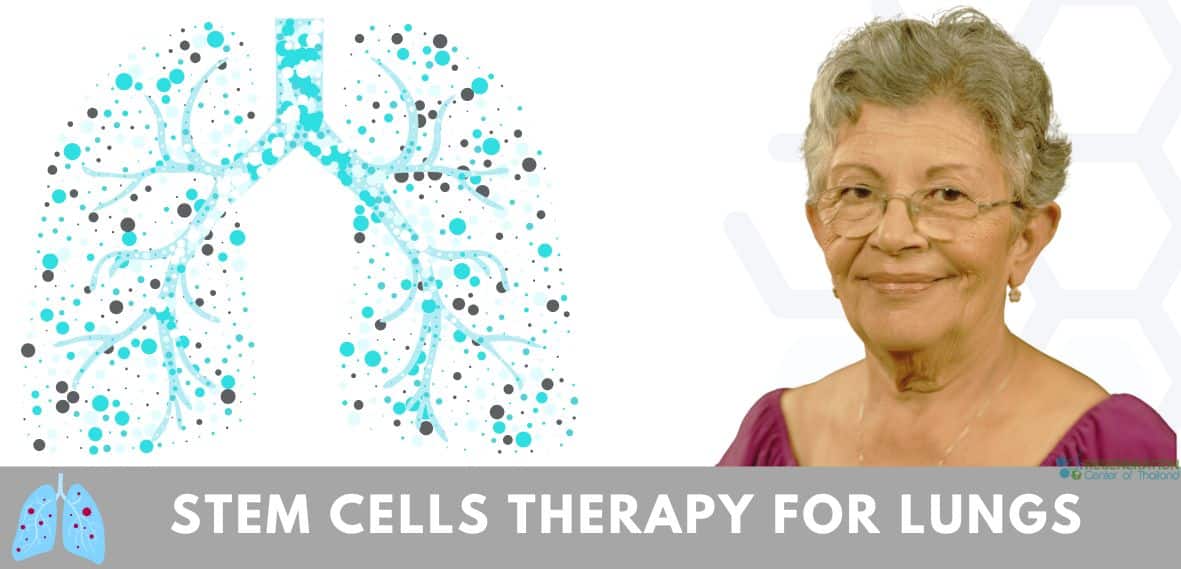
Pulmonary medicine and lung-function clinical image
03

Pulmonology · Lungs & airways

Pulmonary & Lung

On average we take between 25 million to 50 million breaths of air in our lifetime. The human lung is an essential spongy that are made of 2 parts. A repository airway tube made up of the trachea, bronchioles and bronchi along the other part known as alveolar that are regions to help with gas exchange. For healthy patients healthy lung cells are always forming to replace old and damaged lung cells. For patients with severe lung diseases such as chronic obstructive pulmonary disease “COPD”, chronic bronchitis, Idiopathic pulmonary fibrosis or emphysema, the healthy respiratory tissue does not keep forming leading to increased breathlessness and eventually death. A process known of immunomodulation allows lung stem cell therapies to prevent further damage,reduce inflammation and regenerate new lung tissue to finally provide a safe alternative to lung transplants for patients with mild to moderate lung diseases.

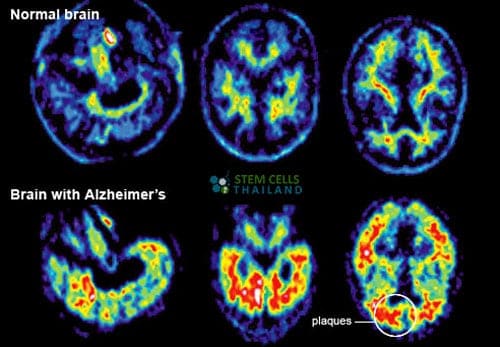
normal-brain-vs-alzheimers-patients
04

Neurology · Brain & spinal cord

Brain & Spinal

The central nervous system consists of the brain, connecting nerves and the spinal cord. Genetics, traumatic brain injuries, neurological or biochemical disorders such as alzheimers, multiple sclerosis and Ataxia can attack the central nervous system rapidly leaving patients with biochemical or electrical abnormalities including brain tumors, epilepsy, Parkinson's disease & brain strokes. In the past two decades, research using neural stem cells has proven to stop, repair and regenerate the nervous system functions and thereby providing new scenarios for the treatment of a sick or injured brain. From common conditions such as autism spectrum and cerebral palsy to more complex conditions such as Motor neuron disease and ALS. Our unique isolation, expansion & engraftment techniques using pluripotent neural stem cells has allowed us to provide a minimally invasive and effective neurological repair protocol for patients with brain & spinal injuries.

Parkinson’s
Stroke
COPD
Osteoarthritis
Kidney disease
Diabetes
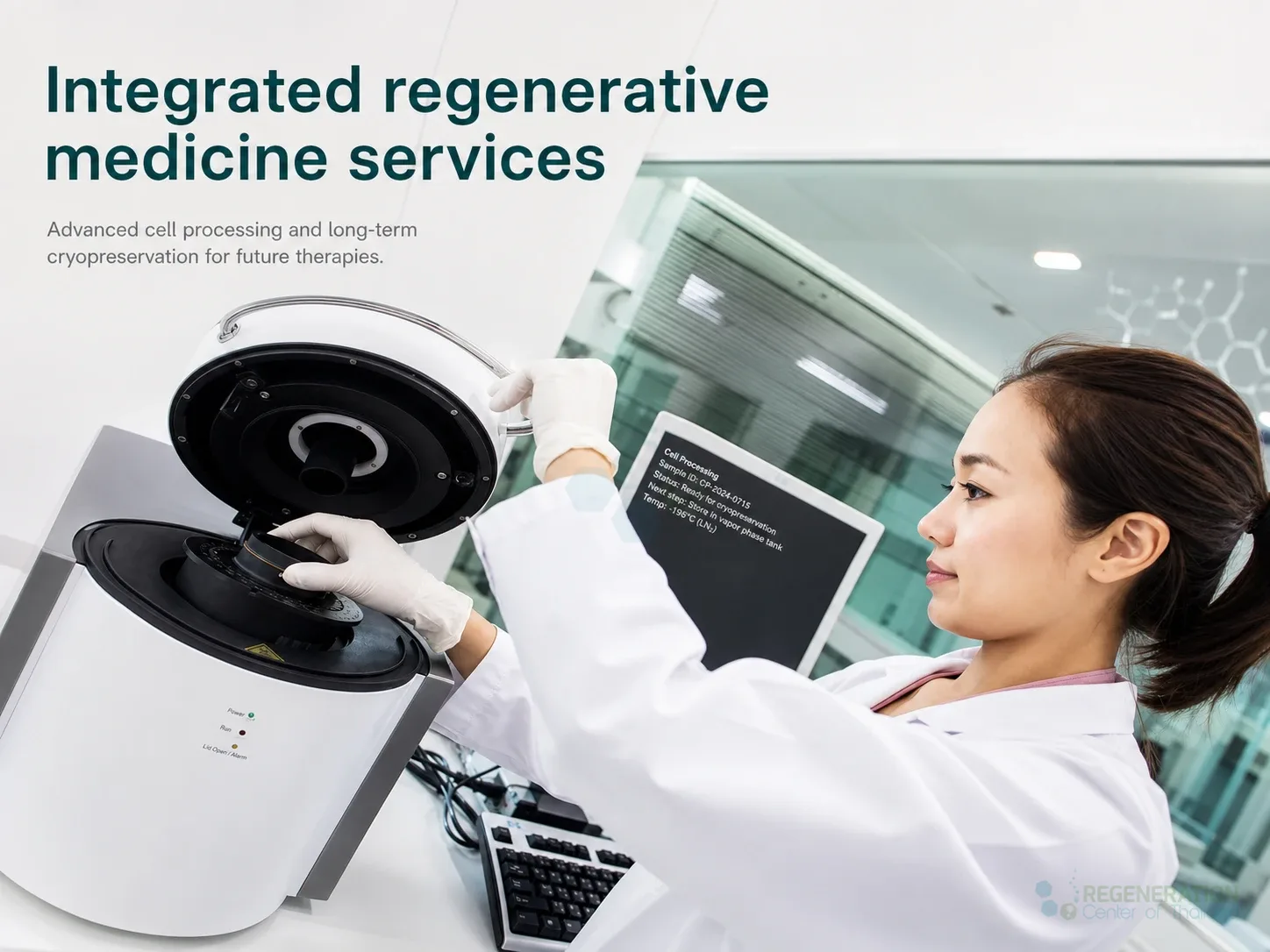
Editorial illustration for Integrated regenerative medicine services, including the authored section headline.
What we offer

Integrated regenerative medicine services

Everything your treatment journey needs, in one center.

Cell banking laboratory specialist operating centrifuge equipment
01
Cryogenic cell banking
Long-term cryopreservation and storage services.
Diagnostic MRI images used during a coordinated clinical review
02
Radiology & imaging
Diagnostic imaging to guide and monitor care.
DNA and molecular genetics illustration
03
Genetic testing & screening
DNA testing and screening to help personalize evaluation.
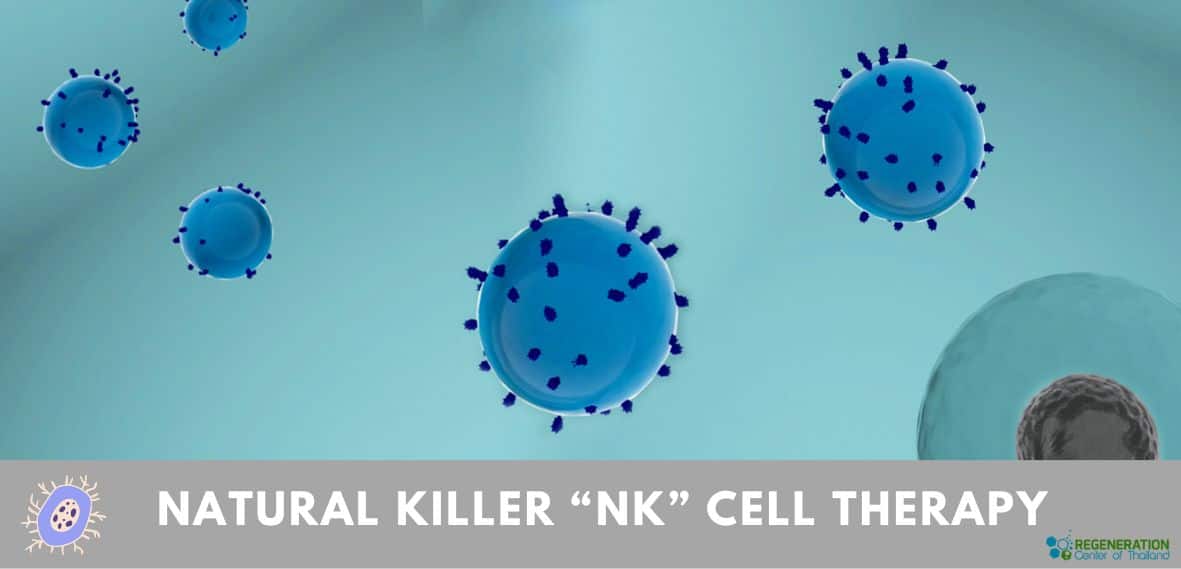
Natural killer cell immunotherapy illustration
04
Cancer immunotherapy
Personalized immunotherapy evaluation and treatment options.
Your journey starts here

Your stem cell therapy questions, answered

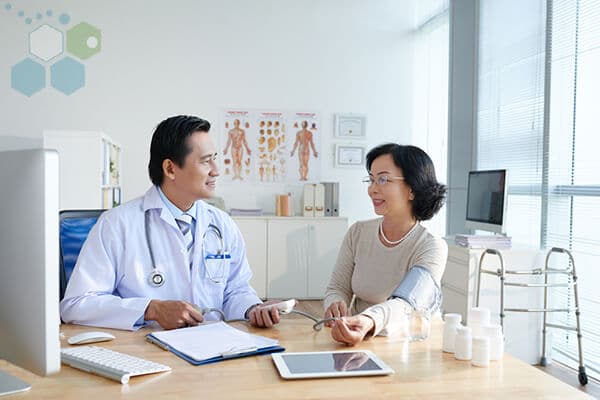
Begin with a confidential review of your diagnosis, current care and medical records. The team will explain what can be assessed remotely, what additional information may be needed and whether a physician consultation is an appropriate next step.

Request evaluation
A coordinated first reviewRecords, imaging and goals considered together
What conditions can stem cell therapy treat?

Our team evaluates neurological, orthopedic, cardiovascular, liver, kidney, lung, autoimmune and other degenerative conditions. Suitability depends on an individual medical review.

What happens after I submit my medical records?

The coordination team organizes the available history, imaging and test results for medical review. If more information is needed, you will receive a clear request before a consultation is arranged.

What types of stem cells do you use?

Protocols may involve autologous or allogeneic cell sources. The selected source depends on the condition, medical history, available evidence and physician review.

How is treatment planning personalized?

Recommendations are individualized to the diagnosis, medical history, test results, current care and treatment goals rather than selected from a preset package.

How do I know if I’m a candidate for treatment?

Submit your medical records for a confidential evaluation. The medical team will advise whether further consultation or treatment may be appropriate.

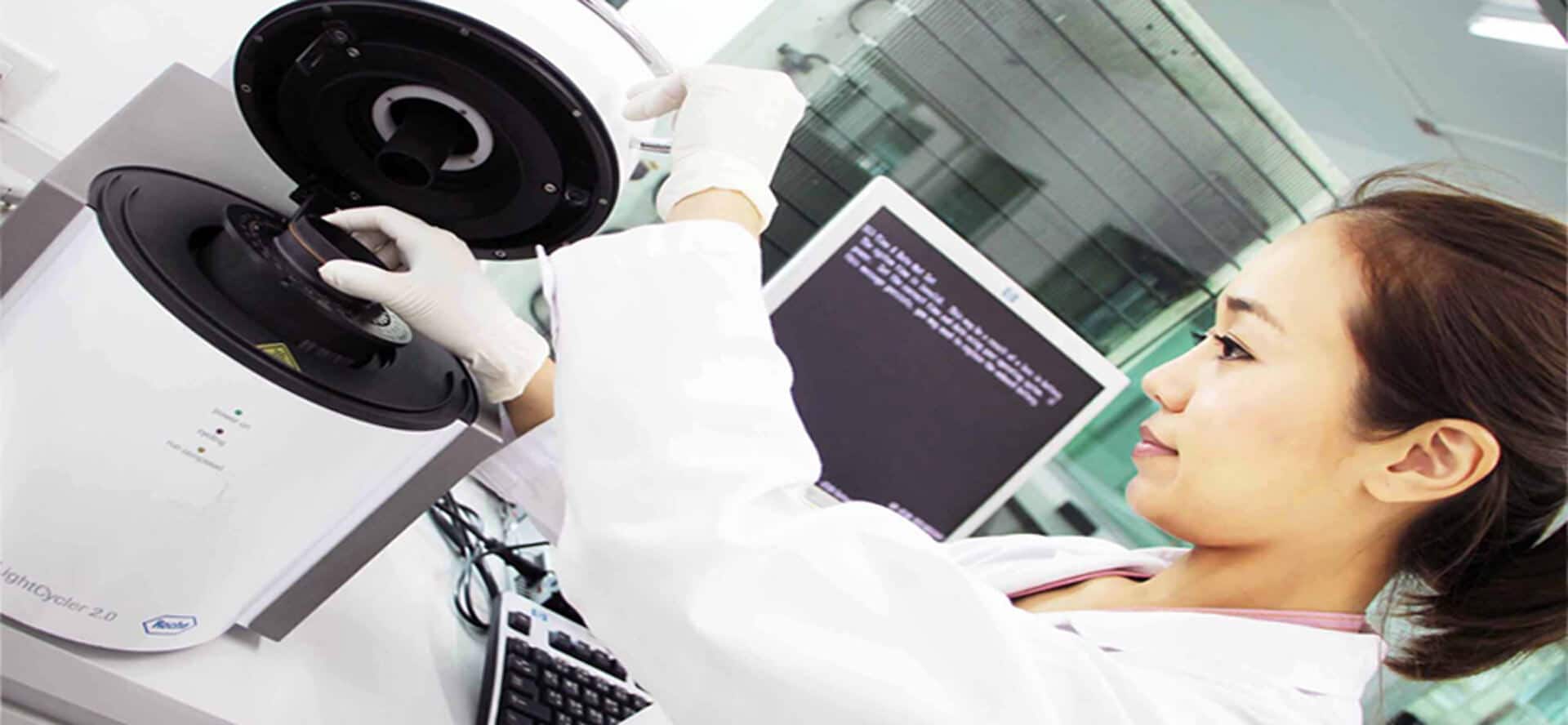
Enhanced visual alternative for Regeneration-Center-Lab-for-Stemcells-cell-culturing

Advancing regenerative medicine with compassionate, evidence-informed care