
Fibromyalgia Syndrome is also known as FM or FMS. Fibromyalgia is technically classified as a musculoskeletal disorder, but the condition is now 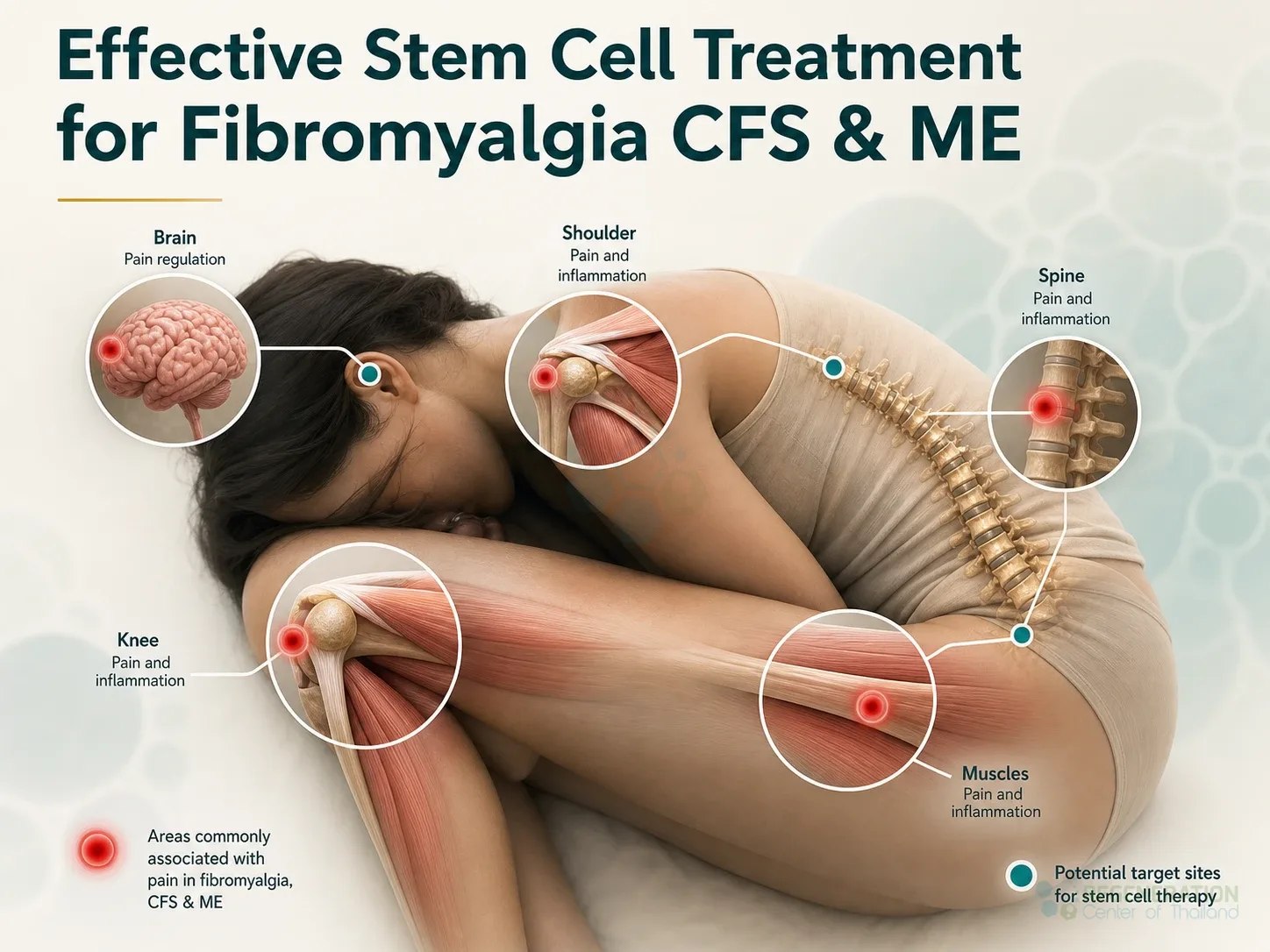 also being recognized as an issue relating to the central nervous system. Symptoms of FM include stiff, painful joints, chronic fatigue, and heightened pain sensitivity. It also manifests as symptoms at specific sites on the chest, arms, legs, or back. Other common symptoms include random migraines, irritable bowel syndrome, and sleep disorders, which are often the common theme among those suffering from Fibromyalgia. It is estimated that nearly 4% percent of the world’s population may be suffering from fibromyalgia syndrome. Despite advances in medicine, there is still no established cause for the syndrome, and the condition is sometimes difficult to diagnose clinically.
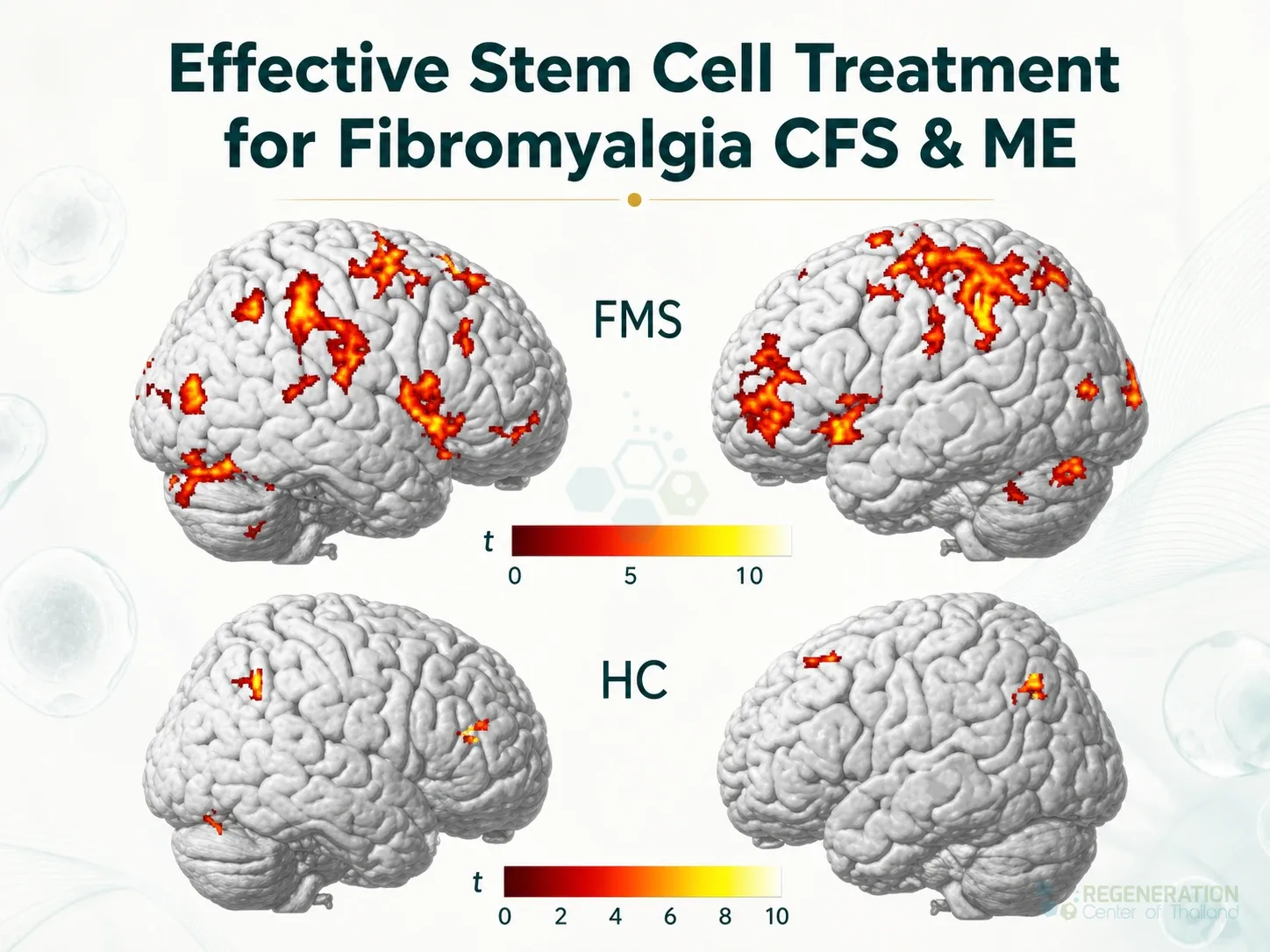
Symptoms of Fibromyalgia
The intensity of typical fibromyalgia symptoms varies from person to person and may be influenced by factors such as time of day or weather conditions. Because FMS is a long-term condition, symptoms often persist, although treatments such as regular exercise, sleep care, psychological therapies and some medicines can help many people manage them.
Fibromyalgia clinical trials and research have shown that most victims display pain in certain areas. In contrast, others may experience generalized discomfort, including muscle and tendon pain, similar to that observed in some patients with multiple sclerosis.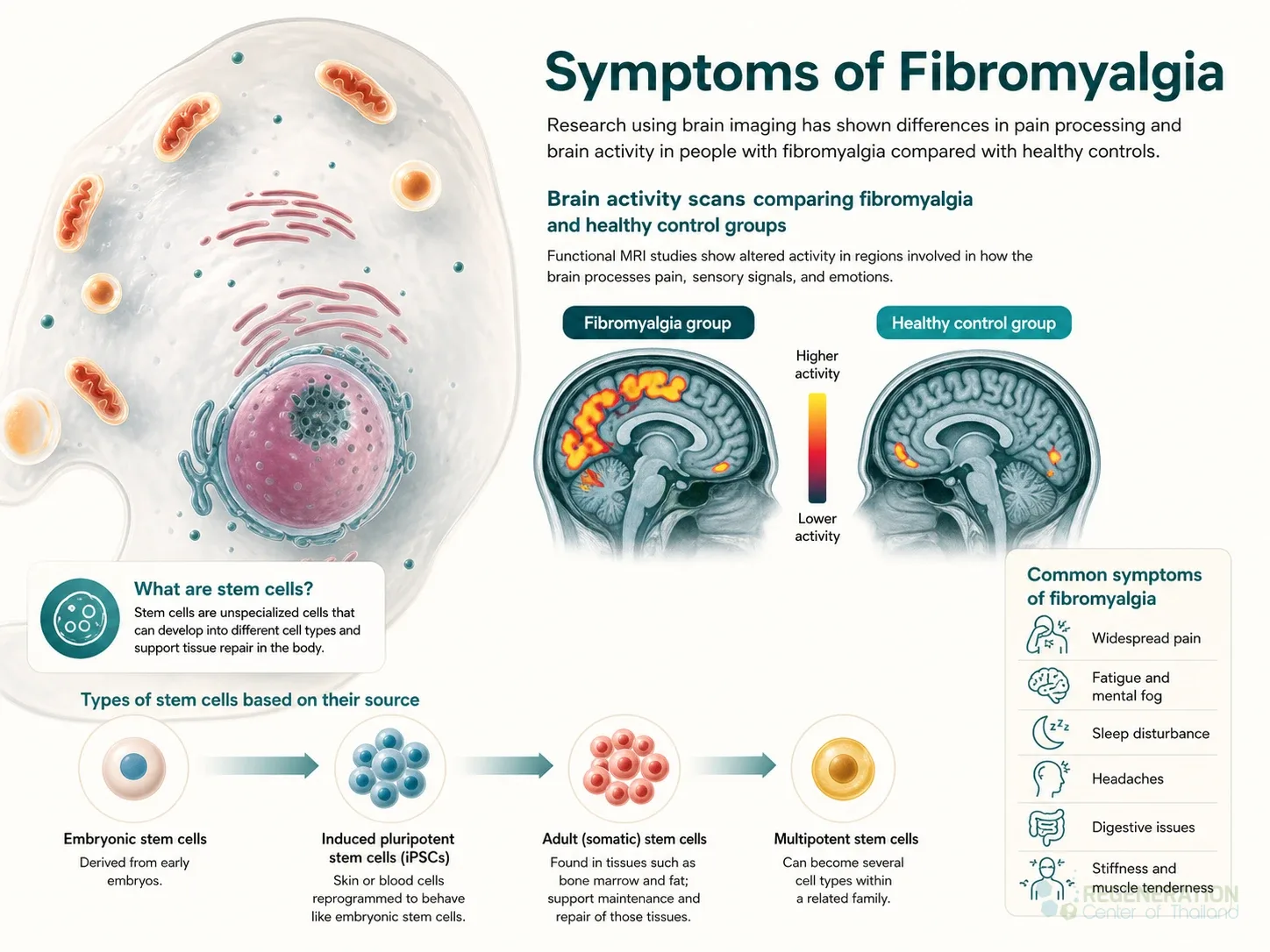
Other symptoms of Fibromyalgia include:
- Memory troubles.
- Sleep disruptions
- Sleep apnea
- Bruxism (teeth grinding)
- Severe Pain in the Knees
- Irritable bowel syndrome (IBS)
- Complex Regional Pain Syndrome (CRPS)
- Late-onset MG
- Lyme disease & CVID
- Systemic lupus erythematosus
- Inflammatory bowel diseases such as ulcerative colitis and Crohn’s disease – IBD
Treatment of Fibromyalgia with UC-MSC+ Stem Cells
Stem cells are considered the building blocks of life due to their remarkable potential and natural tendency to regenerate our bodies after injury. They are essentially the body’s pharmacy.
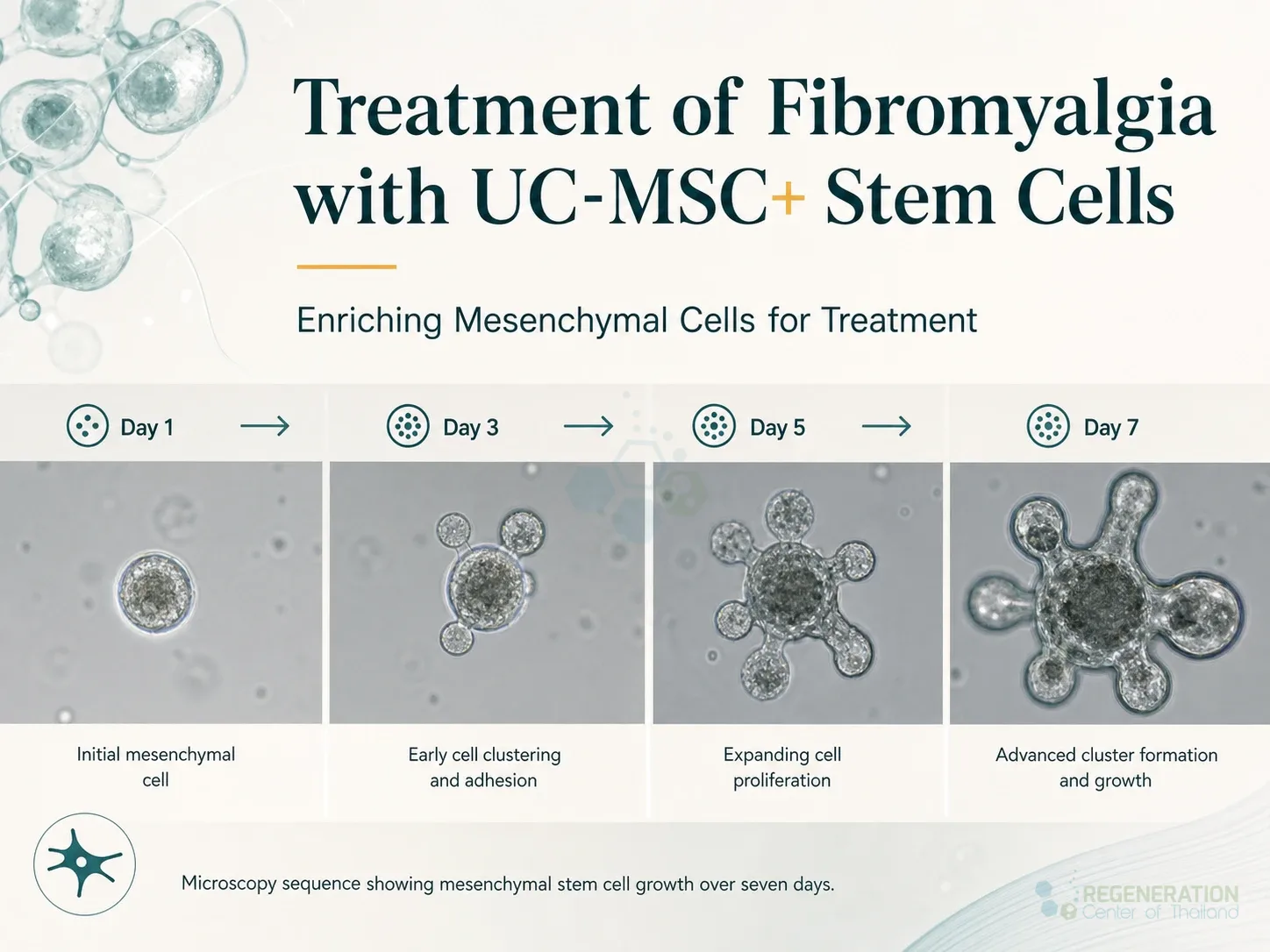
The Regeneration Center offers an effective treatment protocol for Fibromyalgia and Chronic Fatigue. Our protocol involves a series of multi-stage therapeutic injections of mesenchymal stem cells into the patient’s body for targeted regenerative UC-MSC+ therapy. Similar multi-stage treatments are also used for movement disorders, Cerebral Palsy, Diabetes type 2, heart disease, and lung disease, such as Idiopathic Pulmonary Fibrosis.
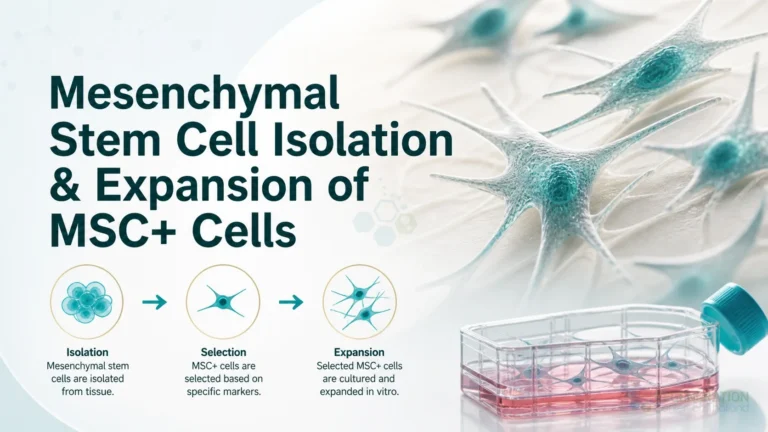
In distress, our bodies release a naturally occurring protein called SDF-1. This protein guides the movement of surrounding cells to initiate homing and help begin the healing process. This “homing” function enables your body’s newly introduced stem cells to travel to the appropriate areas for repair. Autologous (From Your Body) or Allogeneic (HLA-matched and Donated) stem cells are typically isolated from peripheral blood, cord tissue, placental tissue, bone marrow, or adipose fat.[1]
The cells are then processed and expanded in our Class 5 biomedical clean rooms, where our microbiologists can prepare your therapeutic doses of stem cells.[2]
The prepared UC-MSC-enriched stem cells and neurogenic growth factors are reinjected in multiple stages to promote rapid healing of previously damaged cells.
The ability to extract and expand stem cells for an extended period is unique to our treatments. Expansion or in vitro culturing of stem cells is prohibited in some countries, but is essential for managing FMS symptoms.[3]
Cell sources and terminology
A guide to the source labels used in the laboratory illustration.
- Adipose tissue
ADSC
- Bone marrow
BM-MSC
- Peripheral blood
PB-MSC
- Placental tissue
P-MSC
- Umbilical cord
UC-MSC
- UC-MSC+
The Regeneration Center’s terminology used in this article.

FMS & Chronic Fatigue Treatment Guidelines
The total number of stem cell infusions for FMS and CF will vary based on the patient’s needs.
Types of Cells Used for Fibromyalgia Treatment Protocol: Enriched UC-MSC+ Stem cells do not require any invasive surgeries to harvest seed cells, and the multi-stage cell infusions are usually made via intravenous Drips, Intrathecal delivery, or fluoroscopic guided delivery (hospital setting) might be necessary in some cases to bypass the blood-brain barrier. [4]
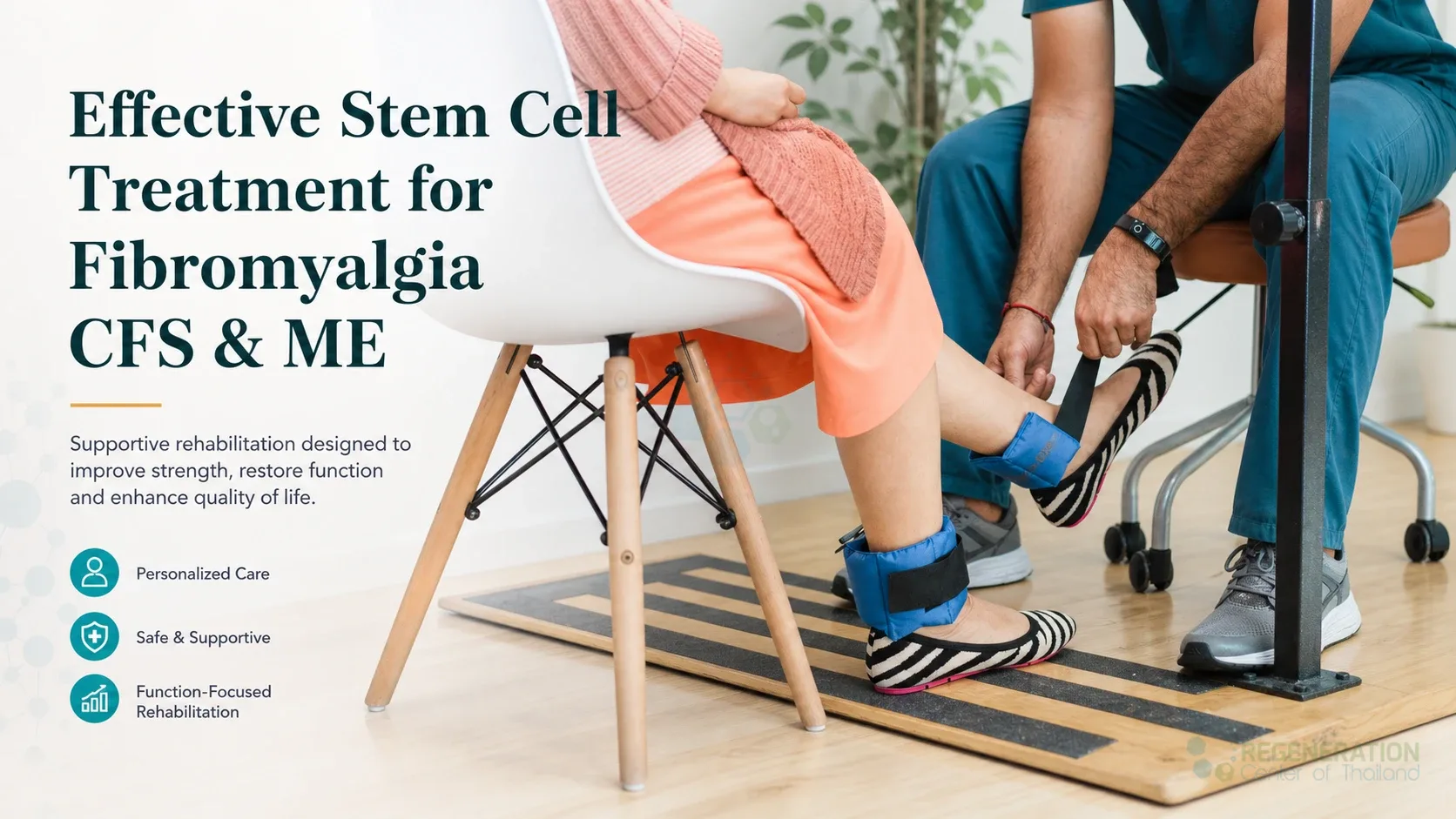
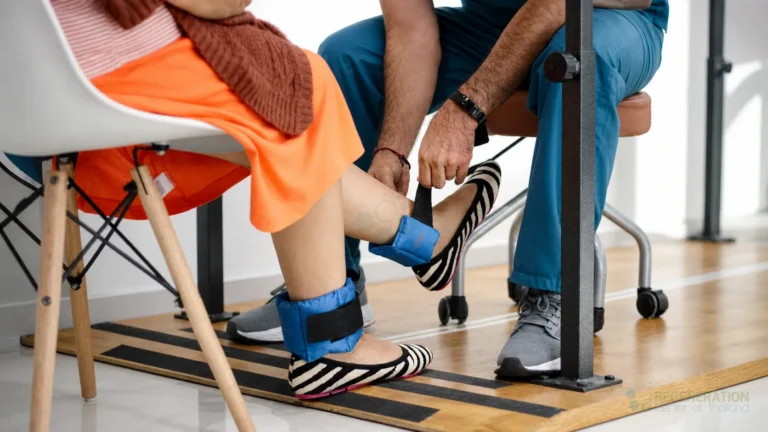
Post-Treatment Rehab, Optional: For fibromyalgia, exercise and physical rehabilitation are among the best-supported treatments, while people with ME/CFS need an individually paced plan, and we offer complete physical rehabilitation services post-therapy in Bangkok. Our rehabilitation team can assist you upon request for 2-5 hours per day, up to 6 days per week. Medical travel visa assistance and extended hotel or apartment accommodations for the patient and family can also be provided upon request.
Functional Healthcare – The Medicine of Connectivity
Treating Fibromyalgia with UC-MSC+ Stem Cells
Our multi-stage treatment for Fibromyalgia with Stem Cells will require 10-14 days in Bangkok, depending on the patient’s needs. Given the varying degrees, locations, and causes of injuries, our rheumatologist and medical team will need to understand a potential patient better before acceptance. Upon completion of the evaluation, a detailed treatment plan will be provided, including specific medical recommendations, a day-by-day calendar with stages, the exact total number of nights required, and the total medical-related costs (excluding accommodations or flights). To begin the qualification process for our multi-stage treatment protocol, please prepare your recent medical records, including blood and urine test results, and contact us.
Published Clinical Citations
[1] ^ Yeephu, Suwimon, Chuthamanee Suthisisang, Saithip Suttiruksa, Pradit Prateepavanich, Patchara Limampai, and Irwin Jon Russell. 2013. Efficacy and safety of mirtazapine in fibromyalgia syndrome patients: a randomized placebo-controlled pilot study in Thailand. The Annals of pharmacotherapy, no. 7-8 (June 4). doi:10.1345/aph.1R725. https://www.ncbi.nlm.nih.gov/pubmed/23737510
[2] ^ Gunduz, B, Y A Bayazit, F Celenk, C Saridoğan, A G Guclu, E Orcan, and J Meray. 2008. Absence of contralateral suppression of transiently evoked otoacoustic emissions in fibromyalgia syndrome. The Journal of laryngology and otology, no. 10 (March 4). doi:10.1017/S0022215107001569. https://www.ncbi.nlm.nih.gov/pubmed/18318918
[3] ^ Busse, Jason W, Shanil Ebrahim, Gaelan Connell, Eric A Coomes, Paul Bruno, Keshena Malik, David Torrance, et al. 2013. Systematic review and network meta-analysis of interventions for fibromyalgia: a protocol. Systematic reviews (March 13). doi:10.1186/2046-4053-2-18. https://www.ncbi.nlm.nih.gov/pubmed/23497523
[4] ^ Üçeyler, Nurcan, Daniel Zeller, Ann-Kathrin Kahn, Susanne Kewenig, Sarah Kittel-Schneider, Annina Schmid, Jordi Casanova-Molla, Karlheinz Reiners, and Claudia Sommer. 2013. Small fibre pathology in patients with fibromyalgia syndrome. Brain : a journal of neurology, no. Pt 6 (March 9). doi:10.1093/brain/awt053. https://www.ncbi.nlm.nih.gov/pubmed/23474848