

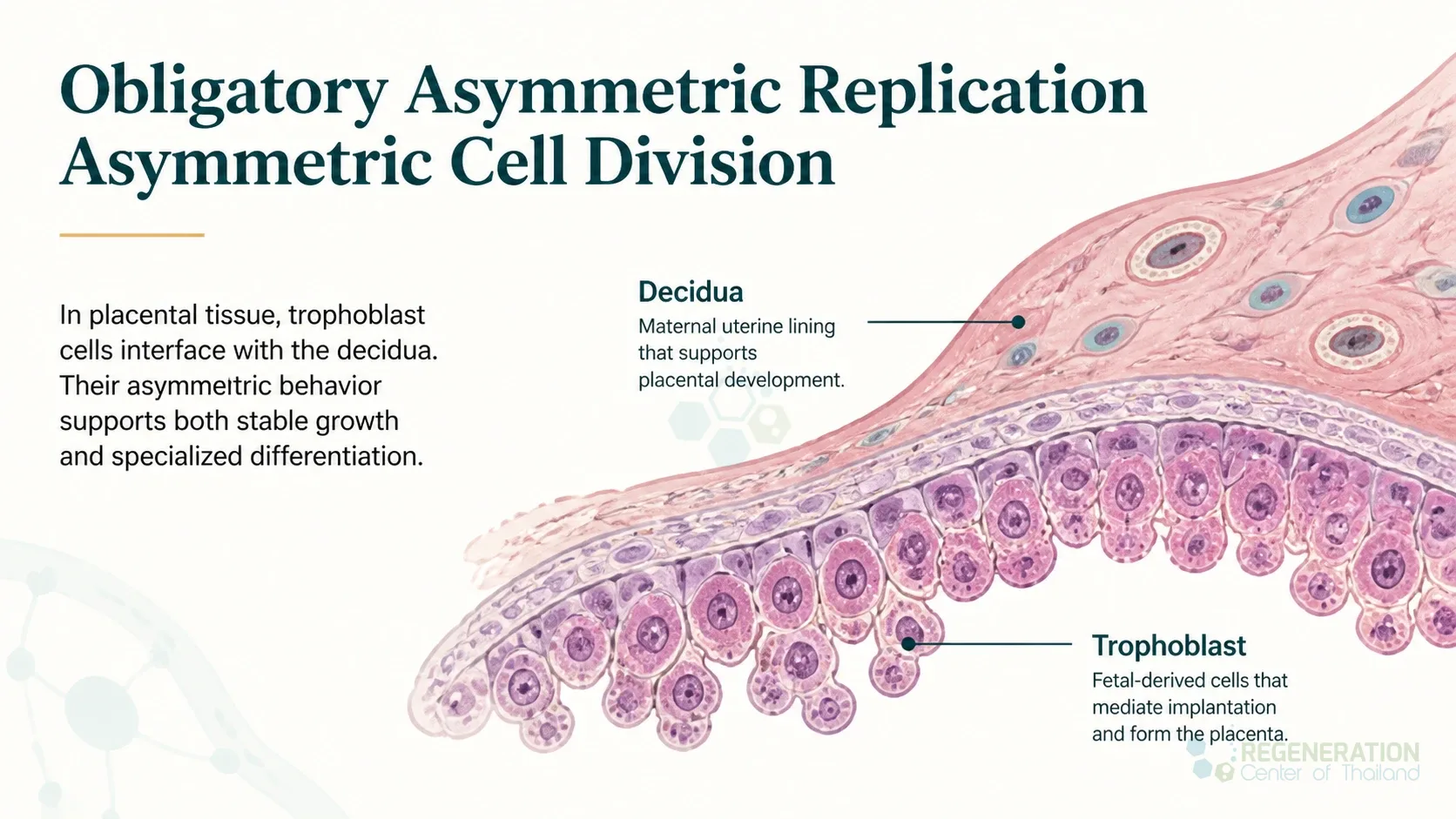
Several clinical studies have clearly demonstrated the benefits of stem cells. Peer-reviewed medical journals today are intent on finding the richest source of stem cells in the human body. Researchers have found that umbilical cord blood is rich in stem cells, which eventually paved the way for researchers to move away from the controversial embryonic stem cells. As a result of these trials, it was discovered that the placenta, which is usually discarded post-delivery, is also a very rich source of adult stem cells. Some papers have even suggested that the placenta may hold more stem cells than even cord blood. Placental Cells also have relatively weak surface antigens so they may be used in a wide variety of potential patients. Placenta derived cells can be banked just like cord blood and they are multipotent adult adult cells, so they are easier to control and manipulate for therapeutic use.
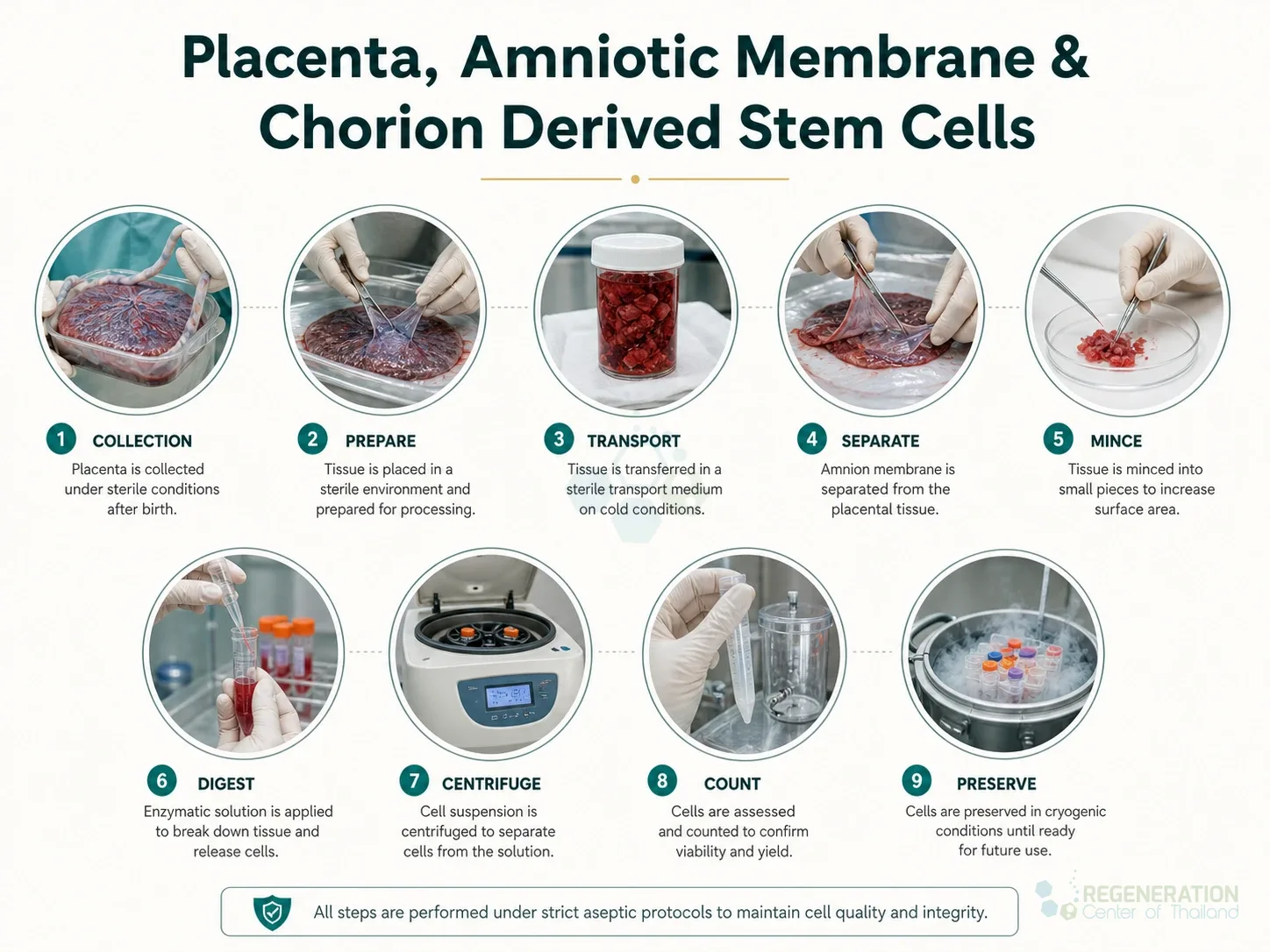
The placental stem cells are usually harvested from traditional birthing or from healthy mothers who choose to have elective Caesarean section.
Placenta-derived stem cells basically serve the same purpose as those found in the umbilical cord blood “UCB” and bone marrow. These multipotent cells are groomed to be the natures pharmacy in helping to treat chronic blood disorders such as leukemia, sickle cell anemia and thalassemia which is very prevalent in Thailand.
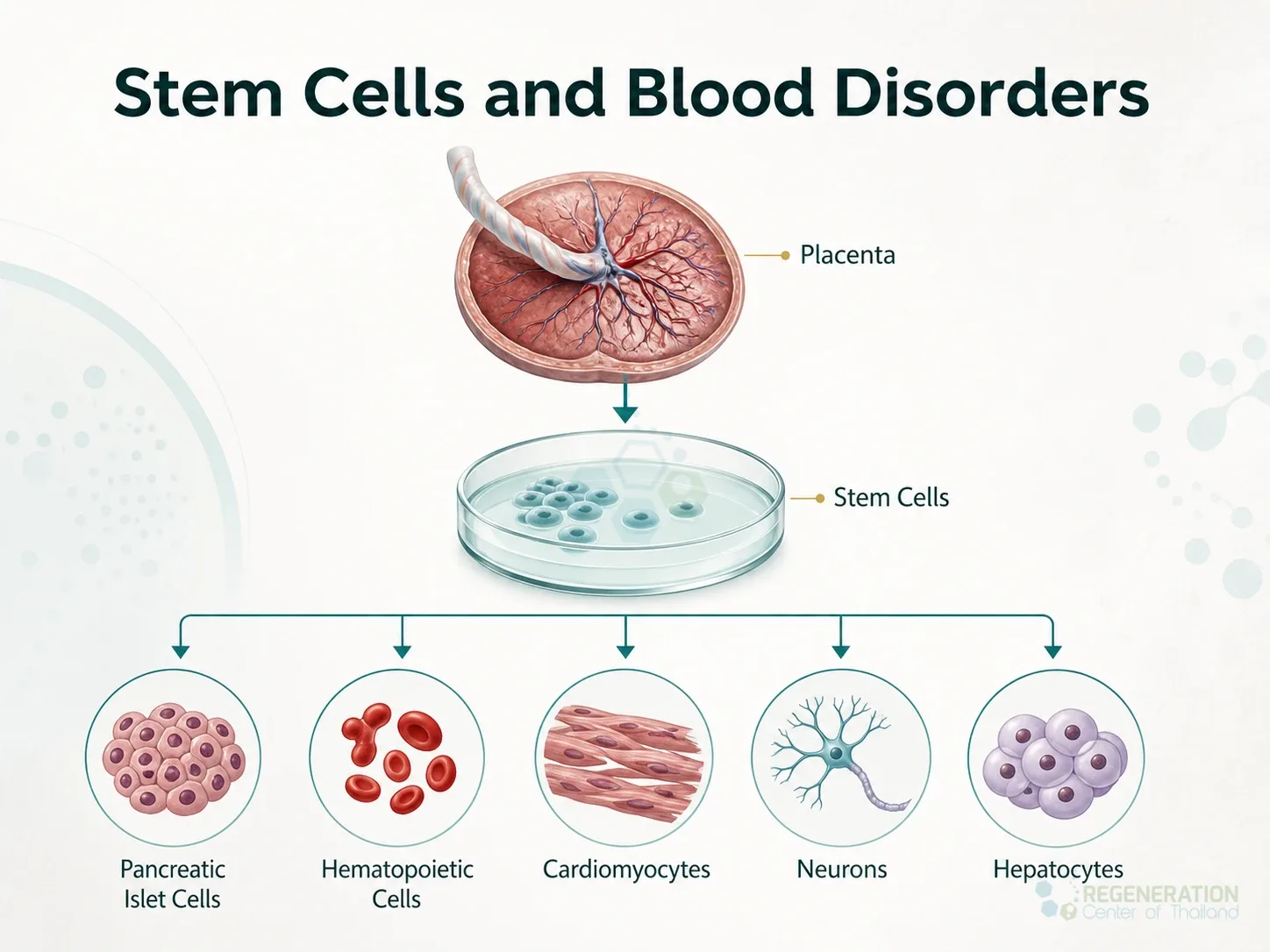
Stem Cells and Blood Disorders
Stem cells are essentially blank cells that are void of any particular characteristic or function up until they undergo the actual transformation. They could turn into a red blood cell, brain cell,skin cell or muscle cell, or retain their own identity as stem cells.
To date, there have been over 180 serious blood disorders that have been treated using stem cell transplants that have been harvested from the umbilical cord and placenta. A majority of these cases were however made possible through sibling donors. Many other potential success stories never got the chance to materialize due to it being a rare blood type that was unable to be matched.
Other diseases treated with human placenta derived stem cells Include:
- Ataxia
- Diabetes Type 2
- Congestive Heart Failure
- COPD
- Idiopathic Pulmonary Fibrosis
- Kidney Disease
- Liver Disease
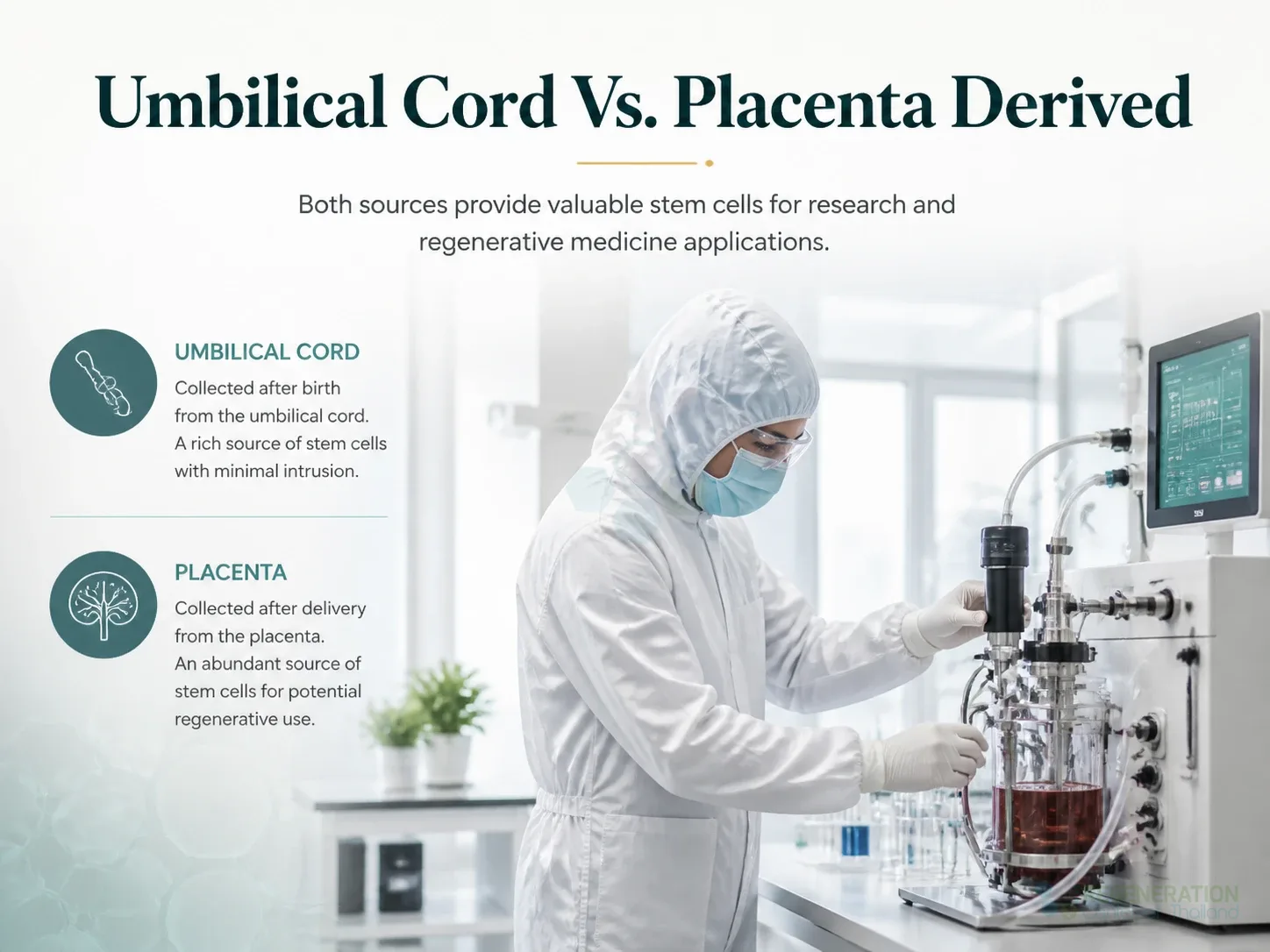
Umbilical Cord Vs. Placenta Derived
As mentioned earlier, clinical research has has shown that the placenta contains more stem cells than the umbilical cord. This is one of the major reasons why many doctors believe that placental cells are more valuable to bank for future use. A greater supply of banked placenta cells also means having a higher likelihood to having a ideal match with HLA or human leukocyte antigen for use in stem cell transplants.
Thai doctors are very positive in their outlook with regard to treating blood disorders since the discovery of placental stem cells. Many firmly believe that patients don’t suffer unnecessarily from serious blood diseases that can be treated without having to undergo extensive medical procedures. These surgical alternatives are significantly more harmful than stem cell transplants especially for those that will require the rampant use of potent prescription medications for the rest of their lives.
With stem cell transplants, the approach is much more natural because doctors are making use of natural human resources. Regenerative medicine is not a 100% solutions for all medical conditions and more research is still needed to determine the true capacity of stem cells in being the ultimate treatment for many traditionally fatal diseases.
Stem Cell Harvesting and Transplantation
Placenta-derived stem cells is very non-invasive and placental cells may be harvested safely to be stored indefinitely via stem cell banking or made available for use is other stem cell regeneration center treatments. Biologists are also looking into the possibility of cryogenically freezing the entire placenta and “defrosting” it later in time of medical emergency. After which time, stem cell extraction is performed with the aid of a special compound that enables viable stem cells to be separated. These techniques are still experimental but hold a lot of promise for helping humans eventually end some terminal conditions such as Blood disorders which continue to plague millions of women,men and children around the world.
To learn more about placenta derived adult stem cells please contact us today.
