
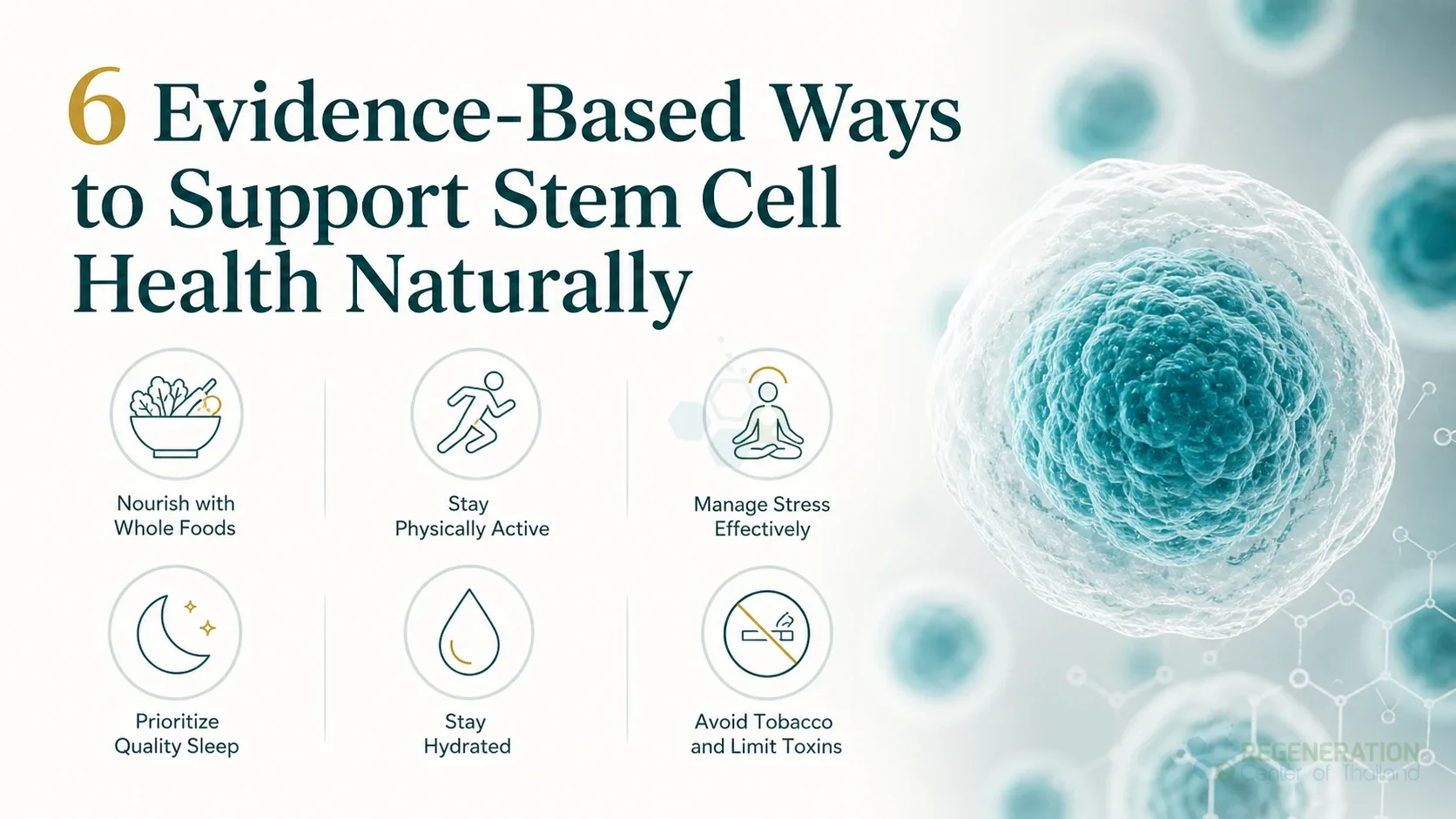
Stem cells are the fundamental building blocks of the human body. Cells can differentiate and reproduce any tissue, such as the heart, muscle, cartilage, bone, or liver. Newborn children have many circulating stem cells needed for development, which can quickly help them recover from infectious diseases and injuries. As we age, the number of circulating stem cells in the body declines each year, making healing and recovery much more difficult. Over the past 50 years, umbilical cord tissue-derived mesenchymal stem cells (UC-MSC) and peripheral blood stem cells have become increasingly popular for treating various diseases that are not responding to traditional pharmaceutical treatments. Currently, stem cells are being used to successfully treat several conditions, including liver cirrhosis, diabetes, chronic kidney disease, scarring of the myocardium tissue after a heart attack, MND, ALS, and COPD. Lab-purified MSCs+ stem cells and growth factors (unique adhesion molecules) help promote paracrine signaling that guides cells to damaged organs in the body, where they accumulate and initiate the regenerative process to restore proper function. What if you practice preventative care and want to learn how to naturally increase stem cells in the body?
Important Context
Medically Realistic Expectations
Healthy lifestyle changes may support the body’s normal repair mechanisms, including processes associated with stem cell function. However, no food, supplement, or habit can guarantee a major increase in stem cells, reverse disease on its own, or replace appropriate medical care.
The strategies below are best understood as supportive habits, not miracle cures. Their value lies in helping create a healthier internal environment that may support recovery, resilience, and overall cellular health over time.
How to Support Natural Stem Cell Function in 2026
What if you were already healthy and wanted to use stem cells as preventative medicine, but did not want to get stem cell transplants? Although less effective, endogenous stem cells can boost your health and circulating stem cell count. Here are six ways to increase your natural cell count.
1) A good, clean diet full of stem cell nutrients
Food is medicine, and our diets significantly influence our body’s natural regeneration cycles. Incorporating stem cell-friendly foods into your diet is a tremendous first step in promoting natural cell growth. Intermittent fasting is a stem cell activator and has been found to trigger rapid cellular regeneration. Berries such as blackberries, goji berries, pomegranates, blueberries, and raspberries all help increase superoxide dismutase (SOD), a powerful antioxidant. This enzyme is rich in inflammation-reducing flavonoids and is excellent for reducing oxidative stress, a vital factor in supporting optimal liver health and helping prevent joint pain. Learn more about the arthritis diet.
Ginger root is often used in Thai cooking to help settle upset stomachs. Ginger is also known to fight systemic inflammation by inhibiting arachidonic acid, a polyunsaturated fatty acid that can trigger an inflammatory response. Learn about the most common element in the human body.
Cruciferous vegetables such as cauliflower, Broccoli, kale, cabbage, bok choy, garden cress & Brussels sprouts are some of the best foods for stem cell growth. These veggies are rich in sulforaphane, a compound that boosts liver enzymes that counteract harmful toxins we might ingest or inhale. These green leafy vegetables are also packed with indole-3-carbinol, which helps reduce inflammatory agents in the bloodstream.
Mushrooms like maitake and shiitake are also high in micronutrients, known as polyphenols. These nutrients are stem cell enhancers and can be found in plant-based diets. They help protect and detoxify liver cells from dangerous toxins that can break down hormones in the body.
Seeds and Nuts are excellent snacks for women, providing protein and beneficial, healthy fat. They can keep you feeling full longer and help fight cravings. Seeds contain anti-inflammatory plant sterols, while nuts are filled with alpha-linolenic acid, an inflammatory-fighting omega-3 fat.
Seafood and Fatty fish are other powerful and natural adult stem cell activators. They contain several omega-3 fatty acids, including Eicosapentaenoic acid (EPA). EPA is most often found in cold-water fatty fish, and numerous stem cell research papers have proven that fish oil is a powerful antioxidant that helps lower the risk of developing heart disease.
2) Stop Smoking & Reduce Alcohol Intake

Alcohol and smoking cigarettes can have severe negative impacts on proper stem cell function. Research done over several decades has proven that people who smoke do not heal as well as non-smokers. Frequent consumption of alcohol leads to liver disease and brain oxidative stress due to chronic neuroinflammation. If you or a loved one is looking for an easy way to maximize your physical potential, drink moderately and stop smoking!
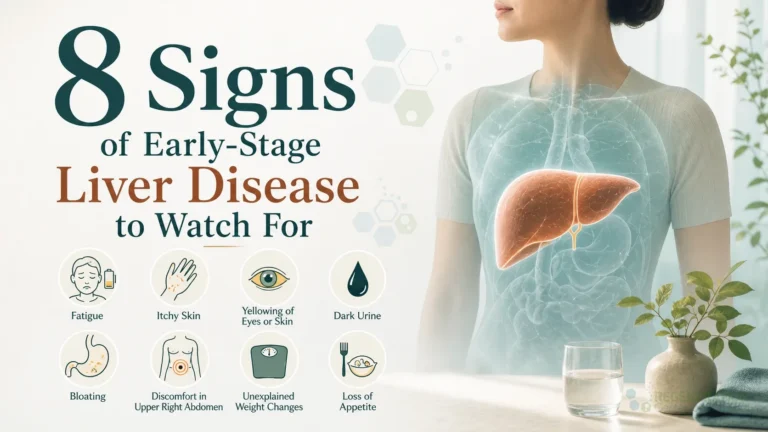
For readers with a history of heavy alcohol exposure or abnormal liver tests, these warning signs of liver damage can provide a patient-friendly checklist to discuss with a healthcare professional.
3) Have an Active Lifestyle & Exercise often
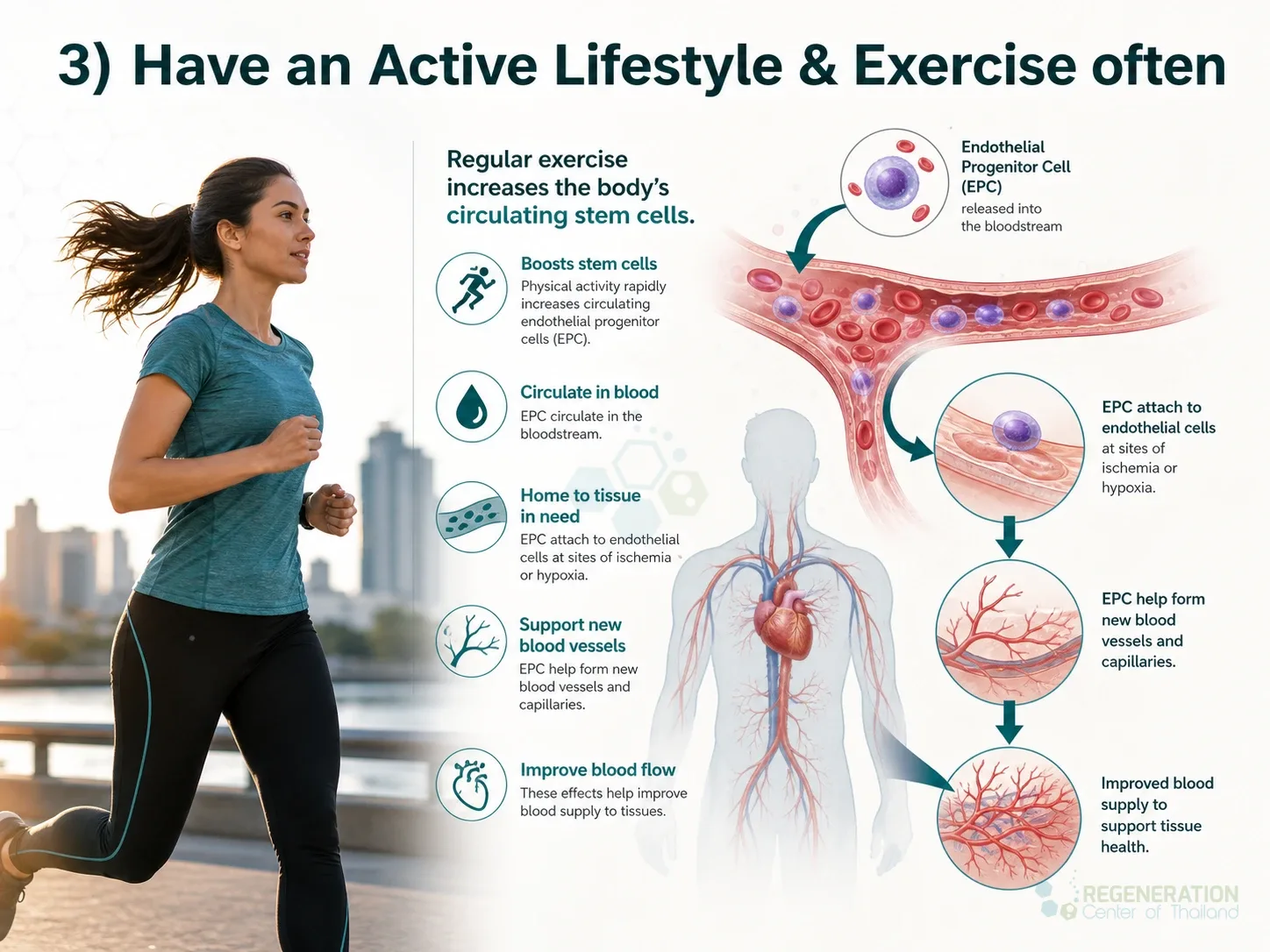
An active lifestyle with lots of exercise increases the body’s circulating stem cells. Frequently playing sports or going to the gym has dozens of positive effects on the cardiovascular and respiratory systems. Strenuous physical activity rapidly boosts the total number of circulating endothelial progenitor cells (EPC). EPC circulates in the bloodstream and attaches to endothelial cells at sites affected by ischemia or hypoxia. They also help form new blood vessels and capillaries, thus improving the blood supply to the heart. This loop helps to trigger regenerative processes in the endomyocardial heart muscle.
4) Get Good Sleep – Healthy Sleep Tips
Research at our stem cell institute has shown that lack of sleep or insomnia is very detrimental to stem cell function in the body. Reducing sleep to 4 hours (instead of 8) reduces stem cell migration by nearly 50%, whereas proper 7-8-hour sleep cycles do the opposite, restoring the quantitative and qualitative indices of circulating stem cells.
Sleep is when many of the body’s most important recovery and regulatory processes take place. During healthy, consistent sleep, the body shifts into a restorative state that supports hormonal balance, immune signaling, tissue repair, and the normal coordination of regeneration-related pathways. When sleep is cut short night after night, those same systems can become disrupted, making it harder for the body to maintain an optimal internal environment for repair and recovery.
Just as important as sleep duration is sleep quality. Fragmented sleep, frequent awakenings, irregular bedtimes, late-night screen exposure, excess caffeine, alcohol close to bedtime, and untreated sleep disorders such as sleep apnea can all reduce the restorative value of sleep. In other words, spending enough time in bed does not always mean you are getting the kind of deep, uninterrupted sleep your body needs.
For most healthy adults, the goal should be a consistent sleep routine that allows enough time for 7 to 9 hours of quality sleep on a regular basis. That means going to bed and waking up at roughly the same time each day, keeping the bedroom cool and dark, and reducing stimulation in the hour before bed. If you regularly wake up feeling unrefreshed, rely on caffeine just to function, or struggle with insomnia, snoring, or frequent nighttime waking, it may be worth speaking with a qualified healthcare professional to look for an underlying sleep issue.
5) Avoid Toxic Products and Environmental Chemicals
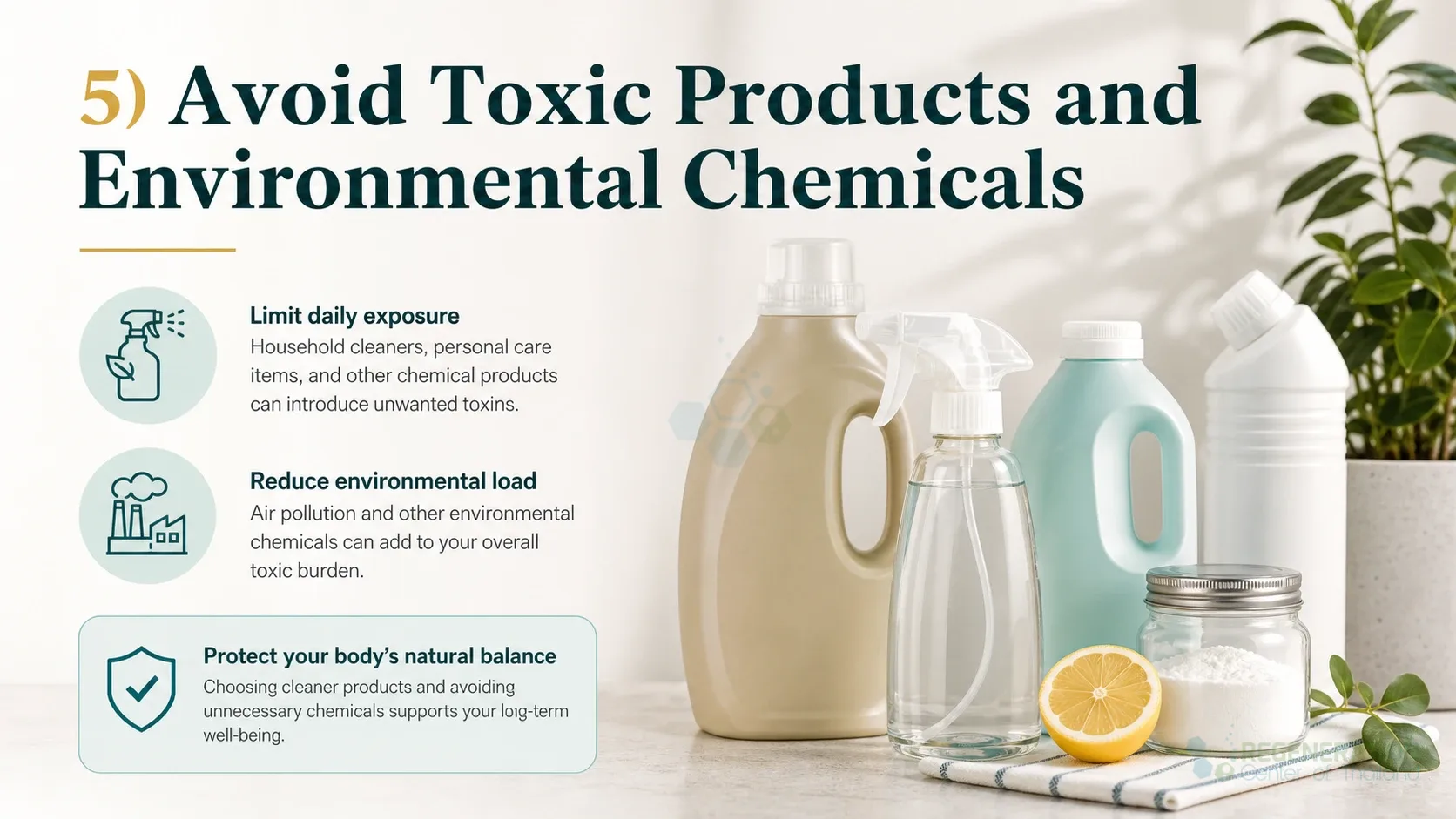
An unfortunate fact of modern life is that we get exposed to potentially thousands of harmful chemicals through the air, food, or personal products we use daily. Although the quantities of these dangerous chemicals are pretty low, the cumulative and daily exposure builds up over time. They can harm the body’s ability to maintain proper health and autoimmune responses that can lead to SLE lupus, and FMS. Many of these prevalent chemicals disrupt the critical pathways in cellular chemistry to regulate the immune system, hormone production, cancer formation, and nervous system function. It isn’t always easy to control these external factors, but we can make informed decisions about which products we buy and eat. Do the research and read the labels of any personal care products you might be considering buying, such as sunscreens, cleaning products, laundry products, teeth, and hair products.
6) Avoid Harmful & Toxic Medications
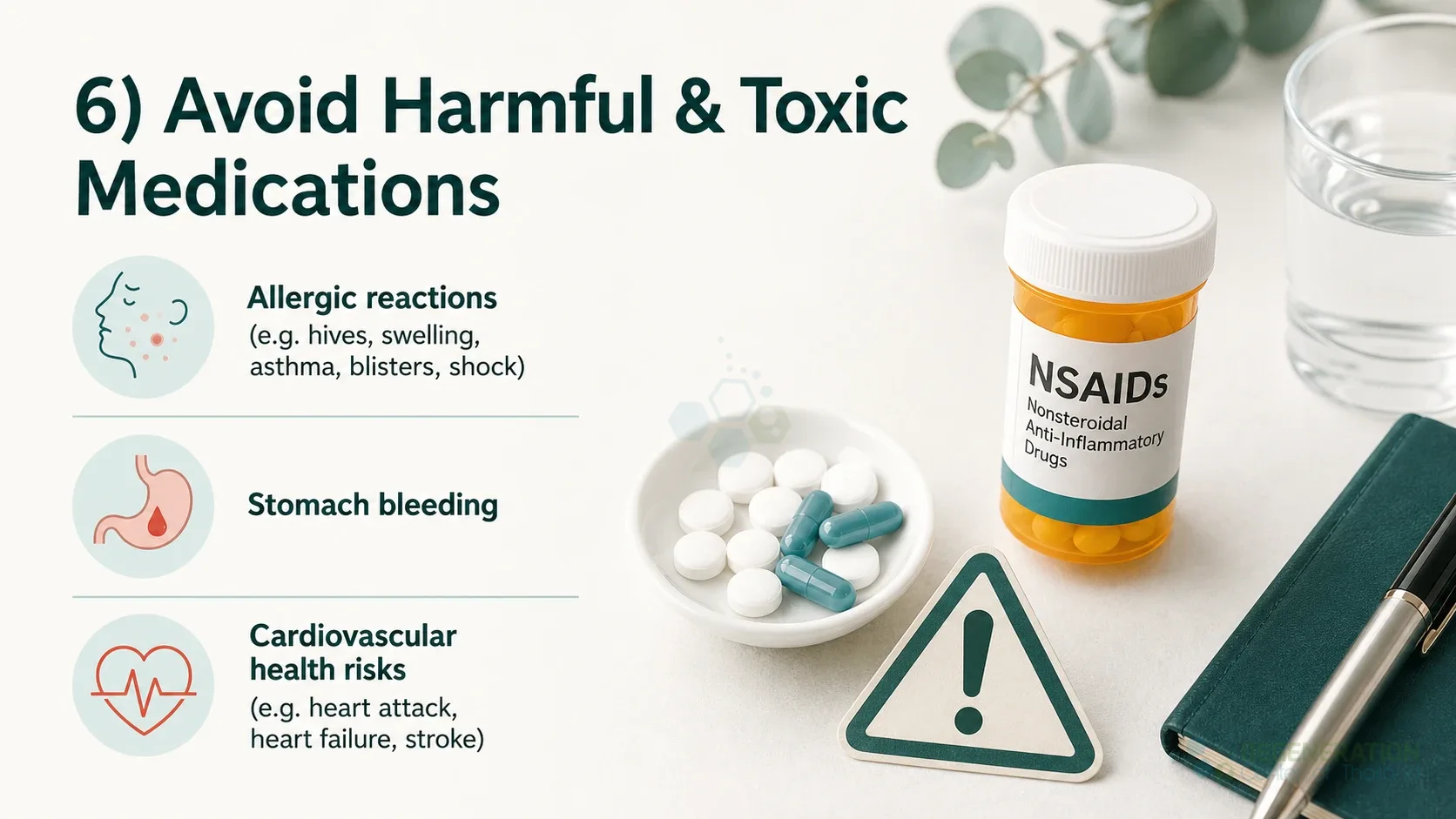
Based on our clinical experience, we’ve seen that certain over-the-counter and prescription medications may affect how circulating stem/progenitor cells migrate (“home”) to tissues and how they support repair processes. Some antibiotics, such as fluoroquinolones (for example, ciprofloxacin/Cipro and levofloxacin/Levaquin), have also been associated with tendon and cartilage side effects, which is one reason they should be used only when clearly indicated and under a clinician’s guidance. These powerful bacterial antibiotics are often prescribed for urinary and respiratory tract infections. Fluoroquinolones have many side effects and have been associated with orthopedic hip injuries and tendon ruptures in the knees. Ligaments in the body have their specific types of stem cells, so some medications damage those cells, resulting in the weakening or failure of those tendons. Over an extended period, these medications can lead to ruptures, degenerative disc disease, or chronic tendinopathy. Over-the-counter medications such as Non-Steroidal Anti-Inflammatory Drugs (NSAIDs) can also increase risks of getting an autoimmune disease, kidney failure, neuropathy, gastrointestinal issues (Crohn’s disease, UC, IBD), or brain strokes. Instead of resorting to synthetic NSAIDs such as Aleve, ibuprofen, Motrin, or Celebrex, try natural anti-inflammatories such as Turmeric Curcumin or Fish Oil that don’t carry such adverse side effects.
The rapid pace of scientific discovery in stem cell science continues to accelerate. Still, it’s important to note that a stem cell procedure can only be effective in the long term if your stem cells are healthy. Focus on these six ways to naturally improve circulating bone marrow stem cells to optimize your health or achieve the best possible results from an upcoming therapy. If you want to learn more about stem cells’ regenerative potential, contact the Regeneration Center today.
Frequently Asked Questions
Questions About Supporting Stem Cell Health Naturally
These answers are intended for general educational purposes and should not replace personalized medical advice.
Can you really increase stem cells naturally?
Healthy habits may help support the body’s normal regenerative processes, but there is no guaranteed way to dramatically increase stem cells naturally. Factors such as age, sleep, exercise, nutrition, inflammation, and smoking status may influence cellular health over time.
What lifestyle habits may help support stem cell health?
Habits commonly associated with better overall cellular health include regular exercise, adequate sleep, a nutrient-dense diet, stress reduction, avoiding smoking, and limiting excess alcohol intake. These habits support the body’s normal repair environment rather than acting like a direct medical treatment.
Does exercise help support stem cell function?
Regular physical activity is associated with better circulation, metabolic health, and lower inflammation, all of which may help support the body’s natural repair systems. Exercise should always be appropriate for your age, fitness level, and medical condition.
Are there foods that help support stem cell health?
A balanced diet rich in protein, fiber, healthy fats, vegetables, fruits, and micronutrients may help support overall cellular health. No single food can guarantee a major increase in stem cells, but long-term dietary quality can influence the body’s repair and recovery environment.
Do supplements increase stem cells?
Some supplements are marketed with strong claims, but evidence is often limited or mixed. Supplements should not be treated as a substitute for sleep, exercise, nutrition, or proper medical care. It is best to review any supplement plan with a qualified healthcare professional.
Can natural methods replace stem cell therapy or medical treatment?
No. Lifestyle habits may support general health, but they do not replace a physician’s evaluation, evidence-based treatment, or a medically supervised regenerative care plan. People with chronic or serious conditions should seek professional medical guidance.