
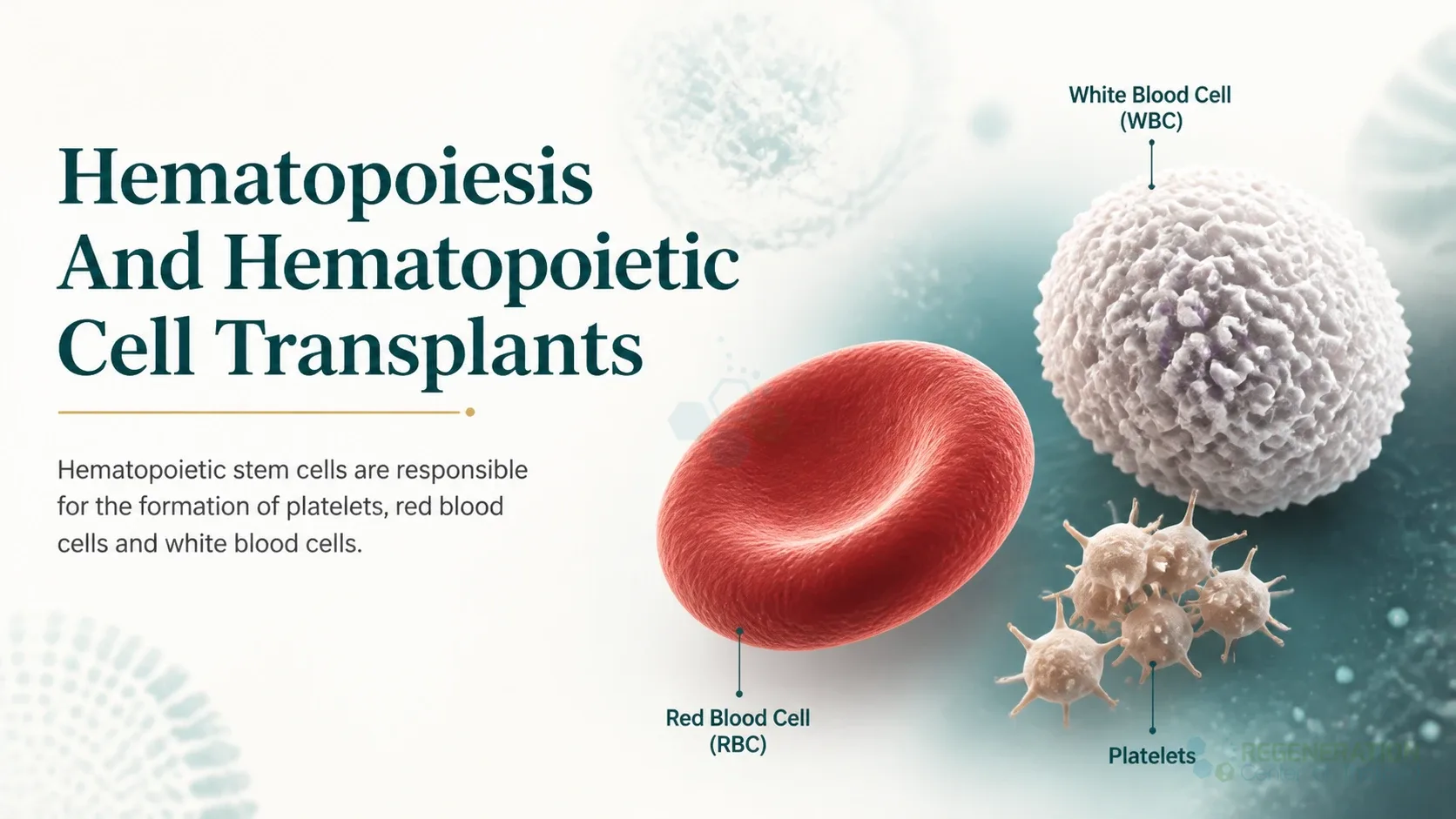
Hematopoietic stem cells are variants specifically found in bone marrow or blood in the umbilical cord, which is responsible for the formation of platelets, as well as RBCs (red blood cells) and WBCs (white blood cells). Hematopoietic stem cells (HSCs) are also known as blood-forming stem cells, because they give rise to all types of blood cells. Through the blood and immune cells they produce, hematopoietic stem cells help carry oxygen, fight infection and control bleeding throughout the body. Blood-forming tissue is one of the fastest-renewing tissues in adults, along with the skin and the lining of the gut.[1]
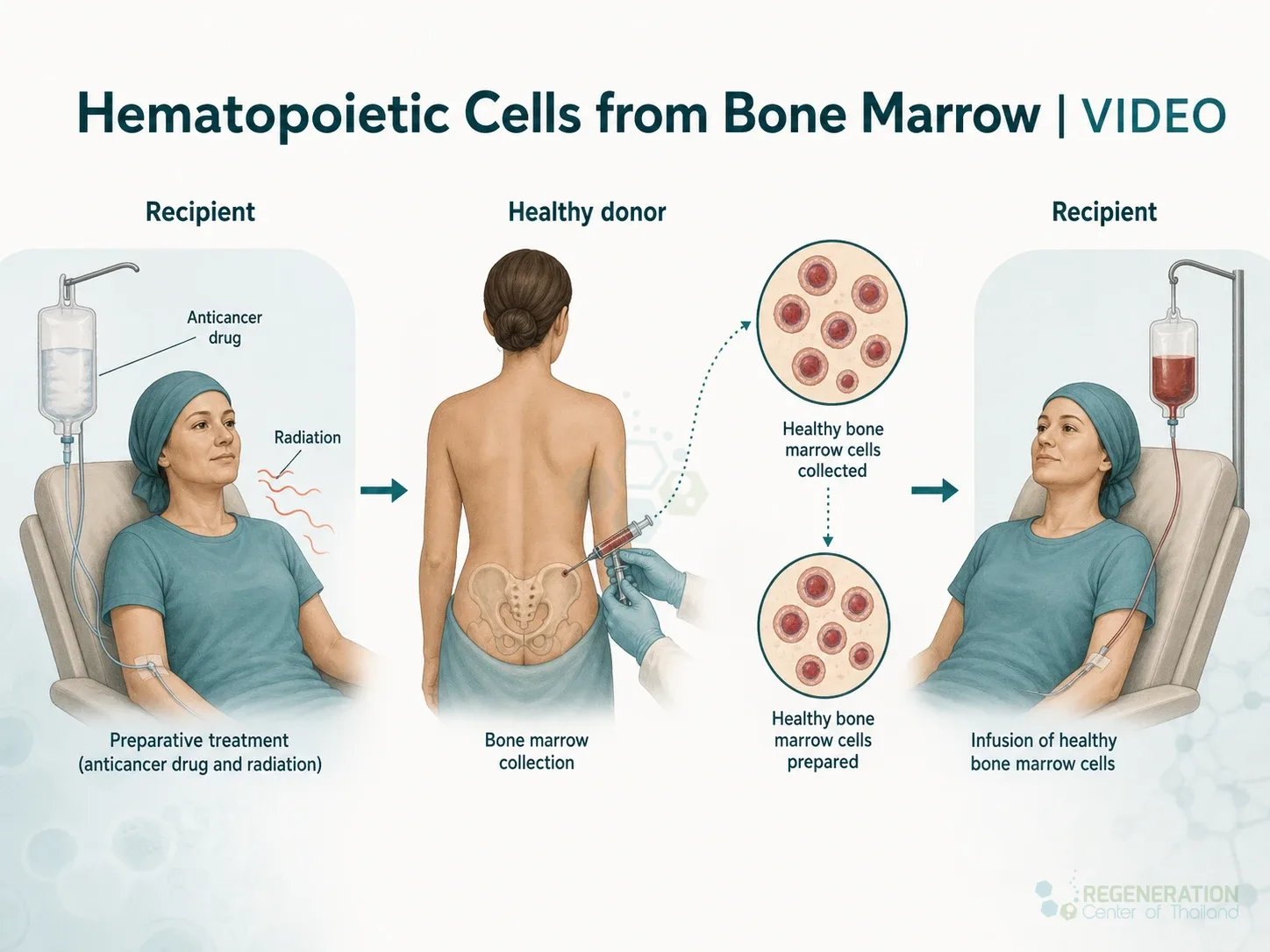
Hematopoietic Cells from Bone Marrow | VIDEO
The cells that form blood and immune cells are called hematopoietic stem cells (HSCs). The body makes hundreds of billions of new blood cells every day. Doctors have understood and capitalized on this particular fact for over 55 years now in treating many types of medical illnesses and disorders.[2]
A hematopoietic stem cell isolated in the blood or bone marrow and can self-renew. Adult stem cells such as HSCs can differentiate into all the different types of blood and immune cells. These cells can literally order your bone marrow into producing and circulating blood cells.
Cell Markers with a flow cytometer May Be Used to Recognize Hematopoietic Stem Cells for use in therapies.
Hematopoietic cells in the bone marrow ca do 4 things:
1) Renew Themselves
2) Differentiate
3) Mobilize bone marrow into circulation more cells for repairs using cytokines
4) Undergo a programmed cell death known as apoptosis
Sources of Hematopoietic Stem Cells
- Bone Marrow
- Peripheral Blood
- Placenta Blood
- Umbilical Cord Blood
- Adipose Tissue
- Embryonic Stem Cells
- Induced Pluripotent Stem Cells
Effectiveness of Peripheral Blood Vs Bone Marrow Derived Cells
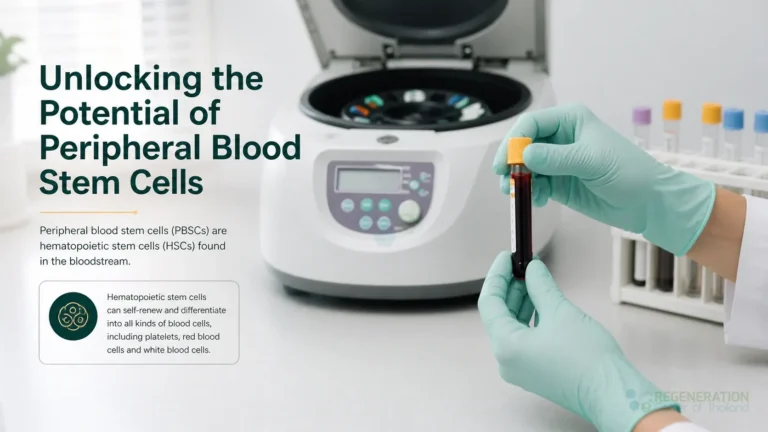
Peripherally harvested from the white blood cells have a few advantages over bone marrow derived. Peripheral blood stem cells are usually easier to collect than bone marrow and avoid a bone marrow harvest, although collection still involves daily growth factor injections and a needle or catheter for apheresis. Creating differentiated white and red blood cells are the work of HSCs and progenitor cells. [3]
Regeneration Center offers Clinical Uses of Hematopoietic Cell lines for:
- Familial Blood Disorders – allogeneic bone marrow transplants found in treatment of hereditary blood disorders, such Thalassemia and familial anemia
- Hematopoietic Cell Transplants after Cancer treatments and Chemotherapy
- Treatment of Autoimmune Diseases and Diabetes Mellitus
- Treatment of Congestive Heart Disease
To learn more about Hematopoietic stem cells or if you have any other questions or requests please contact us today.
Published Clinical Citations
[1] ^ Wongwuttisaroj, Natta, Sasijit Vejbaesya, Viroje Chongkolwatana, and Surapol Issaragrisil. 2012. Analysis of KIR genes in HLA-identical sibling hematopoietic stem cell transplantation in Thai patients with leukemia. Journal of the Medical Association of Thailand = Chotmaihet thangphaet, no. 10. https://www.ncbi.nlm.nih.gov/pubmed/23193738.
[2] ^ Leelahavarong, Pattara, Usa Chaikledkaew, Suradej Hongeng, Vijj Kasemsup, Yoel Lubell, and Yot Teerawattananon. 2010. A cost-utility and budget impact analysis of allogeneic hematopoietic stem cell transplantation for severe thalassemic patients in Thailand. BMC health services research (July 16). doi:10.1186/1472-6963-10-209. https://www.ncbi.nlm.nih.gov/pubmed/20633303.
[3] ^ Chotinantakul, Kamonnaree, and Wilairat Leeanansaksiri. 2012. Hematopoietic stem cell development, niches, and signaling pathways. Bone marrow research (July 30). doi:10.1155/2012/270425. https://www.ncbi.nlm.nih.gov/pubmed/22900188.