
We recently experienced the powers of a ground-breaking vaccine against COVID-19 thanks to mRNA technology, but it has even more potential to democratize access to bleeding-edge medical advancements. Messenger RNA or “mRNA” is a single-stranded RNA involved in protein synthesis. Although the blueprint for proteins in living cells was discovered six decades ago, its pharmaceutical potential was long overlooked. mRNA degradation prevention didn’t look promising; it was too unstable, not very effective, and inflammatory [1].
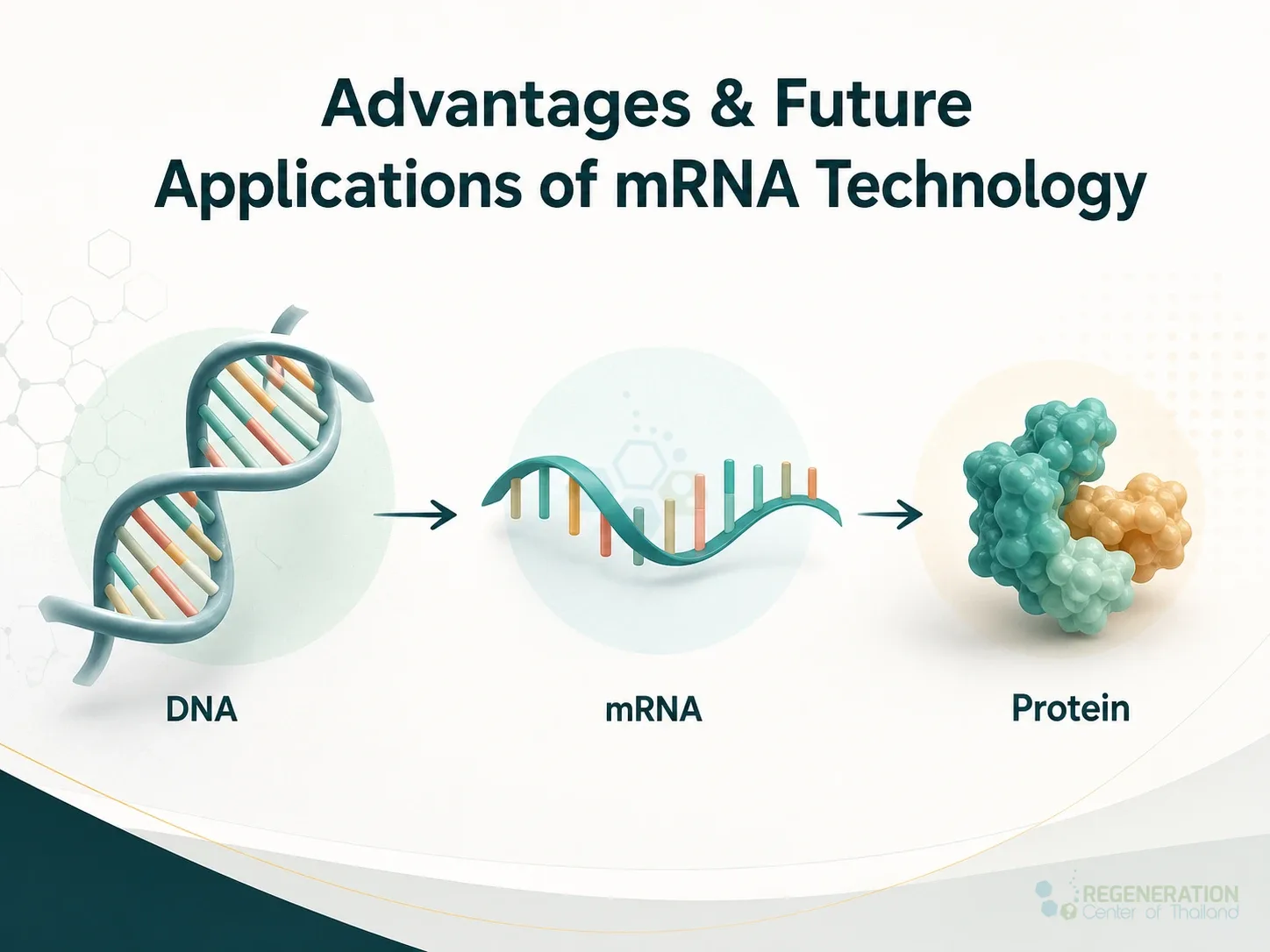
What does mRNA do?
Each mRNA messenger carries instructions to make a specific protein. These instructions act like a blueprint. mRNA then delivers these instructions for cells to put the protein together in a process known as translation. mRNA messengers carry protein building information from DNA in the cell’s nucleus all the way to the cell’s watery interior (cytoplasm), where our protein-producing machines read the mRNA sequences and translates each three-base mRNA codon (nucleotide triplets) into its corresponding amino acid inside a growing protein chain.
The future of mRNA
History of mRNA
Researchers have been experimenting with mRNA-based vaccines and treatments for several decades already. The first treatments were performed on rodents back in the early 1990s, for several diseases including diabetes and cancer. A first in medical history, the successful creation of the first mRNA vaccines against Covid-19 in 2020 was hailed as a triumph. The rapidly iterative advancements we mostly fueled by the independent contributions of scientists and researchers from all over the world. Researchers value mRNA for its adaptability and its capacity to activate the immune system. After the mRNA has been used to make protein, cells break it down naturally, usually within days to weeks [3].
The ability to deliver mRNA molecules to the proper immune cells in the body, as well as to increase its stability and effectiveness, were all things the medical world learned how to do. This 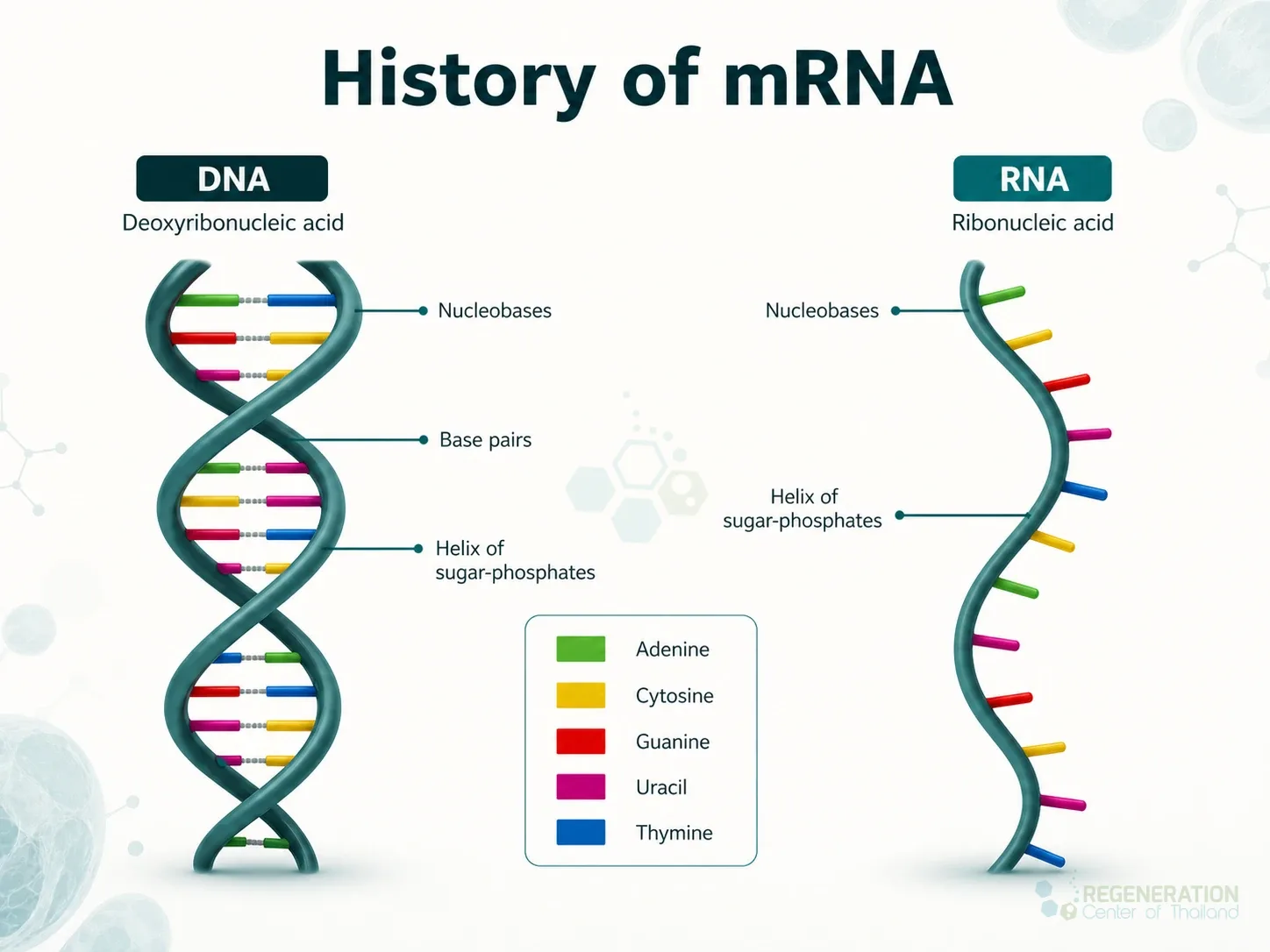 advancement made it possible to develop potent mRNA to amino acid vaccines that, when given to humans in small doses, trigger strong immune responses. Furthermore, researchers are able to develop quick, scalable procedures to produce fresh vaccine candidates for clinical use in a matter of a few weeks.
mRNA Therapy
Beyond the coronavirus, mRNA lipids have many other applications. Malaria, Dengue fever and tuberculosis are some of the oldest and deadliest pathogens in the world, and doctors are learning to use this technology to combat them more effectively. Each year, there are more than 10 million new cases of tuberculosis worldwide, according to the World Health Organization.[2] The medical need is even greater for malaria because some reports estimate over 230 million malaria cases each year, with the majority of deaths occurring in children under the age of five.
mRNA technology: Advantages and limitations
New research tools, from next-generation sequencing to advances in cell biology, have helped researchers identify better vaccine targets and understand the pathogens that cause tuberculosis (a bacterium), dengue (a virus) and malaria (a parasite). Modeling of proteins’ three-dimensional structures is now possible thanks to the ongoing revolution in computational protein structure prediction models. This enables researchers to identify the parts of these proteins that make the best targets for the creation of vaccines[4].
Do mRNA Vaccines Contain Human Cells?
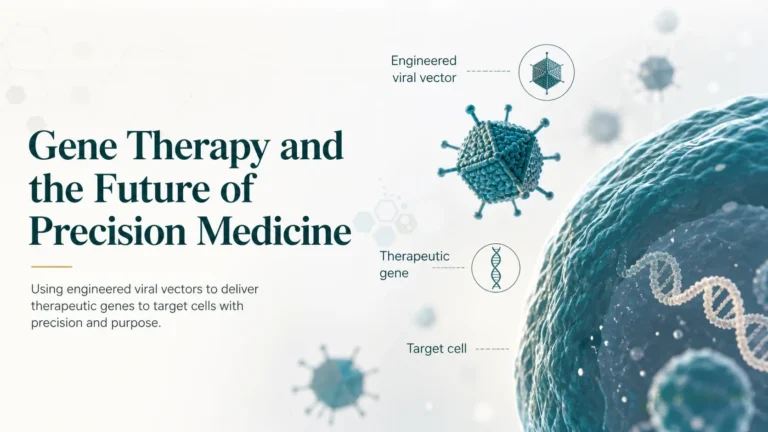
The Pfizer and Moderna pure mRNA synthesis do not not use any stem cells. The vaccines from AstraZeneca and Johnson & Johnson vaccines use adenovirus as a vehicle to deliver spike protein genes to the cells and these viruses need to grow in those cells. After culturing, the adenovirus is harvested from the cells and purified so that the final vaccine contains only the virus vehicle and no human cells. These adenovirus vaccines were linked to a rare but serious clotting disorder with low platelets, which in some cases caused clots in the brain and could increase risk of strokes. The initial cell line for AstraZeneca did come from human kidney cells. However, they were obtained over 50 years ago and the current iteration does not contain any human cells.
mRNA-Based Genetic Reprogramming
mRNA technology allows quickly testing hundreds of potential vaccine targets. Furthermore, we can combine various mRNAs, each of which encodes a distinct pathogen antigen, into a single vaccine. An mRNA-based vaccine can also be designed to train the human immune system to recognize several weak points in a pathogen at once. It does not test for genetic abnormalities, which requires separate genetic tests. mRNA vaccine candidates against malaria and tuberculosis that combine well-known and novel targets have entered early clinical trials. If successful, the effort might alter how we prevent these diseases and eventually help to eradicate them.
mRNA-based targeted cancer treatments, including personalized cancer vaccines, are being studied, mostly in early clinical trials, for cancers such as:
- Kidney Cancer
- Lung Cancer
- Liver Cancer
- Pleural mesothelioma
- Pancreatic Cancer
- Prostate Cancer
- Colorectal Cancer
- Multiple Myeloma
A potential benefit of mRNA cancer therapies is that they can be tailored to an individual patient’s tumor, prompting the immune system to attack the tumor cells. They are still being tested, often alongside other treatments, and while their side effects differ from the harmful side effects of traditional chemotherapy, they can cause side effects of their own, such as fever, fatigue and injection-site reactions.
Other mRNA vaccines and mRNA-based therapies that are currently being developed include:
- HIV
- RSV (respiratory syncytial virus)
- Zika Virus
- Epstein-Barr virus
- Cystic Fibrosis
- Shingles
- Parkinson’s Therapy
- Flu
As research continues, mRNA technology may become more widely available and could affect many areas of medicine.
Published Clinical Citations
[1] ^Qin S, Tang X, Chen Y, Chen K, Fan N, Xiao W, Zheng Q, Li G, Teng Y, Wu M, Song X. mRNA-based therapeutics: powerful and versatile tools to combat diseases. Signal Transduct Target Ther. 2022 May 21;7(1):166. doi: 10.1038/s41392-022-01007-w. PMID: 35597779; PMCID: PMC9123296.
[2] ^Saita S, Maeakhian S, Silawan T. Temporal Variations and Spatial Clusters of Dengue in Thailand: Longitudinal Study before and during the Coronavirus Disease (COVID-19) Pandemic. Trop Med Infect Dis. 2022 Aug 8;7(8):171. doi: 10.3390/tropicalmed7080171. PMID: 36006263; PMCID: PMC9414305.
[3] ^Coppin L, Leclerc J, Vincent A, Porchet N, Pigny P. Messenger RNA Life-Cycle in Cancer Cells: Emerging Role of Conventional and Non-Conventional RNA-Binding Proteins? Int J Mol Sci. 2018 Feb 25;19(3):650. doi: 10.3390/ijms19030650. PMID: 29495341; PMCID: PMC5877511.
[4] ^Fan XY, Lowrie DB. Where are the RNA vaccines for TB? Emerg Microbes Infect. 2021 Dec;10(1):1217-1218. doi: 10.1080/22221751.2021.1935328. PMID: 34036874; PMCID: PMC8216257.