
When discussing cutting-edge cancer treatments, NK cell therapy stands out for its unique approach to harnessing the body’s natural defenses. Instead of relying on aggressive chemicals or radiation, this method uses natural killer cells to directly target and eliminate cancer cells. It’s an innovative way to minimize harm to healthy tissues and improve patient outcomes. While still in its early stages, the potential for NK cell therapy to revolutionize cancer treatment has already become evident. But what exactly makes these cells so effective, and how does the Regeneration Center harness their power?
Understanding NK Cells
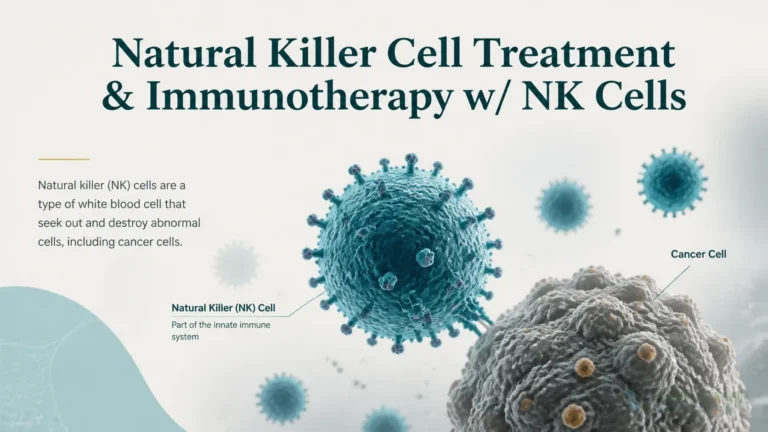
Natural Killer (NK) cells are a vital part of your body’s innate immune system, which targets and destroys cancerous and infected cells. These cells act as your body’s first line of defence, constantly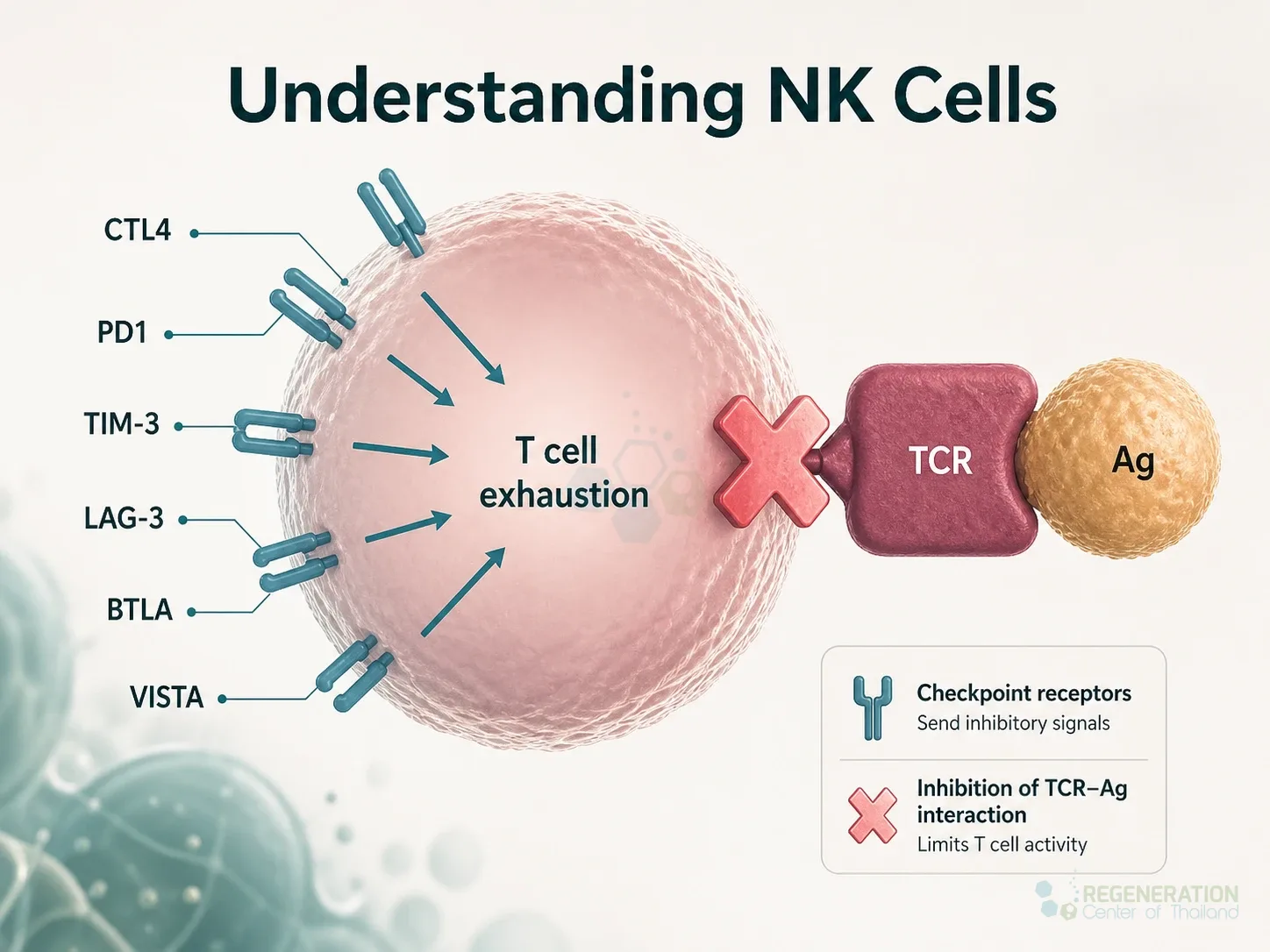 patrolling for abnormal cells. Unlike other immune cells, NK cells don’t need prior exposure to a pathogen to recognize and attack it. They’re equipped to identify cells that lack ‘self’ markers, often missing in cancerous or virally infected cells. This unique capability enables NK cells to respond swiftly, providing a rapid immune response. Understanding how these cells function is crucial for developing effective cancer therapies, as enhancing their activity could lead to better outcomes in combating various types of cancers, including liver cancer, kidney cancer, pancreatic cancer, prostate cancer, colorectal cancer, mesothelioma, and multiple myeloma.
Mechanisms of Action
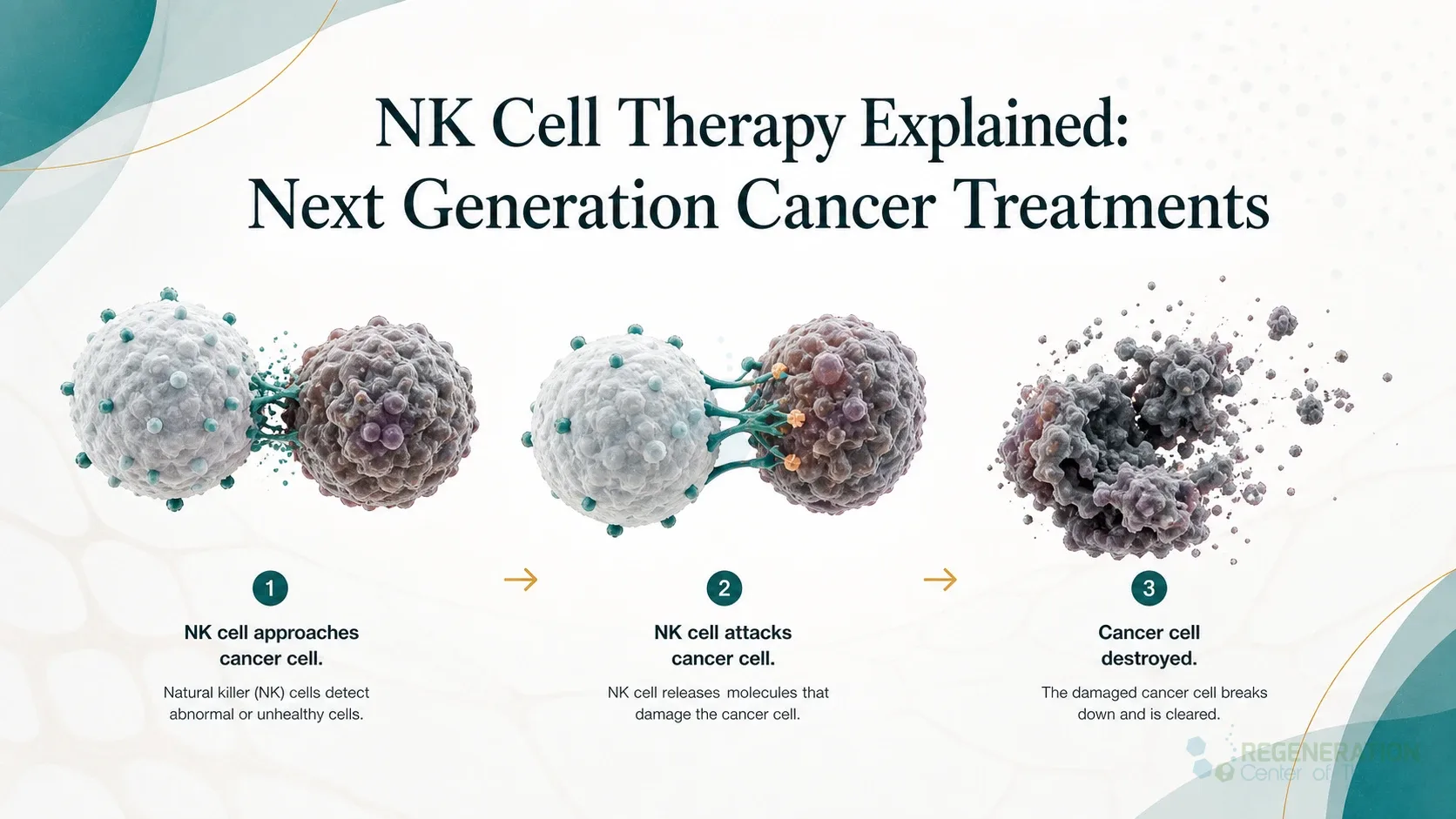
NK cells eliminate cancerous and infected cells through a variety of sophisticated mechanisms. They identify abnormal cells by detecting surface stress markers. Once an NK cell recognizes its target, it releases cytotoxic granules containing perforin and granzymes. Perforin forms pores in the target cell membrane, allowing granzymes to enter and induce apoptosis. Additionally, NK cells can engage death receptors on target cells, triggering programmed cell death through extrinsic pathways. They also produce cytokines like IFN-γ, which boost the immune response and enhance the activity of other immune cells.
How NK Cell Therapy Differs from Traditional Therapies
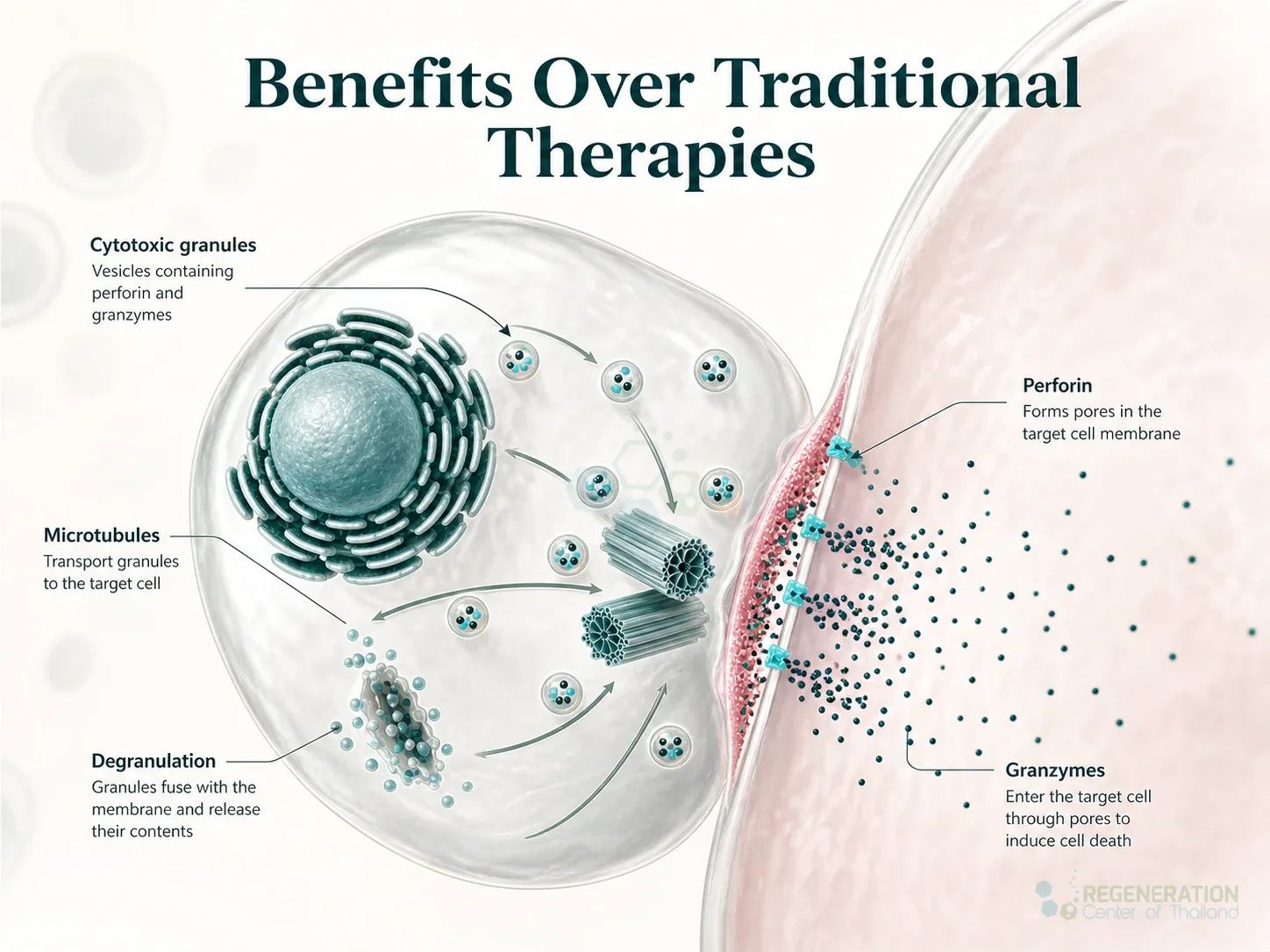 NK cell cancer therapy is designed to target malignant cells while limiting damage to healthy tissues. Early studies suggest it may cause fewer severe immune reactions than some other cell therapies, but it can still cause side effects such as fever, chills, fatigue and infusion reactions, and patients often receive chemotherapy before the cells are given. By targeting malignant cells, NK cell therapy preserves your immune system’s integrity, thereby enhancing overall recovery. Additionally, NK cell therapy is less likely to induce resistance in cancer cells, making it a more sustainable long-term treatment option. Patients also appreciate the quicker recovery times, as the therapy promotes faster healing and less fatigue.
Current Clinical Applications
The Regeneration Center has evaluated the efficacy and safety of NK cell cancer therapy across various types of malignancies. Some commonly targeted conditions include leukaemia, lymphoma, and solid tumours like breast and lung cancer. The Regeneration Center also tests different approaches, including genetically modified NK cells, combination therapies with other immunotherapies, and even off-the-shelf NK cell products. This latest generation of targeted cancer therapies and cancer screenings aims to determine the best ways to harness NK cells’ natural tumour-killing abilities while minimizing side effects.
Enrollment in NK Cell Therapies at the Regeneration Center has been limited to a few malignancies, and more research is needed to know whether the therapy improves patient outcomes. The future of NK cell cancer therapy looks promising, as it aims to enhance the cells’ efficacy and specificity against various cancer types. You’ll see efforts to genetically modify NK cells to better recognize and kill cancer cells, reducing the risk of relapse.
The Regeneration Center is also working on combining CAR-T Cells, NK cell therapy, with other treatments like checkpoint inhibitors to boost overall effectiveness. Additionally, we are pushing to develop off-the-shelf NK cell products, making treatment more accessible and less time-consuming. We aim to provide personalized NK cell therapies tailored to each patient’s profile.
NK cell cancer therapy uses the body’s natural defenses and is being studied as a more targeted addition to standard treatment. Whether it causes less harm to healthy tissues than traditional methods is still being evaluated. Over time, we seek to refine these approaches, bringing hope for more effective cancer treatments for our patients.
For a broader view of how cancer treatment is planned across diagnoses, see our oncology treatment hub.