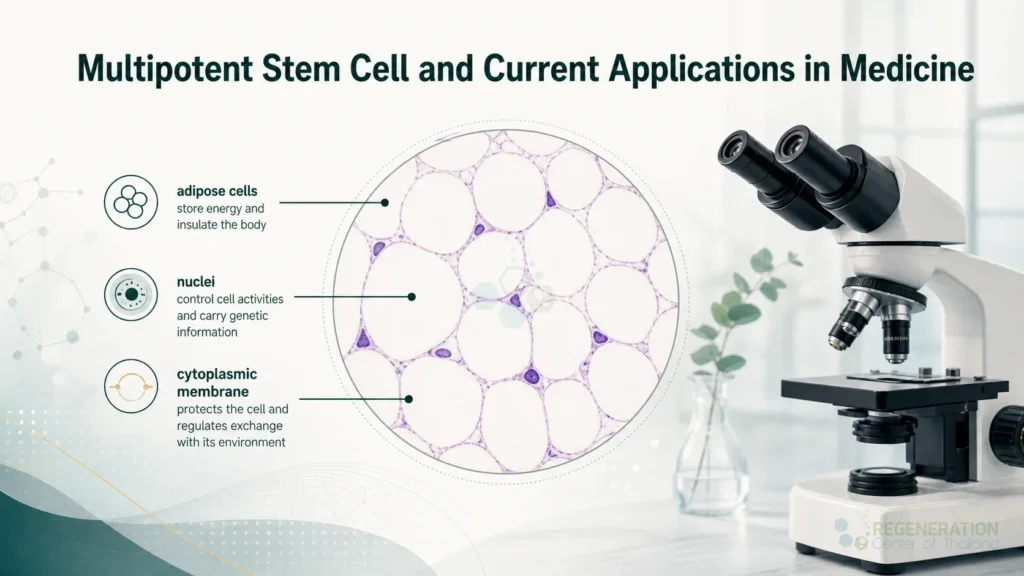
Multipotent Stem Cell and Current Applications in Medicine
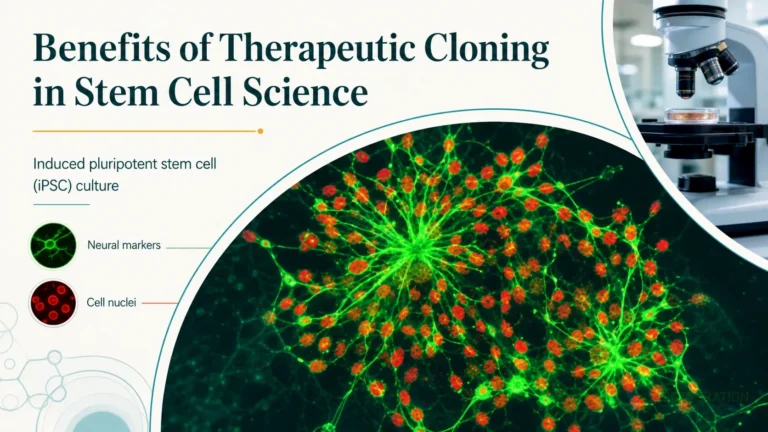
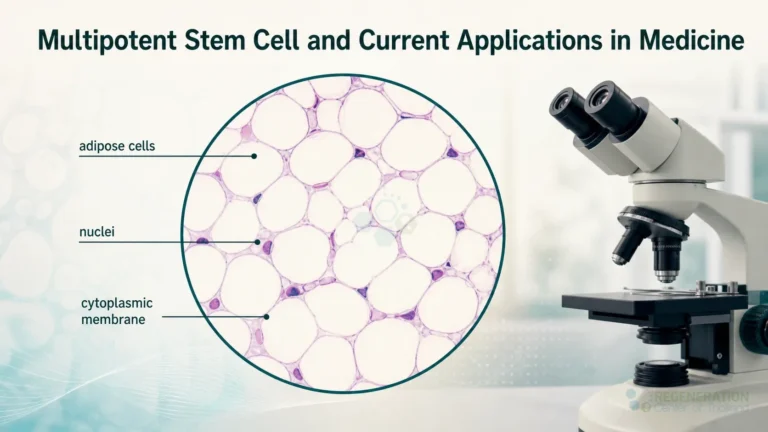
Multipotent stem cells are specific variant of stem cells that has the ability to differentiate or transform into several other variants of cells belonging…
Read article↗
Journal pathway
Glossary for Stem Cell Science and Regenerative Medicine
Search the library85 published resources
Clear explanations. Useful clinical context. No promises without evidence.
Multipotent stem cells are specific variant of stem cells that has the ability to differentiate or transform into several other variants of cells belonging…
Read article↗The polar body is the small cell that a developing egg cell (oocyte) produces as it undergoes meiosis. During the first stage of meiosis,…
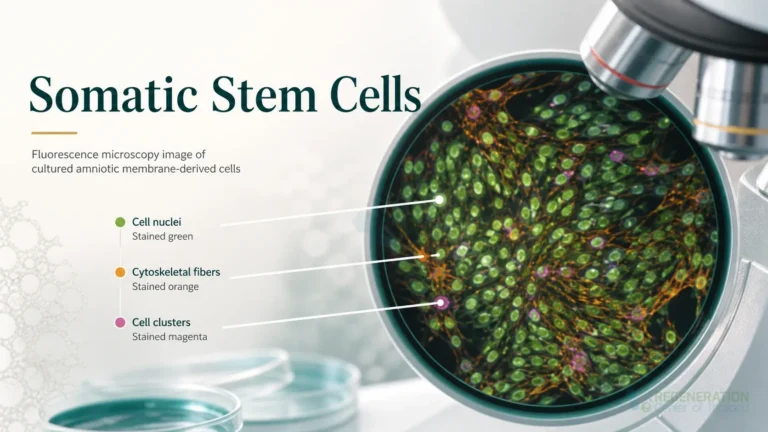
Read article↗Somatic stem cells are basically adult stem cells that are found in both children and adult humans. The Regeneration Center uses somatic stem cells…
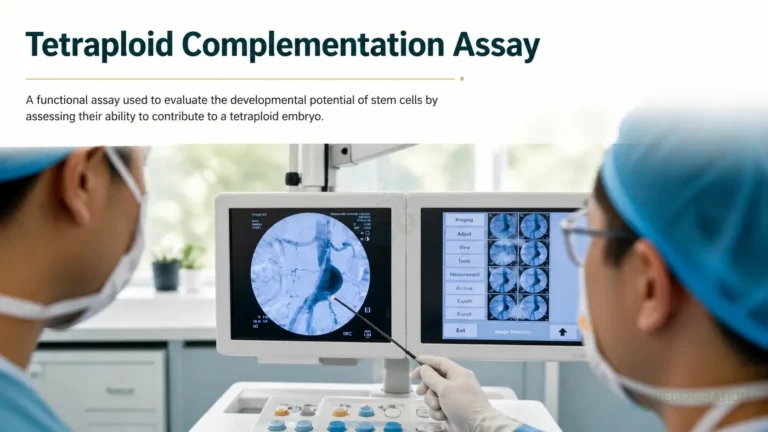
Read article↗Tetraploid complementation assays are used to examine the potency of a particular stem cell. Scientific studies in medical journals on chimeras (animals made from…
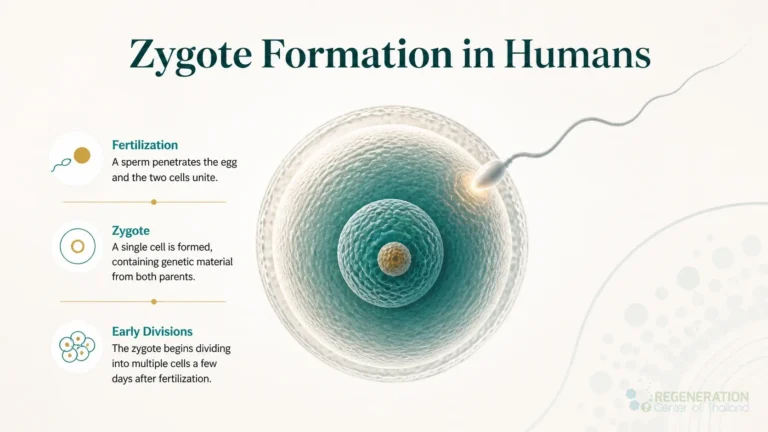
Read article↗Zygotes are single cells produced after the egg is fertilized by the sperm. The zygote then fuses the chromosomes from both gametes. About a…
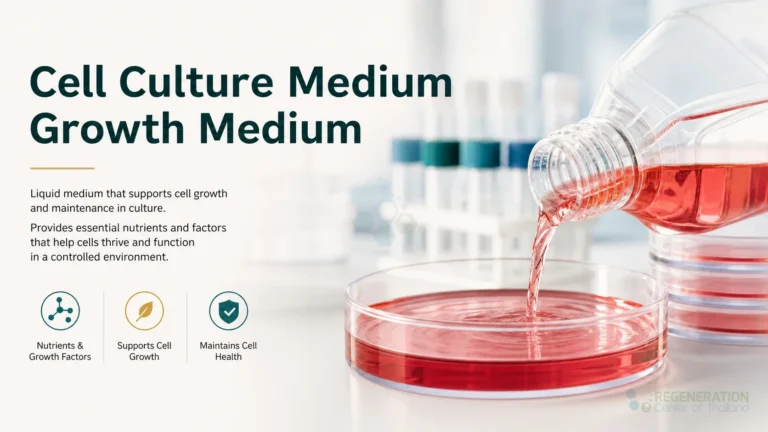
Read article↗Culture medium, also called growth medium, is the liquid or gel used to grow cells, tissues or microorganisms in the laboratory. The substance acts…
Read article↗Adipose tissue pertains to fat, which is primarily made up of fat cells known as adipocytes. [1] Adipose stem cells or “ASCs” are a…
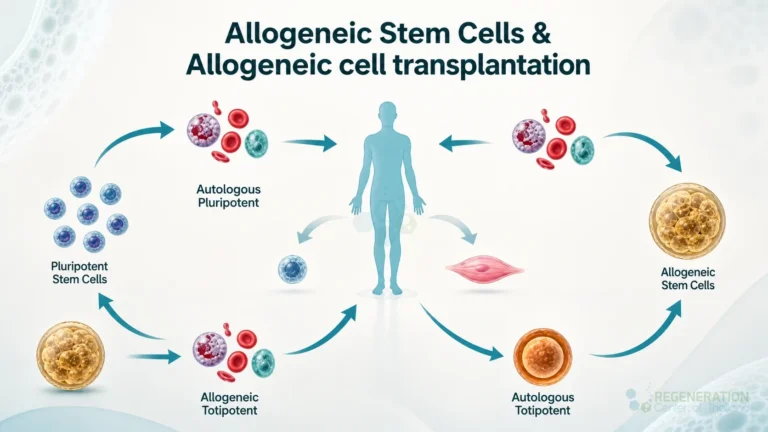
Read article↗Autologous stem cells, such as Adipose tissue derived stem cells taken from the patient's own fat, are collected from and given back to the…
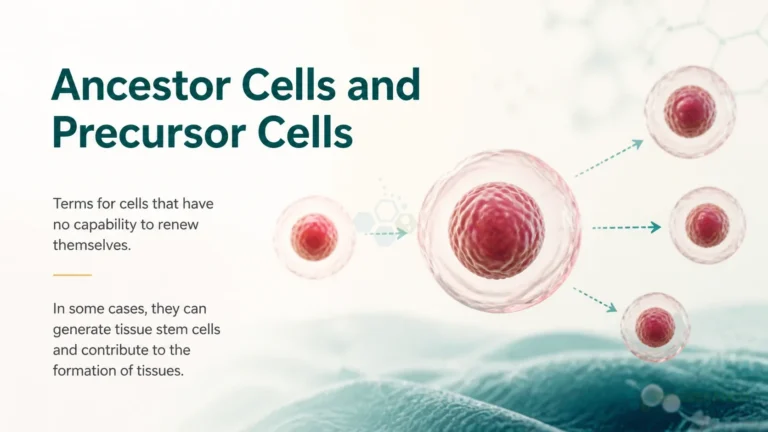
Read article↗A precursor cell, also called a progenitor cell, is a partly specialized cell with a limited ability to renew itself that divides to produce…
Read article↗Make this page easier to read and navigate. Your choices stay on this device.
No adjustments activeReady to read this page.
Speech uses a voice already installed on your device. SCT does not receive or store what is spoken. Keep browser-service voices off when you require on-device processing.
How we support access and how to contact us.
We want every visitor to stemcellthailand.org to be able to find, read and act on the information here. That includes people who browse with assistive technology and people who need to change how a page looks before they can read it comfortably.
We treat accessibility as continuing maintenance rather than a one time project. We use the Web Content Accessibility Guidelines (WCAG) as our working reference and review accessibility during design, development and content review.
We do not claim that every page meets every guideline at all times. Parts of this site carry older medical content, embedded video or third-party services whose behavior sits outside our direct control. Where we find a barrier, we fix it and record the fix.
The panel on this site runs entirely in your browser. It can:
Reading aloud is a convenience for visitors who do not use assistive technology. It is not a screen reader. If you use VoiceOver, TalkBack, Narrator, NVDA or JAWS, those remain the right way to browse this site, and our work goes into the underlying page structure so they perform well. A settings panel cannot substitute for accessible markup, and we do not present it as one.
The panel creates no account, sets no tracking cookie and sends no reading preference to us. Your choices are stored in your own browser and stay on your device. Spoken reading uses the speech voices your browser or operating system already provides, so we never receive or store what is read aloud.
If you meet an accessibility barrier, or you need information from this site in another format, email info@stemcellthailand.org. Tell us the page you were on and what you were trying to do. We aim to reply within three to five business days, and we can provide the information through another channel where that helps.
Please do not include private medical details in an accessibility request.