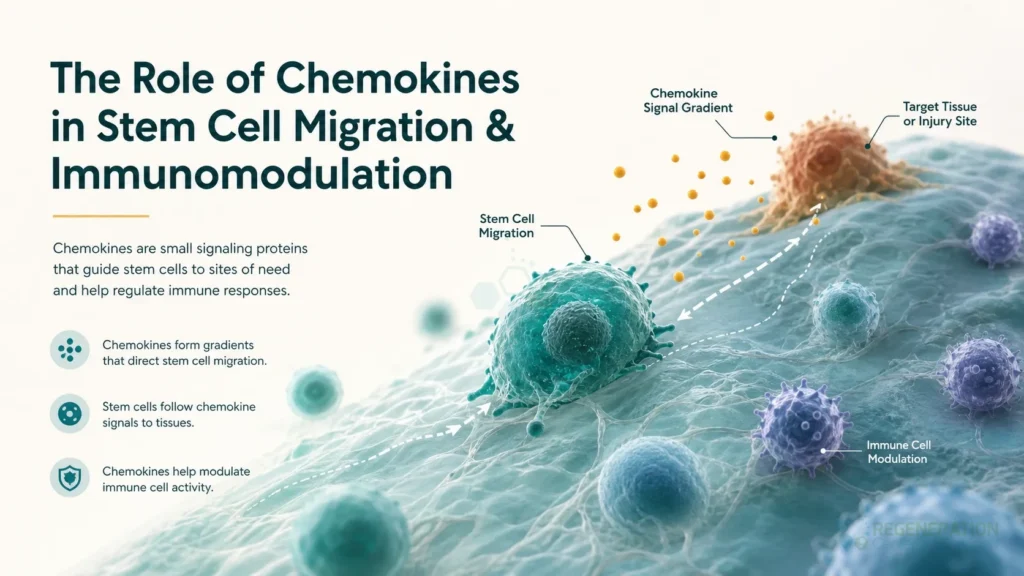
The Role of Chemokines in Stem Cell Migration & Immunomodulation
Chemokines are small secreted proteins that make cells move. A cell releases them, they stick to the surfaces of cells and to the matrix…
Read article↗
Editorial archive
Evidence-informed reading published for the Regeneration Center clinical journal.
Search the library85 published resources
Clear explanations. Useful clinical context. No promises without evidence.
Chemokines are small secreted proteins that make cells move. A cell releases them, they stick to the surfaces of cells and to the matrix…
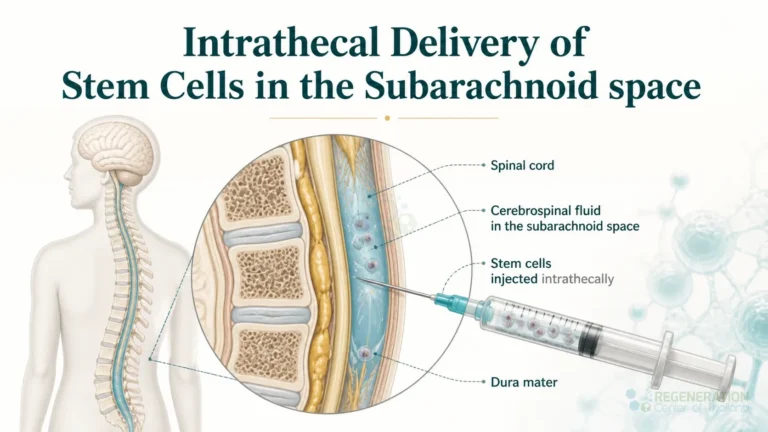
Read article↗Intrathecal administration means injecting a treatment into the cerebrospinal fluid (CSF), the clear fluid that surrounds the brain and spinal cord, usually by lumbar…
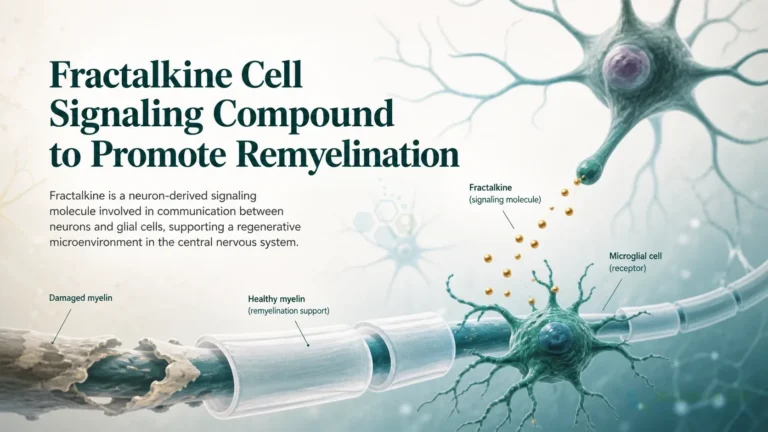
Read article↗In multiple sclerosis (MS), the immune system attacks myelin, the insulating layer around nerve fibres in the brain and spinal cord, and the oligodendrocytes…
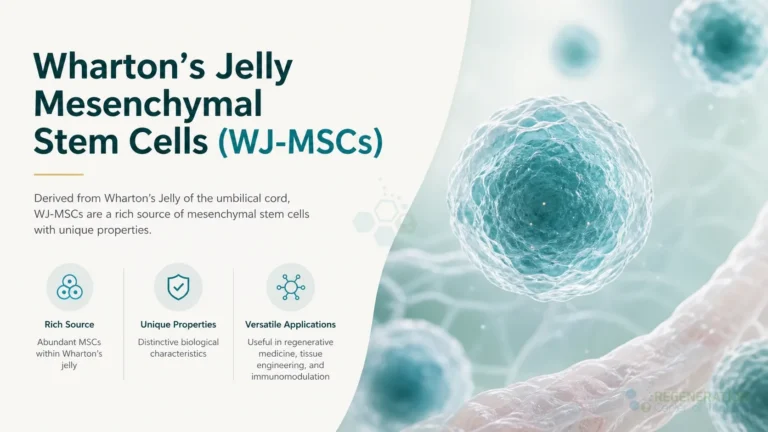
Read article↗Wharton's jelly is the soft, gel-like connective tissue that surrounds the blood vessels inside the umbilical cord. Wharton's jelly mesenchymal stromal cells (WJ-MSCs) are…
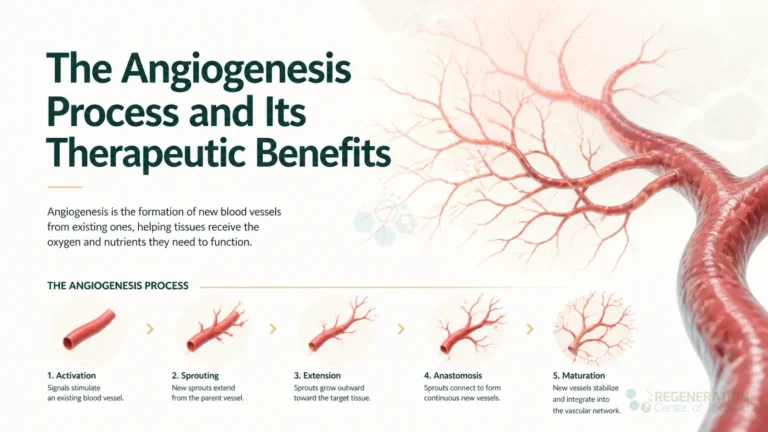
Read article↗Angiogenesis is the growth of new blood vessels from vessels that already exist. It is one of three ways the body builds and expands…
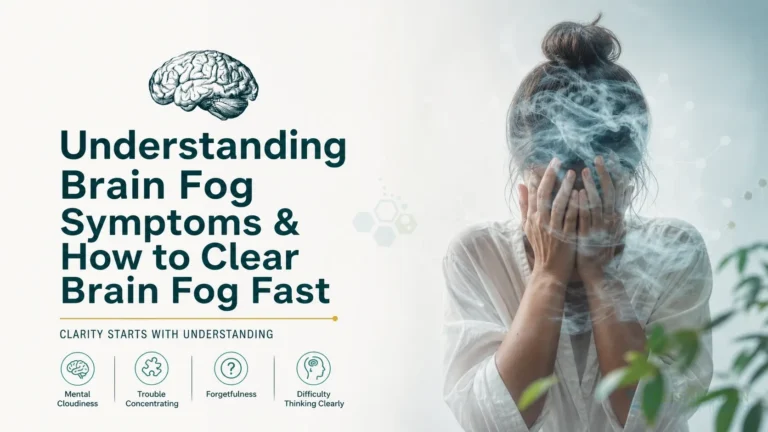
Read article↗What people mean by brain fog, what can contribute to it, how it is assessed, and when to seek medical care.
Read article↗Messenger RNA (mRNA) is a single-stranded copy of a gene that carries the instructions for making one protein. mRNA medicines use that natural process:…
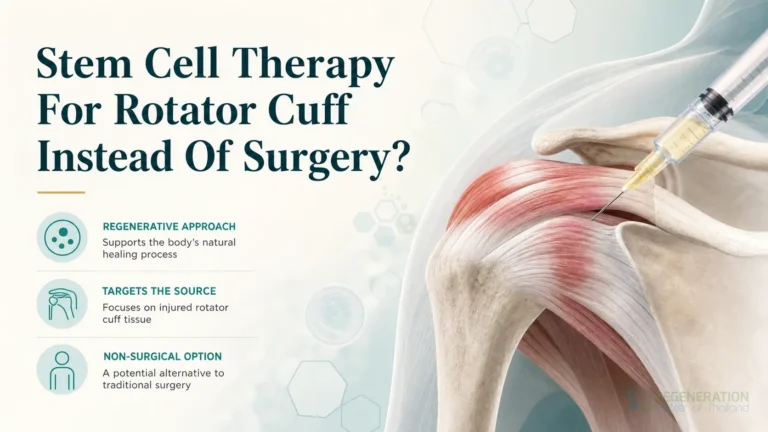
Read article↗The rotator cuff is a group of four muscles whose tendons form a covering around the head of the upper arm bone; it attaches…
Read article↗There is no single kidney diet. Healthy kidneys keep the right balance of salts and minerals in the blood; in chronic kidney disease (CKD)…
Read article↗Make this page easier to read and navigate. Your choices stay on this device.
No adjustments activeReady to read this page.
Speech uses a voice already installed on your device. SCT does not receive or store what is spoken. Keep browser-service voices off when you require on-device processing.
How we support access and how to contact us.
We want every visitor to stemcellthailand.org to be able to find, read and act on the information here. That includes people who browse with assistive technology and people who need to change how a page looks before they can read it comfortably.
We treat accessibility as continuing maintenance rather than a one time project. We use the Web Content Accessibility Guidelines (WCAG) as our working reference and review accessibility during design, development and content review.
We do not claim that every page meets every guideline at all times. Parts of this site carry older medical content, embedded video or third-party services whose behavior sits outside our direct control. Where we find a barrier, we fix it and record the fix.
The panel on this site runs entirely in your browser. It can:
Reading aloud is a convenience for visitors who do not use assistive technology. It is not a screen reader. If you use VoiceOver, TalkBack, Narrator, NVDA or JAWS, those remain the right way to browse this site, and our work goes into the underlying page structure so they perform well. A settings panel cannot substitute for accessible markup, and we do not present it as one.
The panel creates no account, sets no tracking cookie and sends no reading preference to us. Your choices are stored in your own browser and stay on your device. Spoken reading uses the speech voices your browser or operating system already provides, so we never receive or store what is read aloud.
If you meet an accessibility barrier, or you need information from this site in another format, email info@stemcellthailand.org. Tell us the page you were on and what you were trying to do. We aim to reply within three to five business days, and we can provide the information through another channel where that helps.
Please do not include private medical details in an accessibility request.