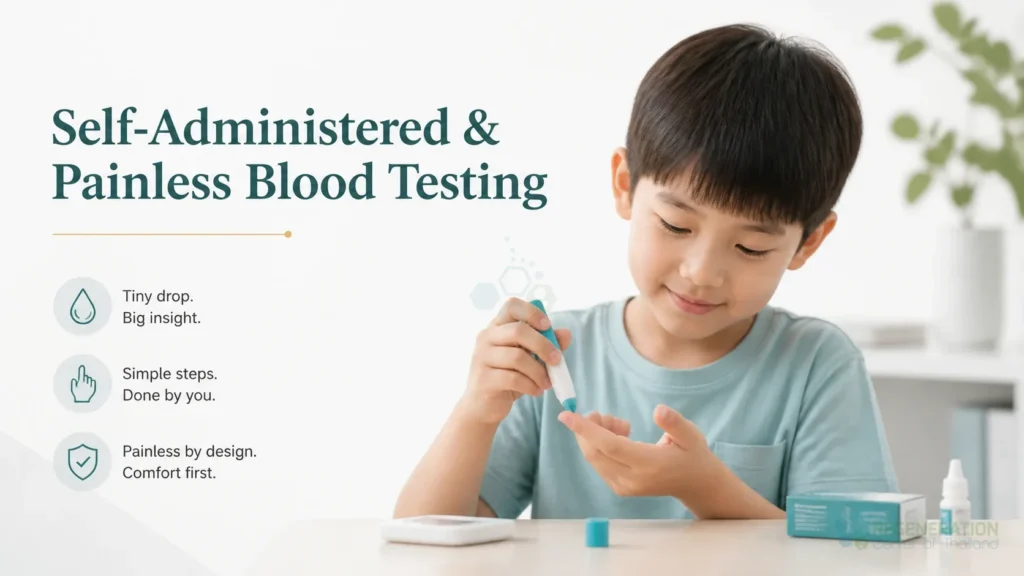
Self-Administered & Painless Blood Testing
Nobody enjoys getting their blood drawn. It might be painless and quick for some but there are times that waiting in lines can take…
Read article↗
Clinical journal
Explore evidence-informed articles, cellular-medicine references and practical context from the Regeneration Center.
Search the library127 published resources
Clear explanations. Useful clinical context. No promises without evidence.
Nobody enjoys getting their blood drawn. It might be painless and quick for some but there are times that waiting in lines can take…
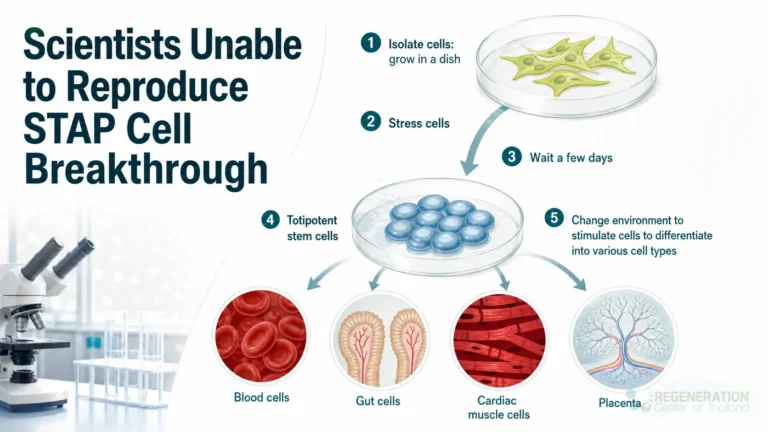
Read article↗Science is a tribute to what we can know although we are fallible. - Jacob Bronowski Biologist Dr Haruko Obokata of the RIKEN institute…
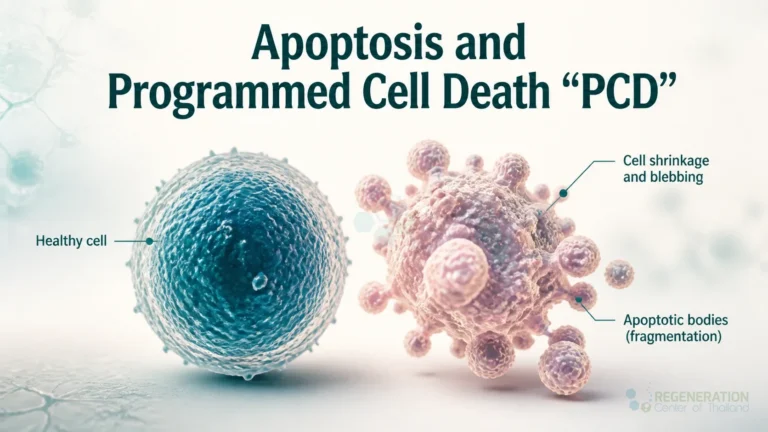
Read article↗There are generally 2 ways that human cells can die: They are destroyed through an injury or viral agent The cells induce themselves to…
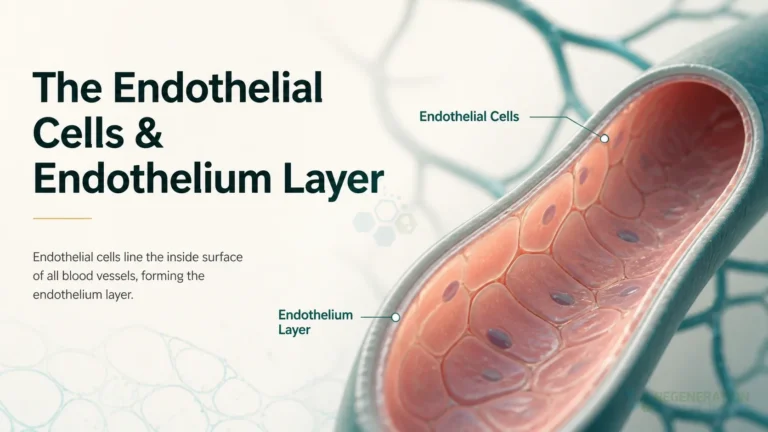
Read article↗Human Endothelial cells “EC” are estimated to account for nearly 1 kg of mass in the human body. This mass is about the same…
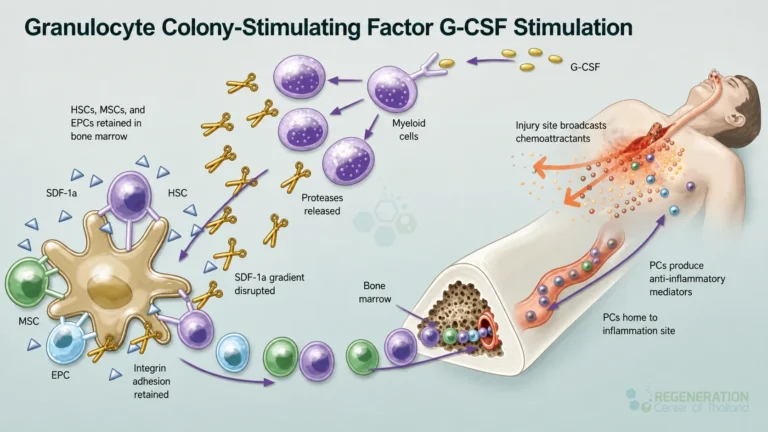
Read article↗Granulocyte-colony stimulating factor is also known as colony-stimulating factor 3,G-CSF, GCSF, GM-CSF or Rm-GSF.Granulocyte Colony-Stimulating Factors are a special kind of protein or "growth…
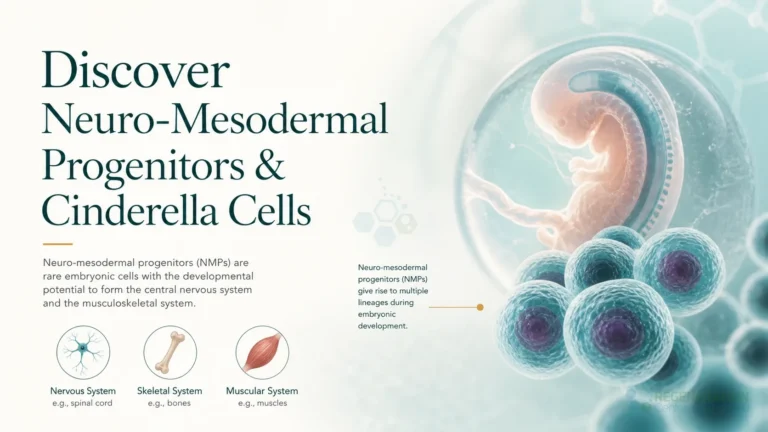
Read article↗The human spinal cord,skeleton cells and muscle cells are all created from cells known as NMP’s or neuro-mesodermal progenitors. The formation of these vital…
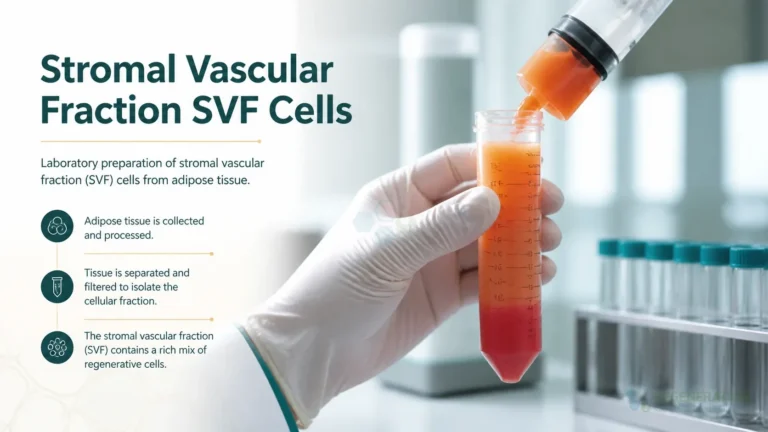
Read article↗Stromal vascular fraction or SVF cells is a medical term that describes a heterogeneous kind of cell that are typically found in adipose “fat”…
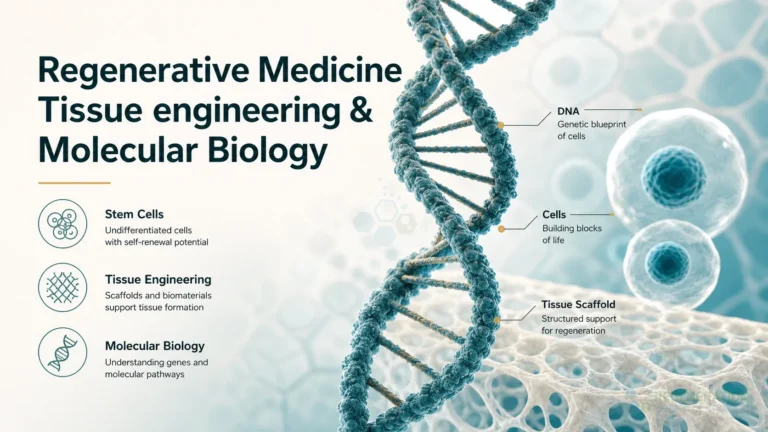
Read article↗DNA is also known as Deoxyribonucleic Acid. DNA is considered to the building block of the body and is found in the nuclei of…
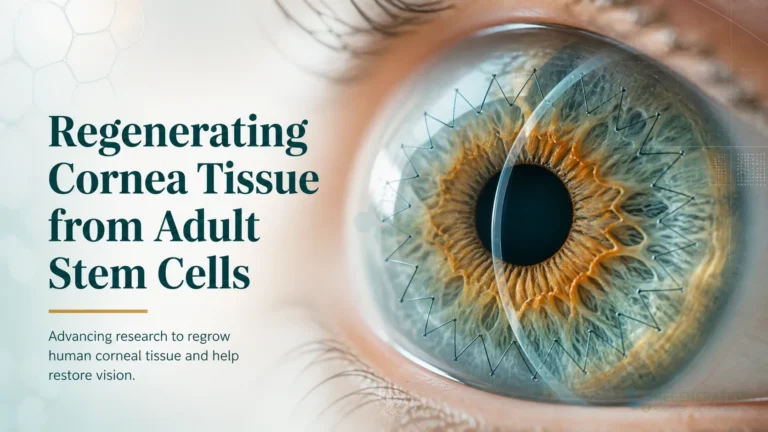
Read article↗Researchers in Boston USA have identified a new way to enable regrow human corneal tissue to help restore vision in the early trials. The…
Read article↗Make this page easier to read and navigate. Your choices stay on this device.
No adjustments activeReady to read this page.
Speech uses a voice already installed on your device. SCT does not receive or store what is spoken. Keep browser-service voices off when you require on-device processing.
How we support access and how to contact us.
We want every visitor to stemcellthailand.org to be able to find, read and act on the information here. That includes people who browse with assistive technology and people who need to change how a page looks before they can read it comfortably.
We treat accessibility as continuing maintenance rather than a one time project. We use the Web Content Accessibility Guidelines (WCAG) as our working reference and review accessibility during design, development and content review.
We do not claim that every page meets every guideline at all times. Parts of this site carry older medical content, embedded video or third-party services whose behavior sits outside our direct control. Where we find a barrier, we fix it and record the fix.
The panel on this site runs entirely in your browser. It can:
Reading aloud is a convenience for visitors who do not use assistive technology. It is not a screen reader. If you use VoiceOver, TalkBack, Narrator, NVDA or JAWS, those remain the right way to browse this site, and our work goes into the underlying page structure so they perform well. A settings panel cannot substitute for accessible markup, and we do not present it as one.
The panel creates no account, sets no tracking cookie and sends no reading preference to us. Your choices are stored in your own browser and stay on your device. Spoken reading uses the speech voices your browser or operating system already provides, so we never receive or store what is read aloud.
If you meet an accessibility barrier, or you need information from this site in another format, email info@stemcellthailand.org. Tell us the page you were on and what you were trying to do. We aim to reply within three to five business days, and we can provide the information through another channel where that helps.
Please do not include private medical details in an accessibility request.