
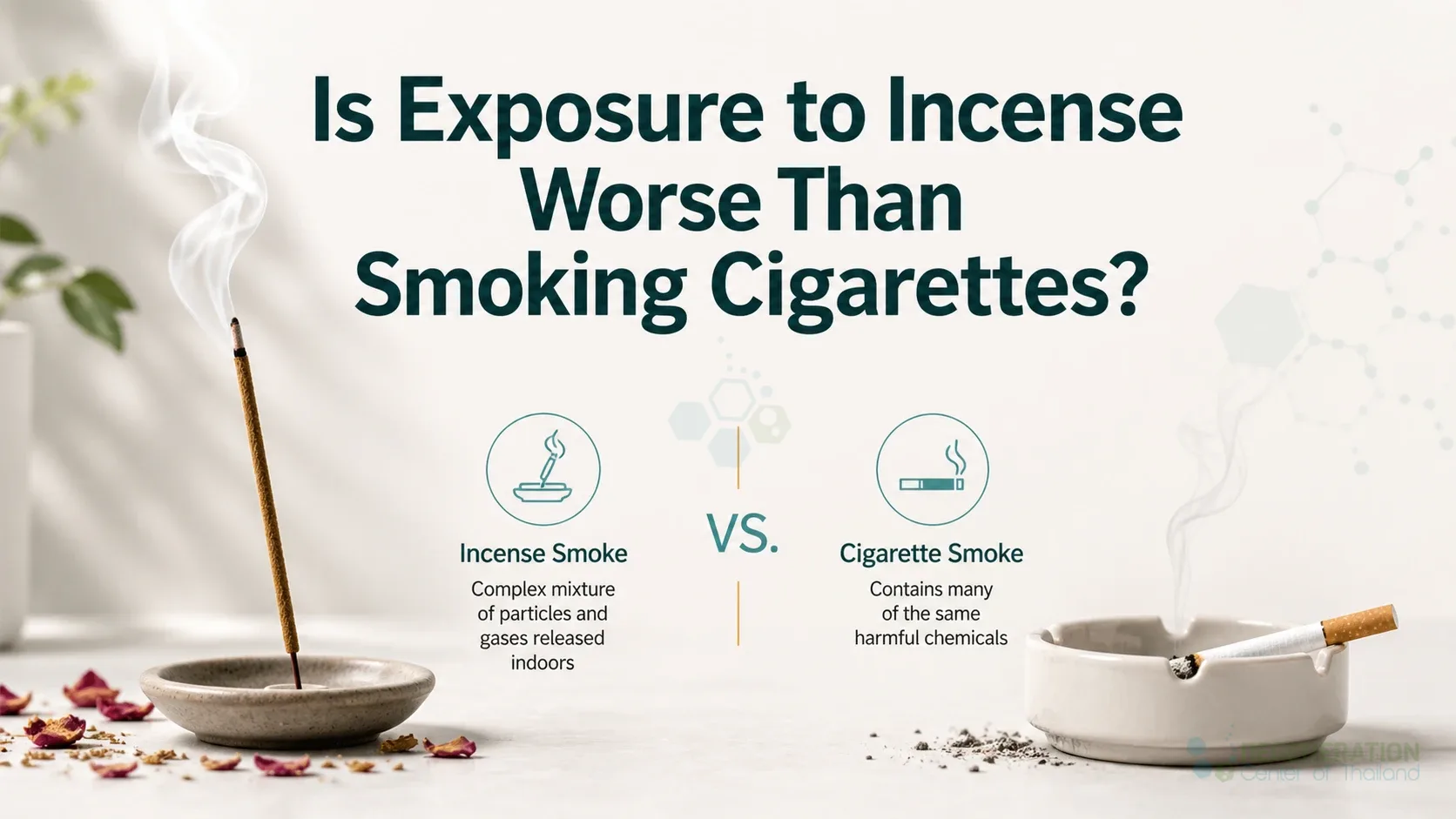
The sweet aroma of incense burning in a room can evoke feelings of relaxation, meditation, and spirituality. Across the globe, incense is widely used in religious rituals and meditation practices to freshen indoor spaces. However, recent studies have raised concerns about the health implications of inhaling incense smoke, drawing comparisons between the dangers of incense smoke and cigarette smoking. This comparison might seem surprising, but research indicates there are reasons to reconsider the health effects of incense.
Understanding Incense and Cigarette Smoke
Incense is traditionally composed of aromatic plant materials combined with essential oils, resins, and binding materials. When burned, these materials produce smoke, emitting a fragrant scent. Cigarettes, on the other hand, contain tobacco and various chemical additives. The combustion of tobacco produces harmful chemicals, including nicotine, tar, carbon monoxide, and various carcinogens known to cause serious health issues such as lung cancer, heart disease, and respiratory disorders such as pulmonary fibrosis and COPD.
Both incense and cigarette smoke are products of incomplete combustion, meaning they release particulate matter (PM), volatile organic compounds (VOCs), and polycyclic aromatic hydrocarbons (PAHs). These substances are recognized pollutants and carcinogens, which raise legitimate concerns about the inhalation of incense smoke.
What Science Says: Incense Smoke vs. Cigarette Smoke
Recent research comparing incense smoke to cigarette smoke has provided surprising results. Studies indicate that incense smoke contains many harmful compounds similar to those found in
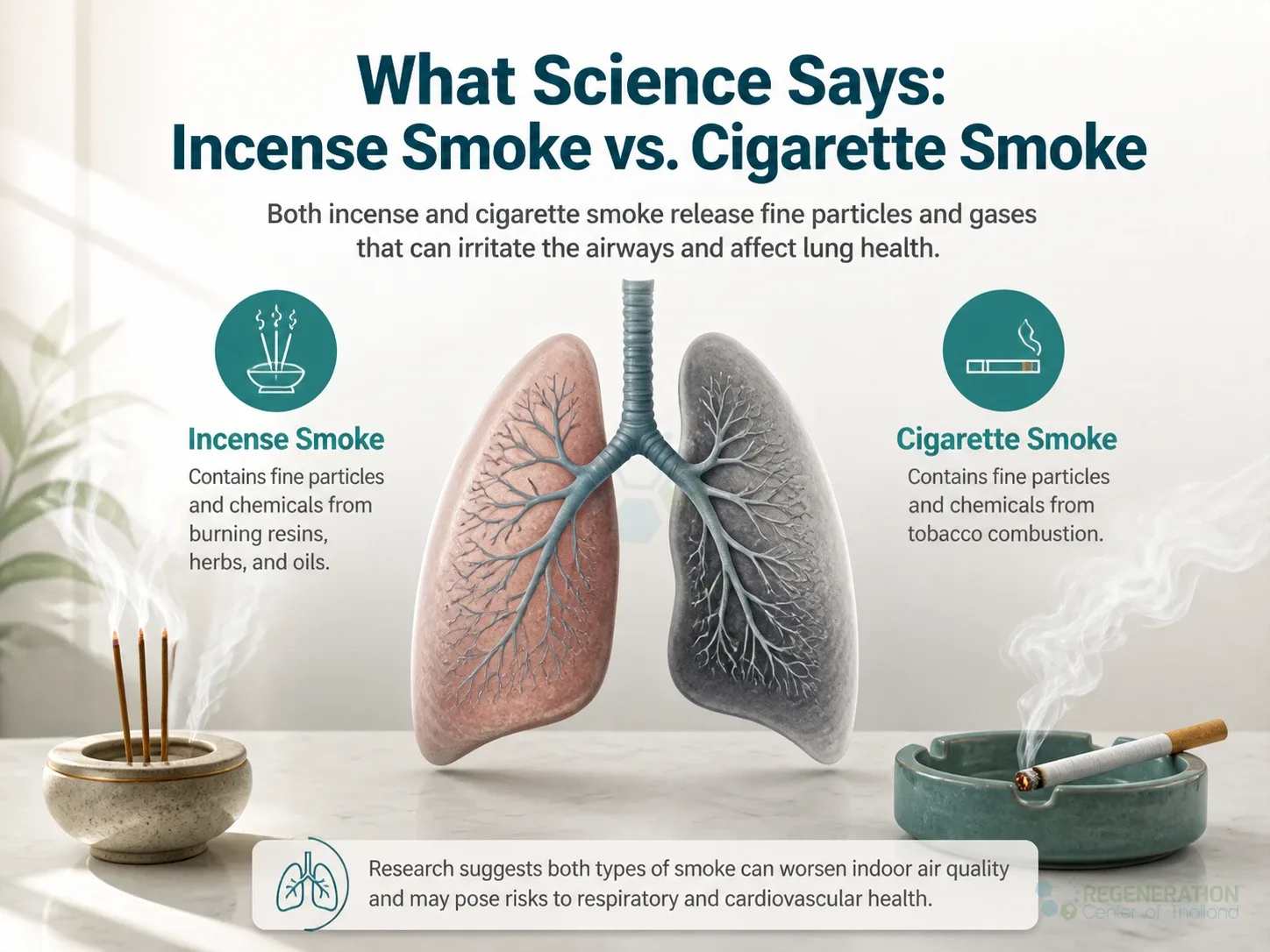
tobacco smoke. Incense smoke was discovered to possess mutagenic properties, indicating the presence of chemical compounds capable of altering genetic material, such as DNA, and potentially leading to mutations. Moreover, in laboratory tests on cultured cells, it exhibited higher cytotoxicity and genotoxicity than the cigarette used in the study. This suggests that incense smoke may be more harmful to cells in the laboratory, particularly their genetic components, although it does not show the same effect in people. Mutagenics, genotoxins, and cytotoxins have all been implicated in the development of cancers.
The smoke sampled from the incense was predominantly composed of ultrafine and fine particles, likely to have adverse health effects. In total, the four incense smoke samples contained 65 compounds. While some of these substances are irritants or pose only slight harm (hypotoxic), two of the samples contained ingredients known to be highly toxic.
These findings come from a small laboratory study published in the journal “Environmental Chemistry Letters” in 2015, which tested smoke from four types of incense and two types of cigarettes on cultured cells, so they do not directly show what happens in people. A large population study found that long-term exposure to incense smoke may increase the risk of respiratory tract cancers in the upper airway, such as cancers of the nose and throat, but it found no link with lung cancer. The higher risk was seen in people who used incense heavily over many years. Learn how to increase lung capacity naturally.
Health Risks of Burning Incense
- Respiratory Issues:
- Incense smoke contains fine particulate matter that can penetrate the respiratory system, causing inflammation and irritation. Regular exposure is associated with chronic respiratory conditions like bronchitis, asthma exacerbation, and decreased lung function.
- Increased Cancer Risk:
- Research links long-term incense burning to increased risks of respiratory cancers. The carcinogens found in incense smoke, such as benzene, formaldehyde, and polycyclic aromatic hydrocarbons, are similarly present in cigarette smoke and known to contribute to the development of cancer.
- Cardiovascular Health Concerns:
- Population studies have also found associations between long-term incense use and cardiovascular issues, including a higher risk of death from cardiovascular disease, and some studies link it to higher blood pressure. These are associations and do not prove that incense causes these conditions, although fine particles from any smoke are known to raise the risk of heart attacks, strokes and heart failure.
- Allergies and Skin Irritation:
- The aromatic substances in incense smoke can trigger allergic reactions in sensitive individuals, manifesting as skin irritation, allergic rhinitis, or aggravation of pre-existing skin conditions.
Comparing Risk Levels: Is Incense Actually Worse?
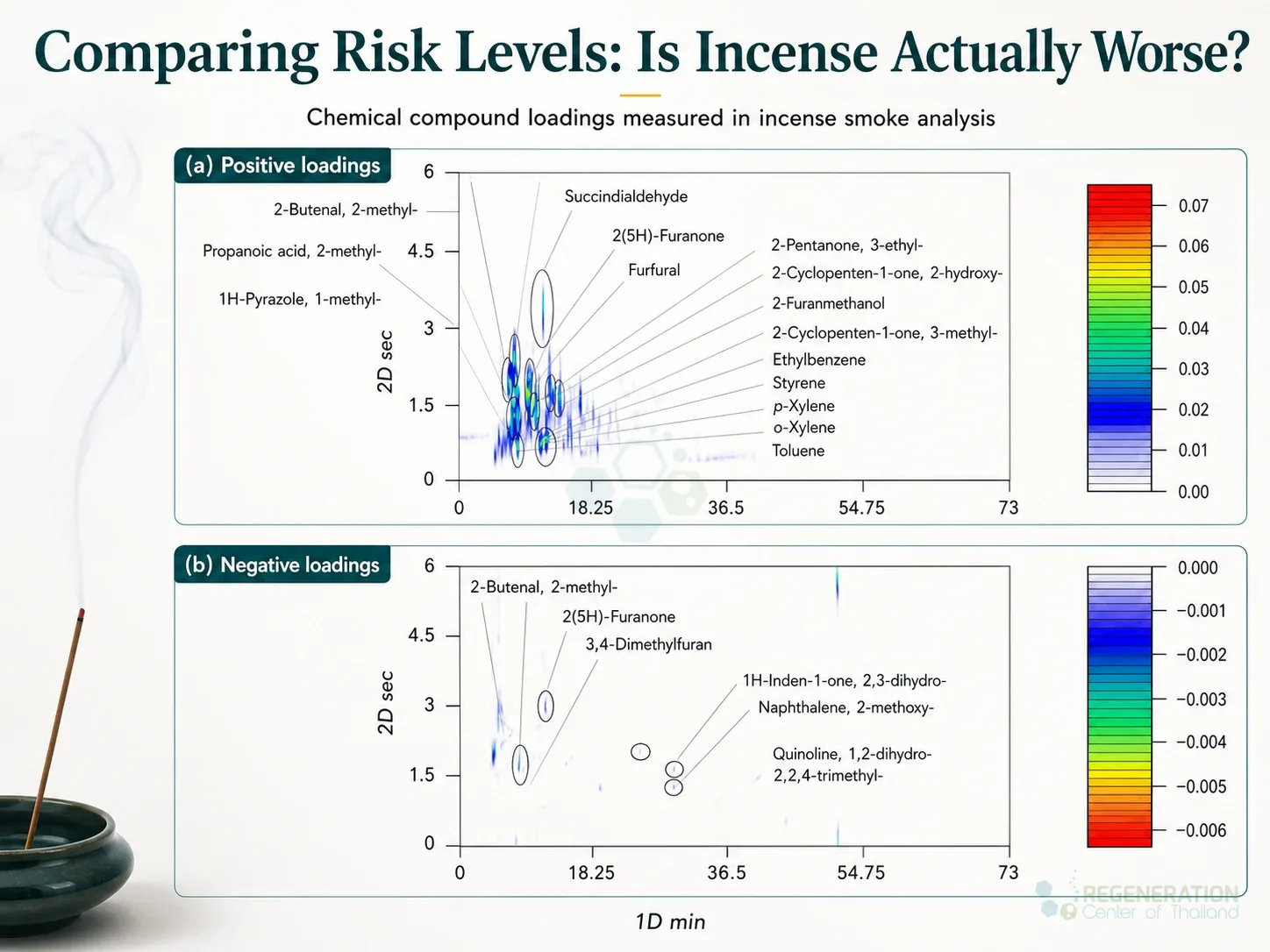
While incense smoke shares many harmful compounds with cigarette smoke, it is essential to examine the exposure context. Cigarette smokers often inhale smoke directly, delivering concentrated doses of toxins deeply into their lungs multiple times per day. In contrast, incense is generally burned intermittently, often in well-ventilated spaces. However, incense smoke tends to be denser, and when burned in poorly ventilated indoor spaces, individuals may experience substantial exposure, potentially equating to or exceeding some cigarette smoke pollutants.
Moreover, incense’s cultural or religious significance often leads to chronic exposure in specific communities. Unlike cigarettes, whose dangers are widely known, incense smoke risks may go unnoticed or underestimated, potentially increasing long-term exposure without precautionary measures.
Protecting Your Health: Safe Incense Use
Given the potential health risks, adopting safer incense-burning practices is advisable. Here are recommendations to mitigate exposure:
- Enhance Ventilation: Always burn incense in well-ventilated areas or outdoors, ensuring that pollutants disperse rather than accumulate indoors.
- Limit Duration and Frequency: Avoid burning incense continuously or daily. Use sparingly to reduce cumulative exposure.
- Choose Quality Products: Opt for natural incense sticks with fewer chemical additives. Avoid artificially fragranced or chemically enhanced products.
- Monitor Health Symptoms: If you experience respiratory discomfort, allergies, or irritation after burning incense, reconsider its use or consult a healthcare professional.
The Bottom Line: Moderation is Key
Ultimately, while burning incense does indeed produce harmful pollutants similar to cigarette smoke, labeling it outright as worse than cigarette smoking requires nuance. Cigarette smoking remains one of the most significant health hazards globally, directly linked to millions of deaths annually due to its addictive nature, frequency, and deep inhalation practices.
Though hazardous, incense smoke typically poses less direct risk if used sparingly, responsibly, and in well-ventilated spaces. Awareness and moderation are key to minimizing health risks while preserving the cultural and spiritual benefits incense burning can offer.
Incense smoke can pose real health risks, particularly with chronic and prolonged exposure in poorly ventilated spaces, although for most people these risks are lower than those of cigarette smoking. However, responsible use, good ventilation, and awareness can significantly mitigate these risks. Understanding these potential dangers empowers individuals to make informed decisions about incense use, balancing health considerations with cultural, spiritual, or personal preferences.