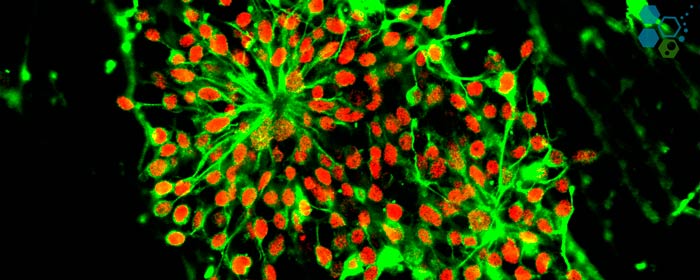
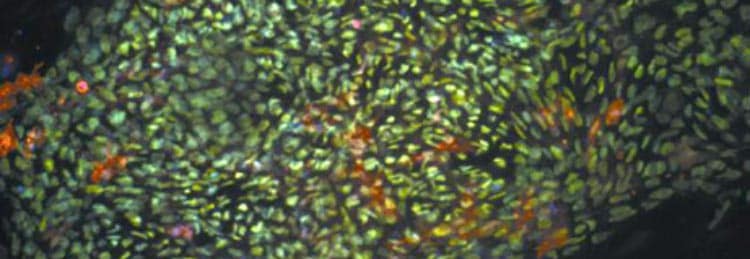
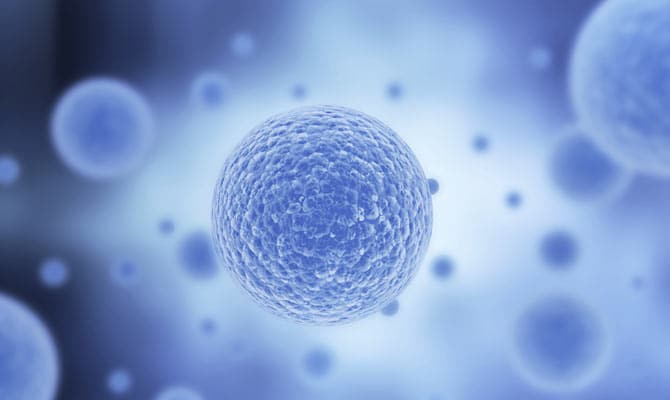
Multipotent stem cells are specific variant of stem cells that has the ability to differentiate or transform into several other variants of cells belonging to a similar family. For instance, the hematopoietic stem cells. These may develop into different variants of blood cells, forming either platelets or RBCs, but they are not capable of differentiating into neural cells. Multipotent stem …
Polar Body Formation Extrusion and Function
The Polar body refers to the resultant structure that an egg cell (oogonium) produces as it undergoes meiosis. During the first stage of meiosis, the egg cell evenly distributes the chromosomes between the two daughter cells. However, the cytoplasm is divided unevenly. One of the cells retains the majority of the cytoplasm, leaving the other cell with a very small …
Somatic Stem Cells
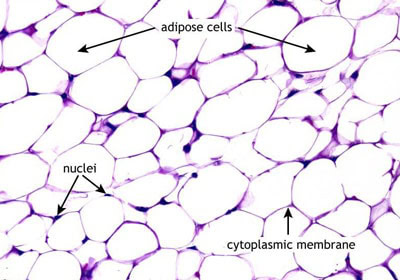
Somatic stem cells are basically adult stem cells that are found in both children and adult humans. The Regeneration Center uses adult stem cells that are isolated from tissue samples from cord blood, placenta, adipose (fat), or dental pulp. Embryonic vs Somatic Stem Cells (Adult) Somatic stem cells, also known as adult stem cells, are a type of undifferentiated cell …
Tetraploid Complementation Assay
Tetraploid complementation assays are used to examine the potency of a particular stem cell. Scientific studies in medical journals performed on chimeras (the mixture of cells of two distinct animals) revealed that the fusion of two embryos with eight cells resulted into cells containing four sets of chromosomes referred to as tetraploid cells, which are predisposed to developing into an …
Zygote Formation in Humans
Zygotes are single cells produced after the egg is fertilized by the sperm. The zygote then fuses the chromosomes from both gametes. After which, several divisions will occur to produce embryonic cells roughly 4 days after fertilization. The zygote stage lasts only about 4 days. On or around the 5th day, the cell mass becomes known as a blastocyst. The …
Cell Culture Medium Growth Medium
Culture medium also called growth medium pertains to the liquid medium necessary to carry out a culture and sensitivity test. The substance acts as a mode of support and nourishment for the cells undergoing culture, and may also contain growth factors necessary to generate cell change. Cell culture medium, often referred to as growth medium, is a nutrient-rich solution used …