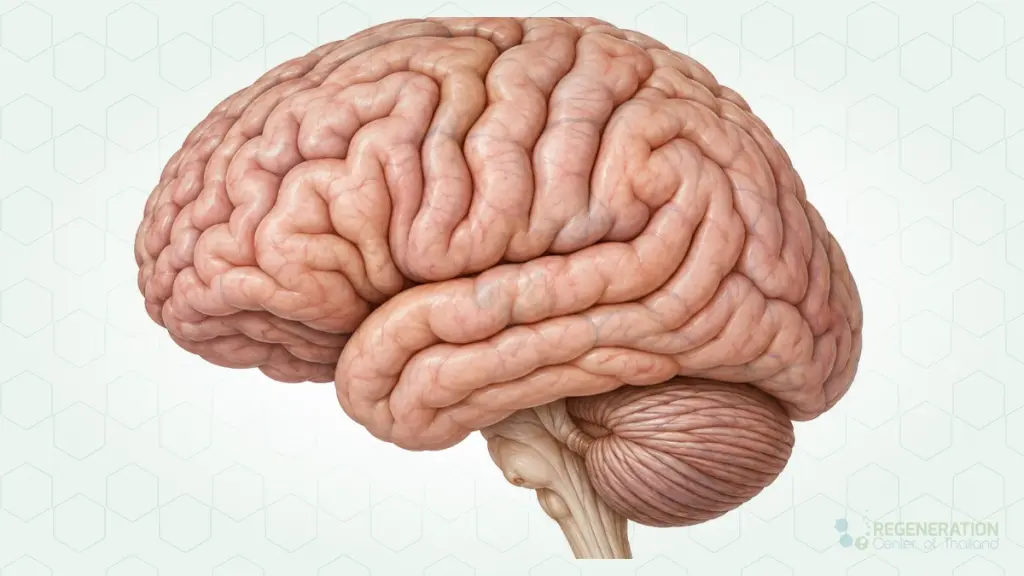
Autism Spectrum Disorders are recognized internationally as complicated developmental disabilities. Specialists think that Autism Spectrum Disorders present themselves during the first few years of an individual’s existence. The condition is a neurological disorder that affects normal brain function, impairing the person’s ability to develop communication and social interaction skills.
A wide range of social interactions and activities, including play and/or banter, as well as nonverbal communication, are the usual problems for individuals with autism.
Treating Autism – VIDEO
ASD stands for Autism Spectrum Disorder and may occasionally be called “Autistic Spectrum Disorder”. ASD and Autism mean exactly the same. ASD is a specific neurodevelopmental diagnosis made by a clinician when a person has persistent differences in social communication together with restricted or repetitive behaviors and interests. An individual/child suffering from ASD usually has problems with socializing, and he/she may have speech and language difficulties. An individual with ASD will usually also prefer to stick to a set of behaviors and can resist any significant (or numerous minor) modifications to day-to-day activities.
What are Stem Cells?
Stem cells are unspecialized cells that can divide and differentiate into more specialized cell types. Embryonic stem cells can form almost any cell type, while adult stem cells can form a narrower range of cells. This differentiation often results in much more specialized cells inside your body. The 2 main kinds of stem cells are
- Embryonic stem cells
- Adult stem cells, including dental pulp, adipose tissue, cord blood cells, along with cord tissue, placenta, and Wharton’s jelly stem cells
Why Autistic Kids Respond To Stem Cells
Kids with autism suffer from two significant dysfunctions:
- Hypoperfusion.
- Immune Dysregulation.
Hypoperfusion is decreased blood flow to the brain, which means the brain doesn’t receive sufficient oxygen and can’t function normally. Severe loss of blood flow, as in a stroke, can injure brain cells by disrupting their energy supply. In autism, some imaging studies have reported subtle reductions in blood flow to certain brain regions in some children, but the findings are inconsistent, and there is no evidence that autism involves brain cell death from lack of blood flow.
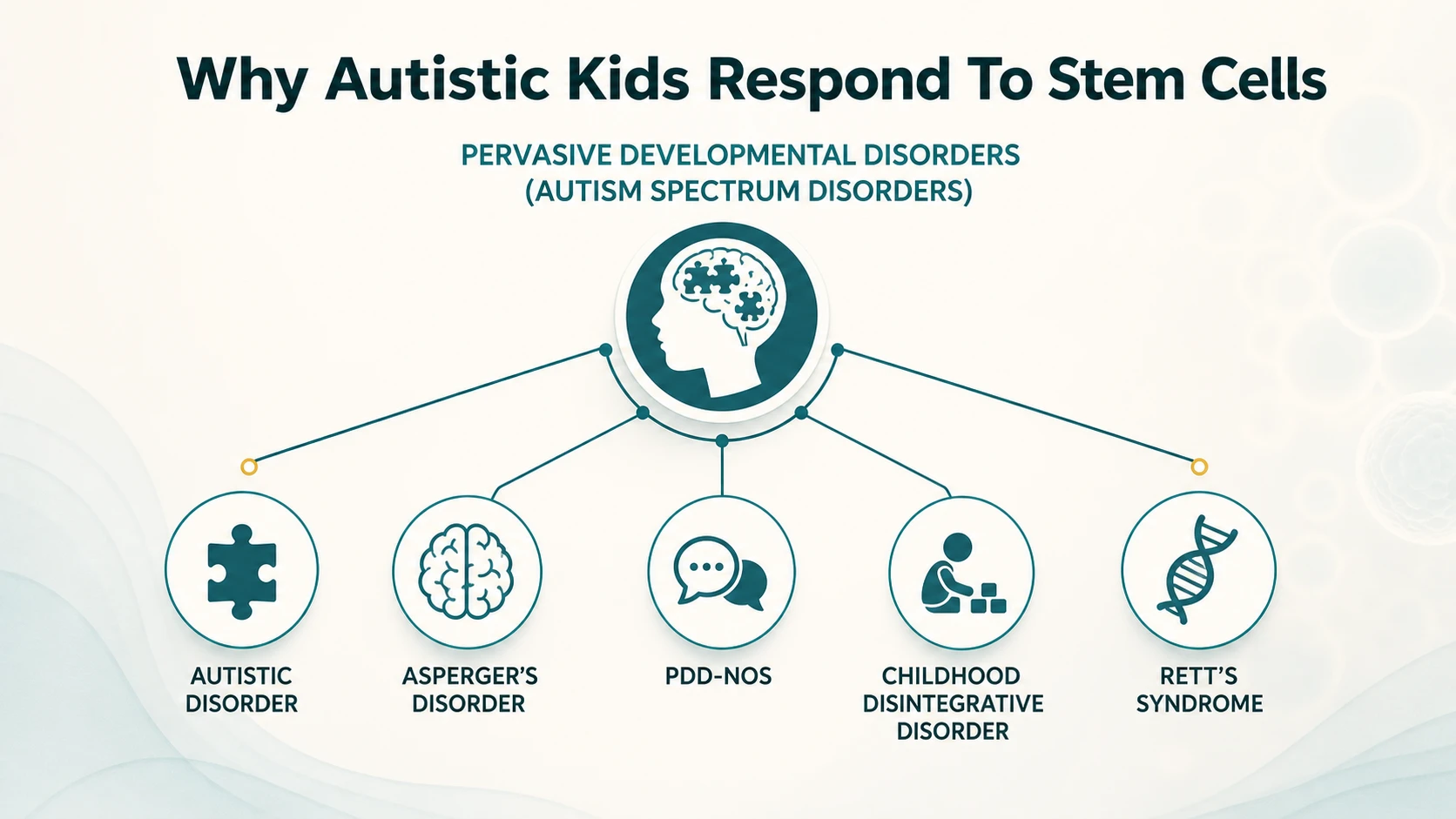
Immune dysregulation in children with autism indicates that their immune systems don’t respond in a typical manner to stimuli. Some studies have found signs of immune activation, inflammation or autoimmune responses in a subset of autistic children, but the findings vary between studies, their role in autism is not understood, and they are not part of how autism is diagnosed.
Autoimmune responses, such as those in inflammatory bowel disease, occur when the body mistakenly attacks its own cells because they are not recognized. Autism is a neurodevelopmental condition and is not classified as an autoimmune disorder like multiple sclerosis (MS) or Crohn’s disease. The Immune dysregulation is an extremely apparent condition within the gastrointestinal well-being of children with autism. Most children and patients experience signs and symptoms ranging from mild gas and diarrhea to gastrointestinal tract inflammation and, finally, intestinal bloating.
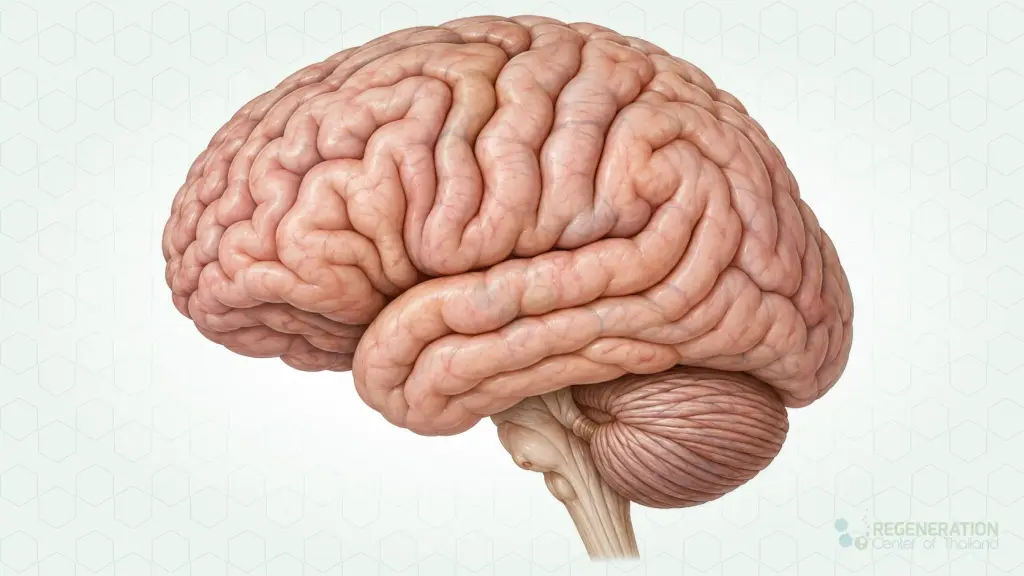
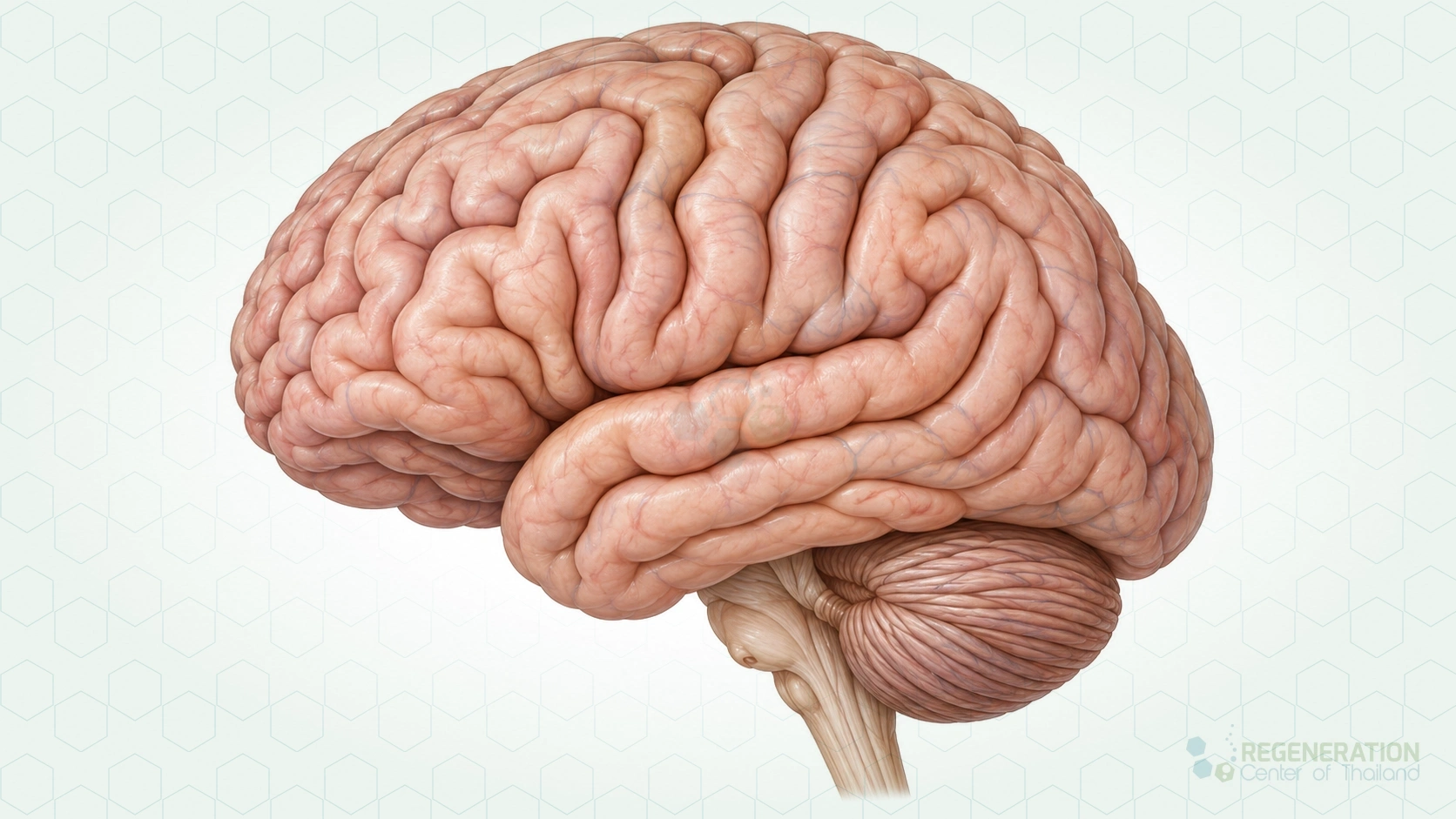
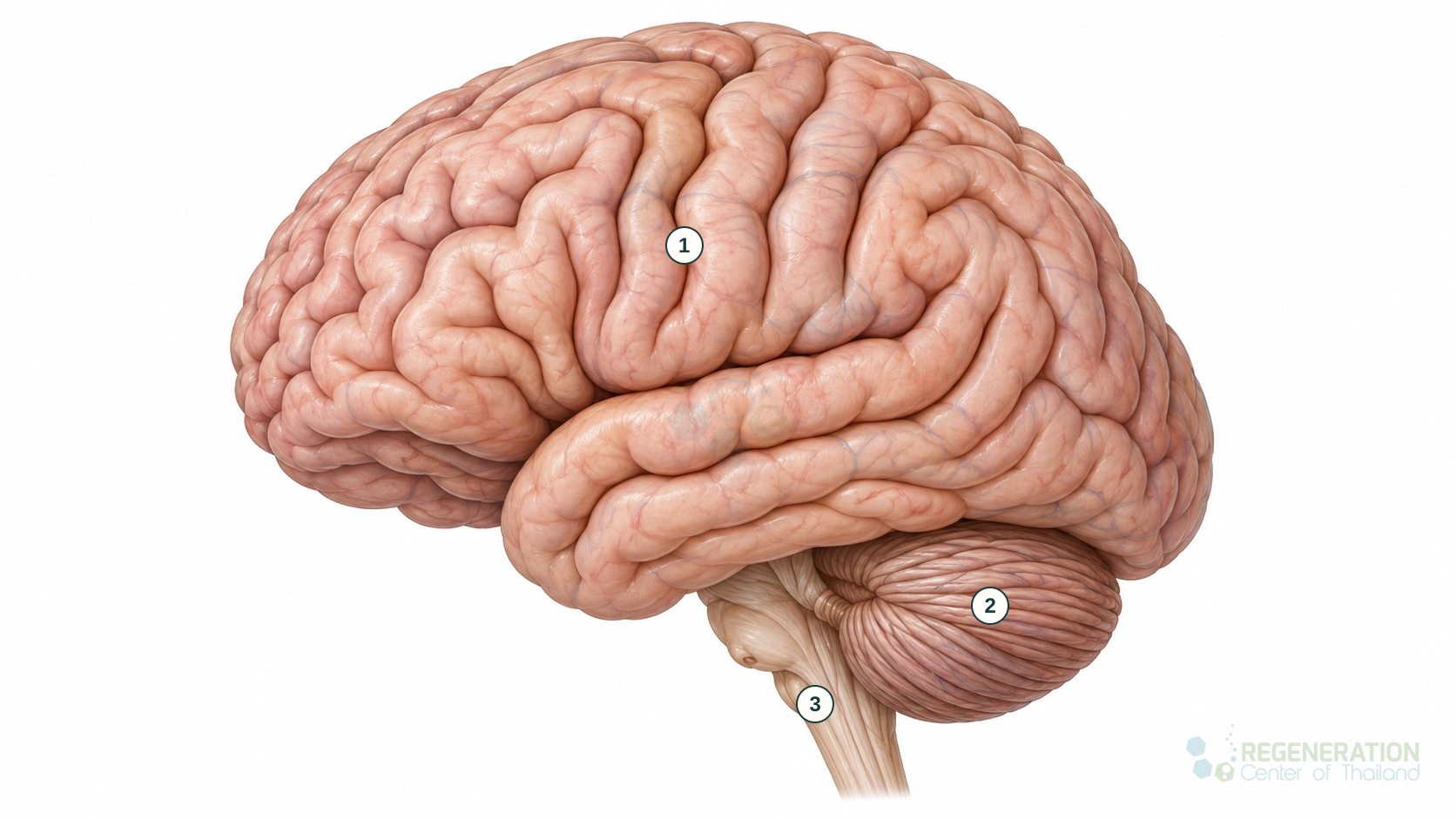
Brain anatomy
A lateral view of the cerebrum, cerebellum and brainstem.
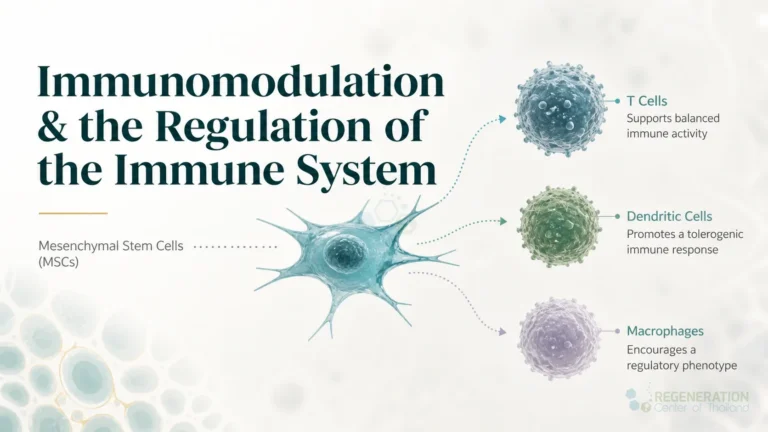
Two types of stem cells are being studied for their possible effects on immune function and blood flow, which some researchers have proposed may play a role in a subset of autistic children. Reversing hypoxia facilitates activation of self-repair mechanisms. This neural proliferation is observed after reperfusion in cerebral ischemia.
Nevertheless, to our knowledge, the use of stem cells to stimulate angiogenesis (the formation of new blood vessels) is now commonly employed in the treatment of autism. Adult Stem Cells have already been proven to be very safe, efficient, and effective in treating children suffering from Autism.[1]
Our doctors understand the benefits of functional healthcare, including autologous blood stem cells, dental pulp-derived stem cells, and fat-derived stem cells, to promote angiogenesis in numerous models of ischemia.[2]
Can Stem Cells Reverse Autism Spectrum Disorder?
The CD11b+, CD34+ fraction, which is roughly less than half of the cord blood stem cell CD34+, was shown to acquire the ability to differentiate into endothelial cells. CD34+, VEGF-R3+ cells illustrated the capability to specialize into endothelial cells and were able to extend into a 40-fold expansion. Blood stem cells are usually adequate to induce neuroregeneration. We recommend that this type of stem cell may be particularly beneficial for the treatment of autism, given the effectiveness of cord blood CD34+ cells in promoting homing and angiogenesis at sites of cerebral hypoperfusion.[3]
Challenges & Considerations when using Stem Cells for Autism Spectrum Disorder (ASD)
While stem cell-based therapy continues to be explored in selected neurodevelopmental settings, several important challenges and clinical considerations should be recognized when evaluating patients with Autism Spectrum Disorder (ASD):
ASD is a highly heterogeneous neurodevelopmental condition. Clinical presentation, developmental history, language profile, sensory features, behavioral regulation, and level of support needs can vary substantially across patients. For that reason, stem cell-based treatment is not appropriate in all cases, and response cannot be assumed or predicted uniformly.
Careful patient selection is essential. Individuals with limited supporting records, unclear diagnosis, multiple significant comorbidities, or complex neurological and medical presentations might not be good candidates for treatment at this stage. A detailed review of developmental history, prior therapies, current level of functioning, and treatment goals is required before recommendations can be made.
Associated medical and neurological conditions must also be reviewed carefully. Patients with uncontrolled seizure disorders, abnormal EEG findings of concern, active infection, significant cardiopulmonary disease, severe gastrointestinal or nutritional instability, marked immune dysfunction, known genetic or metabolic syndromes, or other serious coexisting conditions might not be appropriate candidates for the estimated treatment protocol.
Optimal cell source and protocol selection remain important considerations in each case. The Regeneration Center offers both autologous and allogeneic stem cell-based approaches, and each source and preparation method carries distinct advantages, limitations, and clinical considerations. Route of administration, dosing strategy, and treatment sequence can also vary depending on the patient’s age, baseline status, medical history, and comorbidities.
Standardization remains a challenge. Because ASD does not present uniformly and because each patient may have a different developmental profile and comorbidity burden, there is no single protocol that is appropriate for every candidate. Treatment recommendations, when offered, must therefore be individualized.
Outcome expectations should remain realistic. Stem cell-based therapy should not be viewed as a replacement for established supportive care such as behavioral therapy, speech therapy, occupational therapy, educational interventions, and developmental follow-up. Any potential response, when observed, may vary in type and degree from patient to patient, and no specific result can be guaranteed.
Cost and accessibility are also important considerations. The isolation, preparation, and administration of specialized cell-based therapies can be costly, and insurance coverage varies widely by region. Detailed cost information is provided only after the medical evaluation is completed and candidacy is determined.
Stem cell-based treatment for ASD remains an evolving area of medicine and requires careful case selection, medical oversight, and transparent discussion of potential limitations. The Stem Cell Regeneration Center does not use or offer embryonic stem cells for treatment.
At this time, we are accepting selected patients with Autism Spectrum Disorder (ASD) on a limited basis only. Because clinical presentation and medical complexity can vary substantially, all potential candidates must undergo a detailed medical screening process to establish baseline status and determine whether treatment is appropriate. For selected cases, the estimated treatment program may require approximately 8–12 days; however, the exact protocol, length of stay, and medical-related costs will depend on the individual evaluation. To begin the review process, please prepare recent medical records, including developmental assessments, neurology reports, therapy history, current medication list, EEG or brain MRI reports, if applicable, genetic or metabolic testing, if available, and recent laboratory results, and then contact us for preliminary screening.
Published Clinical Citations
[1] ^ Arber, Charles, and Meng Li. 2013. Cortical interneurons from human pluripotent stem cells: prospects for neurological and psychiatric disease. Frontiers in cellular neuroscience (March 13). doi:10.3389/fncel.2013.00010. https://www.ncbi.nlm.nih.gov/pubmed/23493959
[2] ^ Mikhailov, Anna, Alanna Fennell, Oradawan Plong-on, Thanya Sripo, Tippawan Hansakunachai, Rawiwan Roongpraiwan, Tasnawat Sombuntham, Nichara Ruangdaraganon, John B Vincent, and Pornprot Limprasert. 2014. Screening of NLGN3 and NLGN4X genes in Thai children with autism spectrum disorder. Psychiatric genetics, no. 1. doi:10.1097/YPG.0000000000000019. https://www.ncbi.nlm.nih.gov/pubmed/24362370
[3] ^ Arber, Charles, and Meng Li. 2013. Cortical interneurons from human pluripotent stem cells: prospects for neurological and psychiatric disease. Frontiers in cellular neuroscience (March 13). doi:10.3389/fncel.2013.00010. https://www.ncbi.nlm.nih.gov/pubmed/23493959