
University of Sheffield researchers have developed an experimental contact lens-shaped implant designed to help stem cells repair the surface of a damaged cornea, which may one day help some people with corneal vision loss.
Scientists hope that a new biodegradable eye implant loaded with autologous stem cells will multiply naturally, allowing your body to heal your vision. Adult stem cells help maintain and repair the tissues they come from. The cells used here are limbal stem cells, which normally renew the clear surface layer of the cornea and form only that type of tissue. The groundbreaking technology was initially designed to help treat damaged corneas.
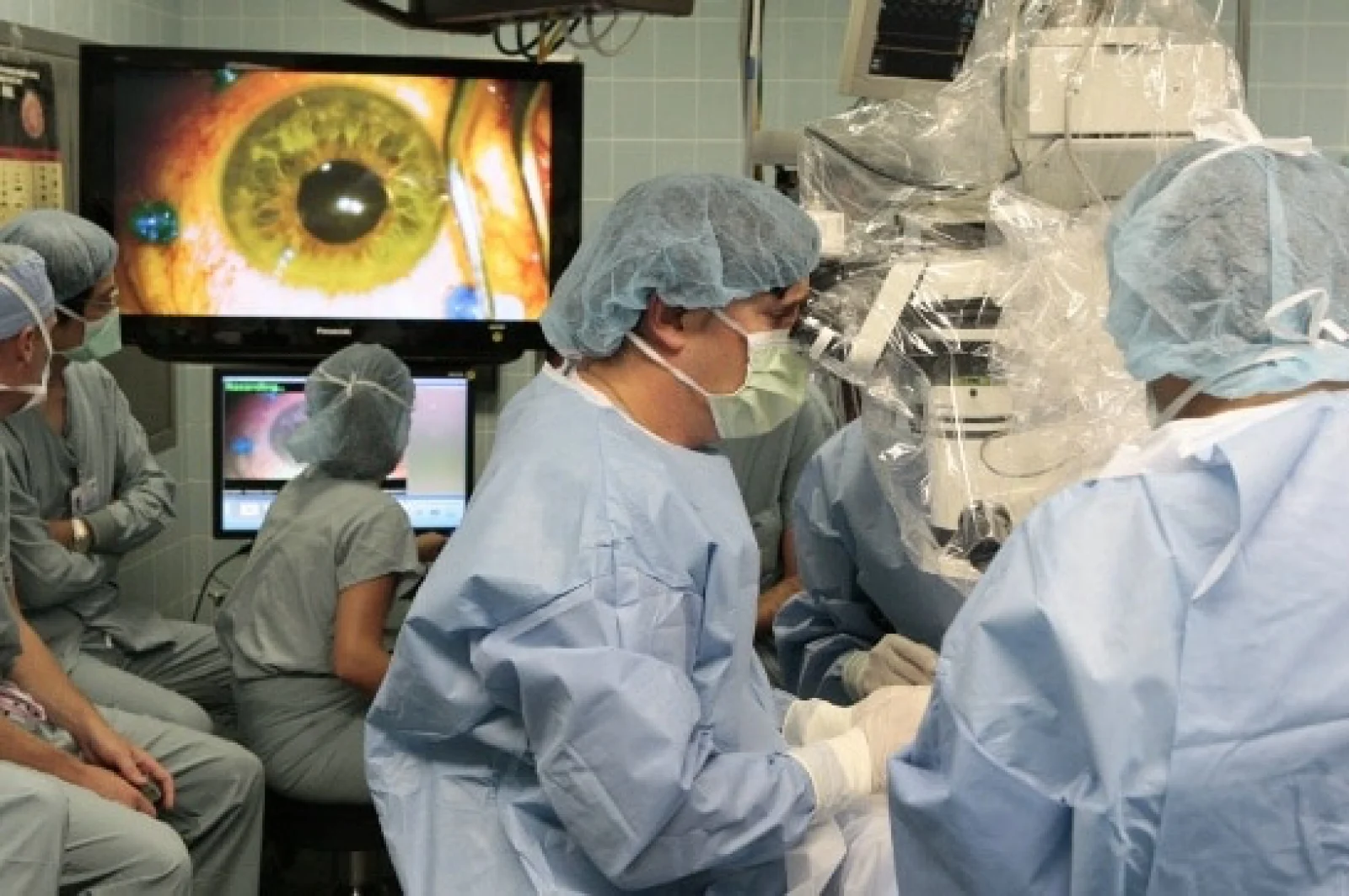
Corneal Damage is a Leading Reason for Vision Loss
Corneal damage often occurs due to injuries to the outermost surface of the eye, usually from infections, eye surgeries, hereditary corneal defects, or chronic dry eye inflammation. Symptoms of eye damage include tearing, light sensitivity, eye pain, or blurred vision.
The new implants are designed to mimic the natural structure at the edge of the cornea, where these stem cells normally live. Doctors have also developed a new way to produce the delicate membranes of the eye to help better graft helper stem cells onto the patient’s eyes, using a complex protocol that allows researchers to make a new disc from biodegradable materials that can be temporarily affixed over the blind patient’s cornea. The discs are designed to carry the patient’s own limbal stem cells, which researchers hope will multiply and gradually repair the damaged corneal surface.
Currently, standard treatments for corneal blindness include corneal transplants from donors and, when the stem cells at the edge of the cornea are lost, transplants of limbal stem cells. These limbal stem cell grafts can fail after a few years, partly because the transplanted stem cells are not well retained on the eye. A key feature of the new implants is that they contain many small pockets designed to protect and house the limbal stem cells, which may help them stay in place on the eye for longer.
To learn more about vision correction or other stem cell treatments in Thailand please contact us.